The SEC's new exemption allows tokenized securities venues to operate without full exchange designation, promoting innovation in digital trading.
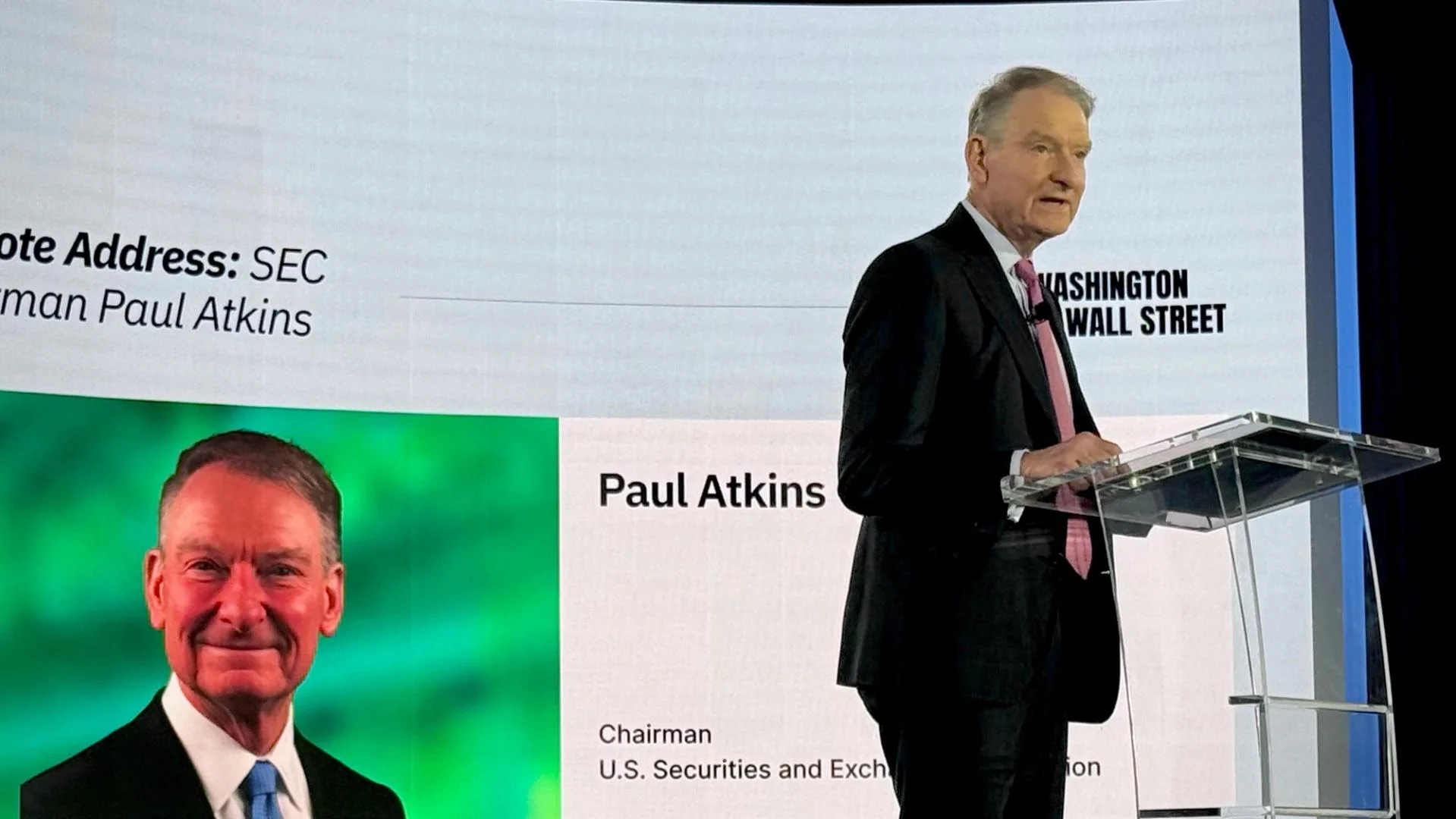
In a notable shift for digital finance, the U.S. Securities and Exchange Commission (SEC) has clarified how blockchain-based trading venues can list and trade tokenized securities. This development, announced on Thursday, introduces an "innovation exemption" that permits designated platforms—termed tokenized securities venues (TSVs)—to provide automated market makers and liquidity pools for trading tokenized securities.
The SEC’s Innovation Exemption Explained
Under this temporary exemption, which spans five years, these venues are not classified as "exchanges" under U.S. securities law. This decision highlights a significant path forward for tokenization, allowing either the issuer or a third party to manage the trading of tokenized assets, provided they adhere to specified conditions. This regulatory flexibility could encourage more entities to enter the space, creating opportunities for new business models that take advantage of blockchain's unique capabilities.
SEC Chairman Paul Atkins emphasized the agency's intention to integrate America’s capital markets into the digital age through this measure. “The innovation exemption is a significant step within our statutory authority,” he stated, aiming to streamline on-chain trading for specific tokenized stocks. But this rhetoric invites scrutiny: Does such an exemption genuinely pave the way for innovation, or does it serve more to placate an industry's growing demands for clarity while still maintaining stringent oversight?
Limitations and Exclusions
However, the exemption does not cover all types of tokenized products. The SEC has specifically excluded synthetic security tokens—derivatives that do not convey ownership of actual shares. By focusing on tokens that ensure holders retain the rights and privileges associated with traditional securities, such as receiving dividends and exercising voting rights, the SEC remains cautious. It's a fine line between fostering innovation and protecting investors from potential pitfalls associated with more speculative financial products.
This policy does come with checks. Before a TSV can tokenize another company’s securities, it must notify the issuer 30 days in advance, allowing the company to voice any objections. This requirement supports issuer protection while promoting transparency in the tokenization process. Yet, it also adds another layer of complexity; the burden of outreach may discourage some from exploring tokenization as an option.
Political Context and Influences
The political context surrounding the SEC’s decision is noteworthy, as the agency had previously paused progress on this initiative while awaiting developments on related legislation. However, following the Senate's recent inability to advance major crypto legislation, the agency has felt empowered to act independently. Atkins indicated on social media that the SEC would assert itself decisively within its existing authority to provide certainty for investors and innovators in the tech space. This turn of events suggests a shift in strategy, potentially paving the way for future SEC initiatives that could both challenge and support the rapidly evolving financial landscape.
Market Potential and Investor Interest
Tokenization represents a pivotal area of exploration for major players in finance. Analysts from Citi have projected that the market for tokenized assets could grow to an impressive $5.5 trillion by 2030, indicating serious engagement from global asset managers and banks. These entities are investing in blockchain technology, anticipating benefits such as enhanced liquidity, faster settlement processes, and reduced operational costs. If you're working in this space, keeping your finger on the pulse of these developments could present significant opportunities as this market continues to mature.
Simultaneously, the SEC is keen on producing durable rulemaking to ensure the longevity and viability of on-chain trading markets. Immediate frameworks must evolve alongside ongoing developments in capital markets, and the innovation exemption serves as a temporary measure that may inform future regulations. This creates a tense balance—how much will the SEC allow for innovation without crossing into the murky waters of unregulated speculation?
Future Directions and Broader Reforms
As tokenized securities trading gains traction, the SEC is also pursuing broader reforms concerning crypto market structures. In recent months, the agency has introduced proposals aimed at making regulatory pathways for cryptocurrencies clearer, including changes to transfer-agent rules that embrace blockchain-based ownership recording. These measures aim to enhance compliance and transparency, but they also signal the beginning of a larger regulatory reckoning that could redefine how digital assets are perceived and managed.
Looking ahead, the SEC has plans for a roundtable discussing around-the-clock trading—a feature drawn from the crypto industry—potentially transforming traditional trading paradigms. The full extent of forthcoming regulatory frameworks remains uncertain, but the agency appears poised to explore the limits of its authority to support the burgeoning tokenized securities market. What this means for you as a stakeholder or observer is a period of adjustment; regulations will likely shape how effectively firms can operate within these new parameters.
Implications of the Innovation Exemption
There’s no question that this initial move by the SEC is closely watched by both traditional financial sectors and the burgeoning digital asset community. As engagement with tokenized securities deepens, the implications of this innovation exemption could significantly shape American finance. The question now is: will this be the springboard for a new era of financial innovation or just temporary relief in a landscape still fraught with uncertainty? And this is the part most people overlook. Only time will tell.



Discussion
Sign in to join the discussion.