Meta's upcoming Luna smart glasses ditch the camera to address privacy concerns, featuring advanced audio capabilities and direct access to Meta AI.
Meta’s New Smart Glasses: An Overview
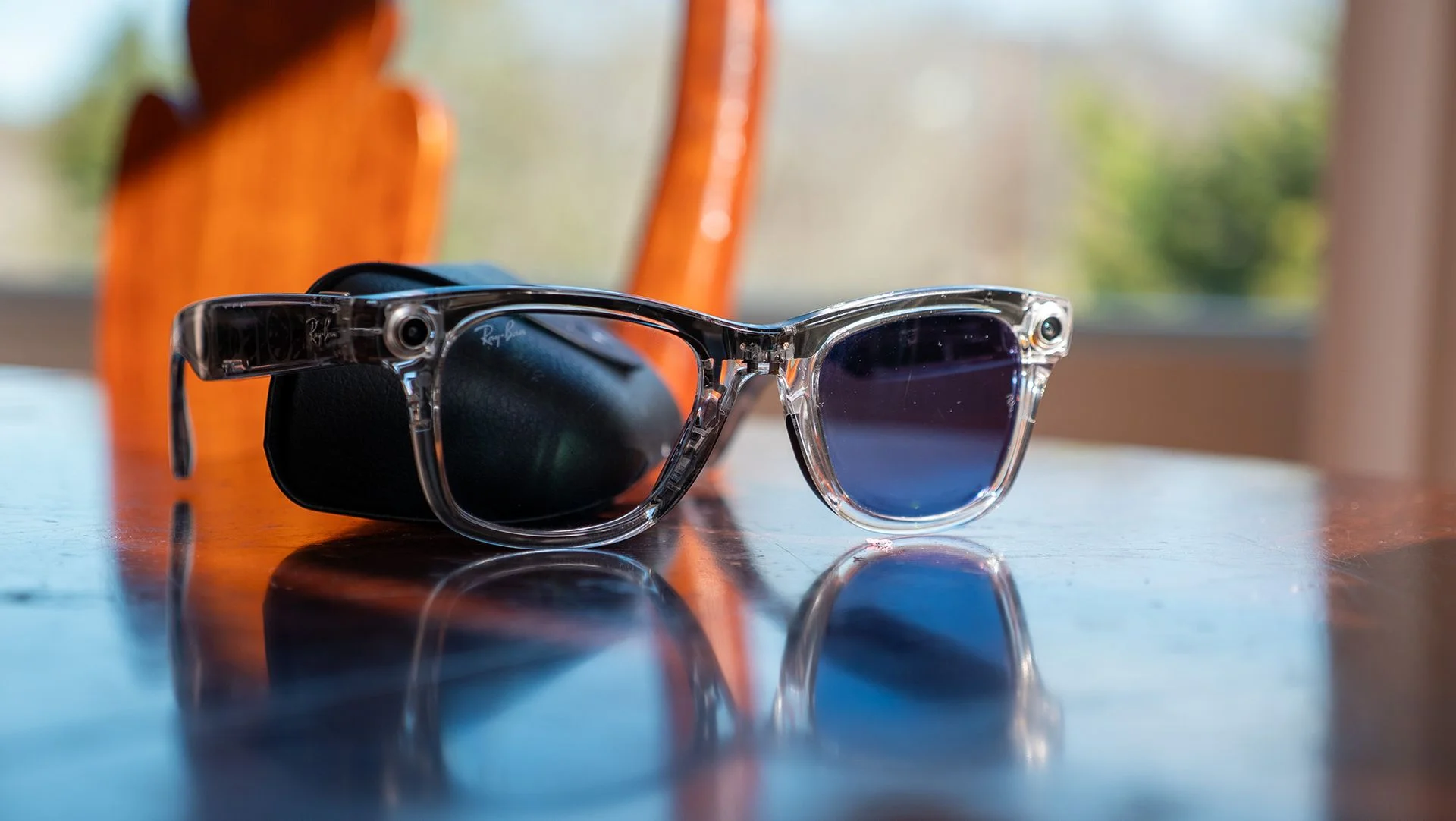
Meta is poised to introduce its latest smart glasses, named Luna. Unlike many of its competitors, Luna notably forgoes the inclusion of a camera—addressing a key privacy concern that has long plagued wearable tech. Speculation suggests that these camera-free glasses could launch as early as next month, possibly debuting at the upcoming Connect developer conference. The decision to eliminate the camera is particularly significant in light of ongoing public anxiety surrounding privacy and surveillance.
The Privacy Dilemma in Wearable Tech
Smart glasses equipped with cameras have faced considerable skepticism recently over privacy issues. Concerns about unauthorized recording or unwelcome surveillance have prompted companies like Meta to implement controls, such as an LED indicator to signal when the camera is active. However, even these measures haven't completely mitigated the public's wariness. Many users remain uncomfortable with the idea of being recorded without their knowledge, which has led to broader discussions about consent and surveillance in public spaces.
This environment of mistrust is a reaction not just to individual products but reflects a larger cultural apprehension about privacy in an age where surveillance technology is ubiquitous. Devices that were initially marketed as slick lifestyle enhancements are often viewed with suspicion. In this context, Meta's Luna attempts to carve out a niche that feels safer and more palatable to consumers. Removing the camera could signify a strategy aimed squarely at addressing this discomfort head-on.
Design and User Appeal
The Luna glasses promise a shift away from the surveillance narrative, presenting an alternative for users who are apprehensive about privacy infringements. Reports indicate that Luna will come in two distinct styles, labeled Clubmaster and Burbank, both emphasizing a more conventional glasses aesthetic. This design choice aims to appeal to a broader audience that prefers to avoid the bulk associated with camera-equipped devices. In an age where styling matters nearly as much as functionality, the move to prioritize design might attract a segment of consumers who have so far opted out of smart eyewear.
It’s worth considering that fashion plays an essential role in the acceptance of tech products. If you're working in this space, you’ll need to recognize that aesthetics can make a significant difference in the user base. After all, if tech products look good and feel comfortable, consumers are more likely to adopt them.
Function Over Form
Even without a camera, Luna is packed with functionality. The glasses will feature six strategically positioned microphones and six speakers that direct sound toward the user’s ears. This audio arrangement is designed for seamless interaction with Meta's AI chatbot, allowing users to engage without needing to reach for their smartphones. A dedicated button on the glasses will provide quick access to the AI, enhancing user convenience.
This highlights a trend where smart technologies are increasingly focusing on user experience rather than just flashy features. The inclusion of AI in Luna positions it against more traditional devices, making the interaction feel more intuitive. One could argue this is a positive shift—ensuring that users aren't just wearing tech for the sake of wearing tech, but actually finding practical value in it.
Looking Ahead: Meta’s Other Initiatives
Luna isn't the only initiative underway at Meta. The company is also developing augmented reality glasses known as Phoenix, which are expected to arrive in 2027. With Phoenix, Meta aims to innovate how users connect in virtual environments by offering features like virtual workspaces and large screens for media consumption. However, this ambitious project remains years from release, and one has to question whether the market for augmented reality will evolve smoothly over such a long horizon.
The enormity of this task shouldn't be overlooked. Developing sophisticated augmented reality products requires not just advanced technology but also a receptive public willing to embrace the change. Meta's efforts with both Luna and Phoenix reflect an understanding of the necessity for phased, user-focused product rollouts—implementing feedback from one product to inform developments in the next.
Implications and Future Outlook
The push towards camera-free smart glasses indicates Meta's responsiveness to consumer feedback on privacy issues, presenting users with a viable alternative that focuses on comfort while retaining essential functionality. As tech enthusiasts await the official unveiling of Luna, it will be interesting to see how these glasses will reshape how we think about smart technology in our daily lives. What this means for you, the consumer, is that a shift towards privacy-conscious devices could lead to broader acceptance of tech wearables.
Looking ahead, the success of Luna might spark a trend, encouraging other companies to reconsider their own designs. If Meta can pull off a product that combines functionality and comfort without invasive features, competitors may follow suit, potentially leading to an industry standard that prioritizes user privacy. This could signify a turning point for wearable technology, transforming it into something that aligns better with consumer values around personal security.
And this is the part most people overlook: the role of public sentiment in shaping tech adoption. Companies won't only need to innovate; they'll need to persuade users that the innovations respect their privacy and enhance their lifestyle rather than infringe upon it.


Discussion
Sign in to join the discussion.