The U.S. House tax committee has advanced a crypto tax bill, clarifying tax treatment for small transactions and defining income recognition for digital assets.
U.S. House Moves on Crypto Tax Legislation
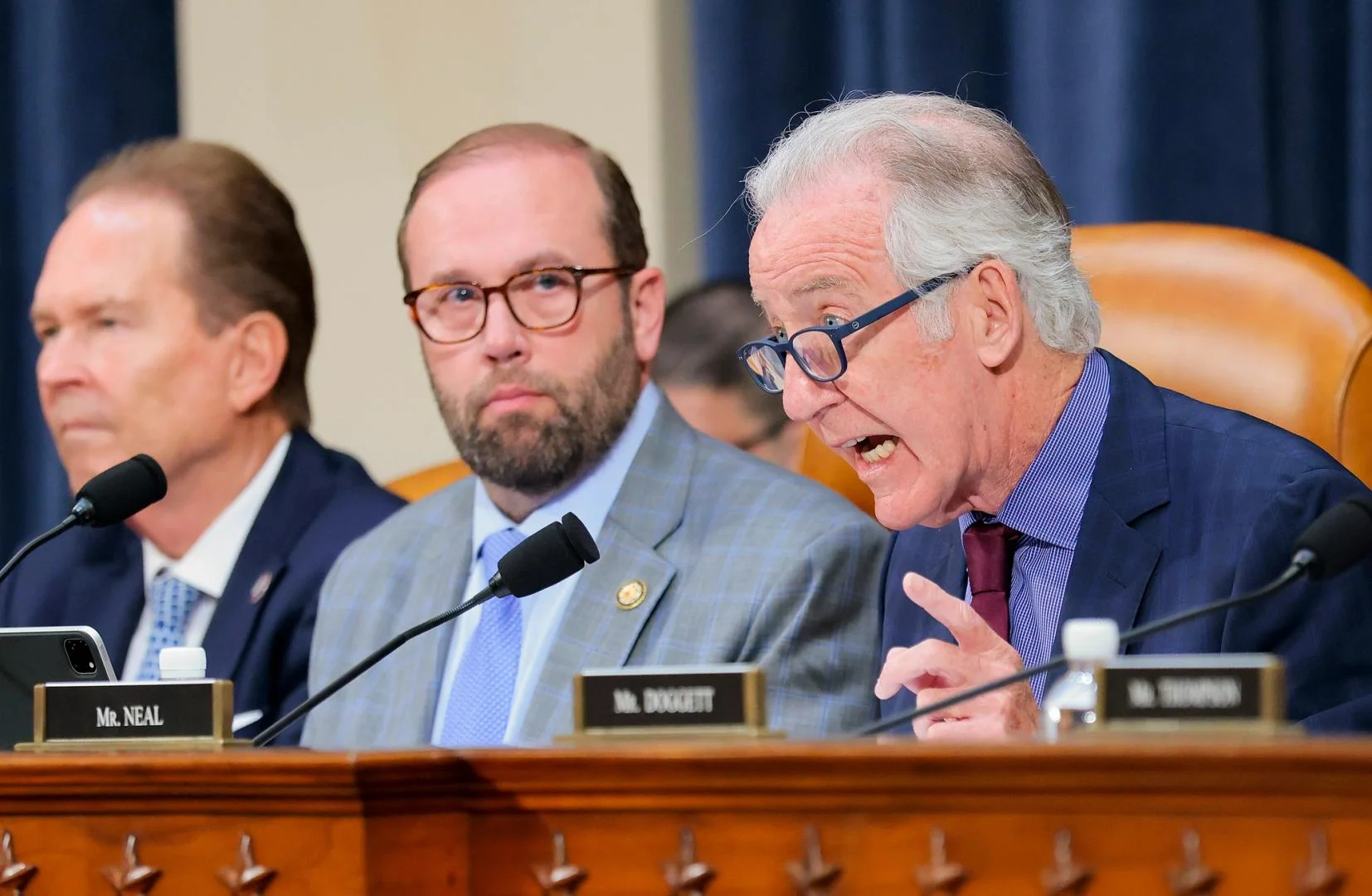
After a disappointing outcome related to a key market structure bill, the U.S. House of Representatives' tax committee has taken decisive action to address the tax implications for cryptocurrency transactions. In a recent markup session, the committee voted 38-5 in favor of the Digital Asset Tax Certainty Act, indicating strong bipartisan support for this initiative. This overwhelming vote reflects a growing recognition within Congress about the complexities of digital asset transactions and the need for a clearer regulatory framework.
Addressing De Minimis Transactions
One of the bill's central provisions tackles de minimis transactions—small payments that, under current regulations, necessitate burdensome tax accounting. Existing tax laws require individuals to report even the smallest cryptocurrency transactions, complicating everyday use. The new legislation aims to establish a threshold of $10 for these minor transactions, markedly lower than earlier proposals. This change could significantly simplify the tax obligations surrounding trivial purchases. As Committee Chairman Jason Smith pointed out, the compliance issues arising from even a simple coffee purchase highlight the absurdity of the current system. Simplifying this aspect could encourage more people to engage in digital transactions.
Reporting Requirements Clarified
The legislation also provides clarity on how cryptocurrency income should be reported, addressing various activities including mining, staking, transfers, and the specific treatment of stablecoins and transaction fees. This alignment with traditional financial assets is pivotal, as it reduces confusion and promotes a more cohesive regulatory environment. Such guidelines are essential for legitimizing cryptocurrencies within the broader financial ecosystem. After all, if you’re investing or transacting using crypto, you ought to understand how those actions will impact your tax obligations.
Bipartisan Momentum in a Political Year
The timing of this legislation is significant. With only a few weeks remaining until the November elections, the momentum generated by this proposed bill could pave the way for more comprehensive legislative efforts regarding digital assets. Advocates must capitalize on the current bipartisan support; the recent failure of the Digital Asset Market Clarity Act in the Senate illustrates that progress in this area is far from guaranteed. Political dynamics frequently shift, making it crucial to act while there's still momentum.
Critiques and Concerns
Not everyone is on board with prioritizing cryptocurrency within the legislative agenda. Some representatives express skepticism about why an industry often associated with high-profile political benefactors is receiving such swift attention. Representative Lloyd Doggett voiced concerns that focusing on providing tax breaks for cryptocurrency could overshadow other pressing needs that actual taxpayers face. This questioning points to a broader debate about the government’s priorities in allocating legislative resources and which industries deserve urgent attention.
Supporters Advocate for Simplification
On the other side of the aisle, supporters of the bill argue that establishing clear tax rules is necessary for the future of digital assets. Representative Steven Horsford emphasized the need for basic tax rules for digital assets, indicating that simplifying tax obligations could legitimimize cryptocurrencies in mainstream finance. If you’re working in this space, simplifying daily transactions, including those involving stablecoins and small network fees, could enhance consumer trust and participation in the crypto economy.
The Growing Importance of Cryptocurrency
Despite some partisan tensions surrounding the bill, the committee's approval reveals a collective acknowledgment of cryptocurrency's increasing relevance in today's economy. The rapid adoption of digital assets necessitates clear legislative guidelines to ensure their growth and integration into everyday financial transactions. It's not just a trend; the trajectory suggests that cryptocurrencies will likely play a substantial role in future finance.
Future Outlook and Implications
Observers in the crypto space are keenly watching how this bill will progress within the broader House framework. Any potential modifications or additional support must be monitored, particularly as the end of the congressional session approaches. A clearer regulatory framework could provide a firmer foundation for the crypto community, boosting consumer confidence and potentially leading to even broader adoption of digital currencies.
What's at stake is more than just a legislative tweak; it's about setting a precedent. If successful, this bill could influence how digital currencies are perceived, moving them from the fringes to the mainstream. With the ongoing discussions and developments, the future of cryptocurrency taxation looks to be at a pivotal crossroads, and stakeholders across the spectrum should prepare for the implications it may bring.



Discussion
Sign in to join the discussion.