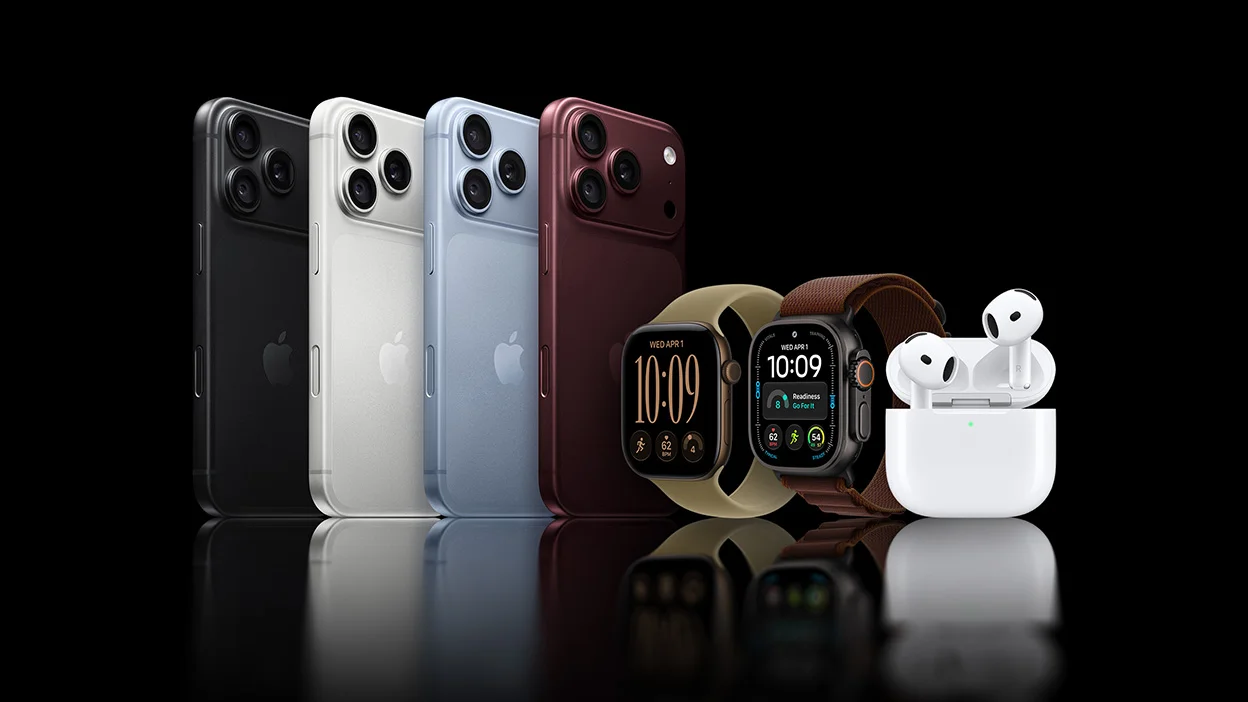
New iPhone 18 Pro models will need a software update right out of the box, alongside the Apple Watch Series 12 and Ultra 4.
Mandatory Software Updates: A Standard Practice
When consumers pick up their shiny new iPhone 18 Pro or iPhone 18 Pro Max, they’ll find themselves greeted with an expectation that’s become all too familiar: a software update, which is now mandatory during setup. This isn’t merely a minor inconvenience, though; it’s indicative of a broader trend across the tech landscape where new devices launch with software that’s often out of date. Recognizing this, Apple has rolled out similar updates for the Apple Watch Series 12 and the Apple Watch Ultra 4.
As technology advances, the complexities of software integration grow as well. Users often overlook the importance of these updates, viewing them as mere speed bumps on the road to usage. Yet these updates are not just about performance enhancements; they're often security patches or feature unlocks that can't be ignored. There's a lesson here: waiting to update can sometimes mean missing out on critical functionalities from day one.
Understanding the iOS and watchOS Updates
The iPhone 18 Pro and Pro Max will ship with iOS 27, initially in versions 24A427 and 24A8428. However, users will need to secure the final launch version 24A437 to have access to the full suite of features. Apple’s habit of launching products with software that requires immediate updates isn't unusual, but it raises questions about testing protocols and consumer readiness. Why aren’t products shipping with the latest version from the start?
If you’re in the market for an Apple Watch, the Series 12 and Ultra 4 launch with watchOS 27, starting at version 24R359 while also needing the 24R364 update post-launch. This expectation of an update holds implications, especially for users unfamiliar with technology. New buyers might be overwhelmed by the process, wondering if they’ve done something wrong when their new devices prompt them for an update right out of the box.
The Role of Firmware Updates for AirPods
Meanwhile, AirPods 5 also join in with a firmware update that will be delivered wirelessly at launch. Recently, Apple released firmware version 9A350 for AirPods, ensuring compatibility with the features of iOS 27. The procedure for updating AirPods typically requires little user intervention, but it does reinforce a reality: Apple’s ecosystem is tightly woven, with each device dependent on the others to function optimally. If you're working in this space, you recognize that updating tends to be a critical part of the user experience.
These firmware updates are crucial for maintaining connectivity and ensuring all features work as advertised. As newer technologies—like spatial audio or improved mic quality—roll out, users had better have their devices ready to keep up. Missing these updates might not just hinder performance; it could lead to a frustrating user experience, one that could sour the initial joy of unboxing a new product.
Implications of Day One Updates
So, why does this model of launch-day updates matter? For consumers, it can mean adjusting to an unexpected hurdle during what’s meant to be an exciting experience. For the industry, it prompts a broader conversation around product readiness. Are manufacturers really prepared to release their products, or are they relying on users to handle the final touches post-launch?
Moreover, Apple’s approach underscores a significant truth in technology: the motto of "ship today, patch tomorrow" holds sway. Many companies adopt this methodology, launching products that are only partially complete and relying on updates to rectify issues. It’s an aspect of modern tech markets that invites skepticism: how much of this is simply moving too fast and prioritizing release dates over the user experience?
(And this is the part most people overlook) — while updates can fix issues, they can also introduce new ones. The iterative process of software development tends to foster bugs that are often resolved in subsequent updates, which can frustrate users who expect a polished experience straight out of the box.
What This Means for Future Products
Looking ahead, you'll want to consider how this trend affects the durability of new tech launches. Will companies strive for more seamless transitions between versions, or will the launch-day update become a standard expectation for consumers? There's a clear advantage to having cutting-edge updates at the ready, but it places the onus on users to stay informed.
This practice might also alter how tech forums and communities operate. As people engage in discussions surrounding new products, the dialogue will likely shift from "How does it perform?" to "What’s the first software I need to download for it to work effectively?” With updates becoming part of the experience, manufacturers may have to rethink their launch strategies, opting for beta programs or other forms of pre-release testing to enhance product maturity at launch.
In short, consumers deserve a smooth experience. As companies continue enhancing hardware, the software landscape must reflect those changes—without placing the burden of fixes on end users. If companies fail to manage these expectations adequately, frustrating experiences may well lead to consumers seeking alternatives, as nothing has the power to influence loyalty quite like the early user experience.
This article, "iPhone 18 Pro Models Require Immediate Update on Launch Day" first appeared on MacRumors.com
Discuss this article in our forums

Discussion
Sign in to join the discussion.