Apple TV leverages the iPhone 18 Pro to transform its Dodgers vs. Giants broadcast with unique camera angles and immersive stadium visuals.
iPhone 18 Pro Takes Center Stage at Dodger Stadium
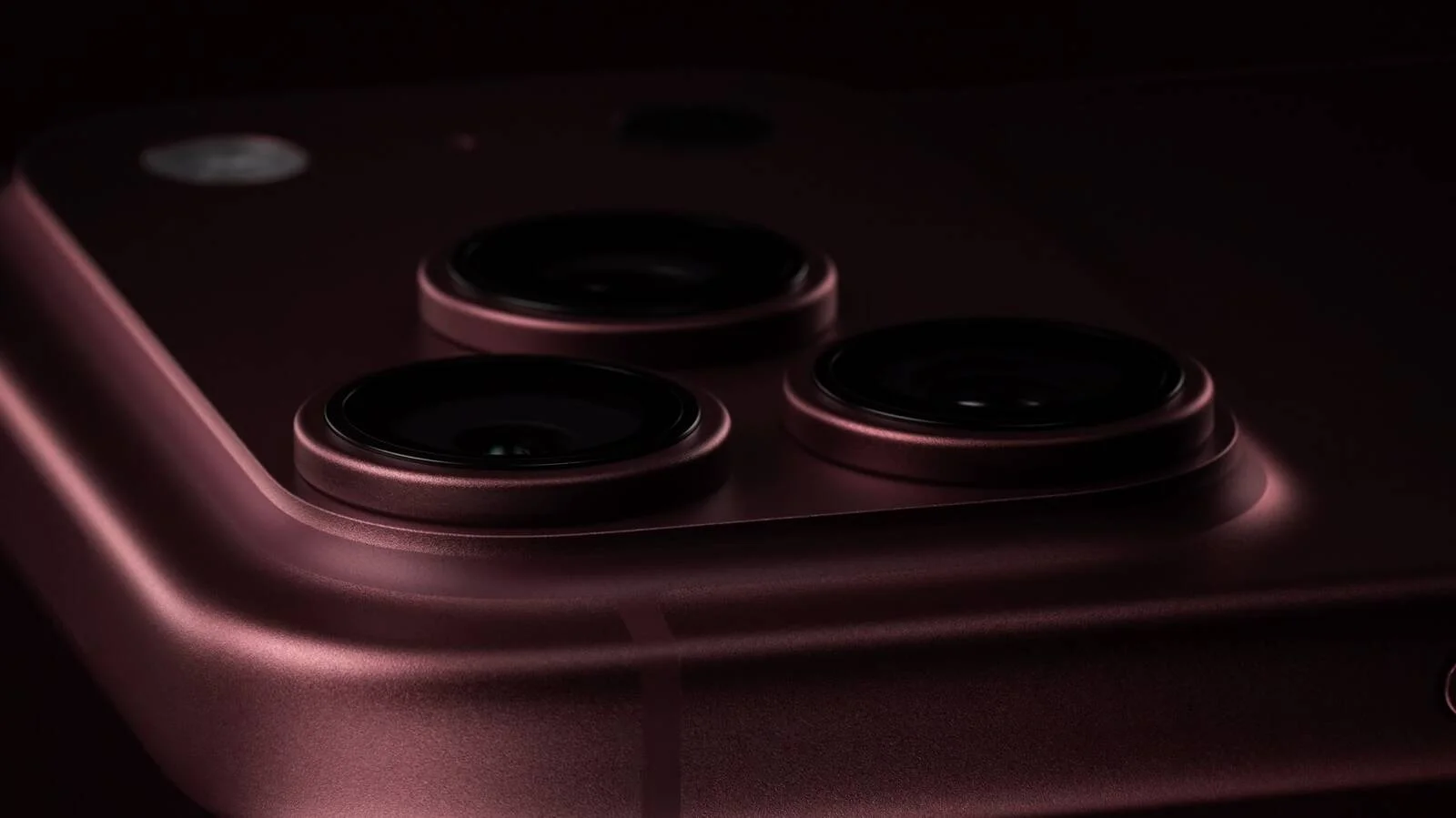
This Friday, Apple TV will integrate the latest iPhone 18 Pro into its broadcast of the Los Angeles Dodgers facing off against the San Francisco Giants. This innovative approach promises to deliver unique coverage from Dodger Stadium. Apple continues to weave its hardware into the sports fabric in a way that transcends traditional broadcasting methods. By integrating the iPhone 18 Pro in this manner, Apple is making a calculated move to redefine how fans experience sports from home. The stakes are high, both in terms of audience engagement and technological execution.
Capturing Gameplay Like Never Before
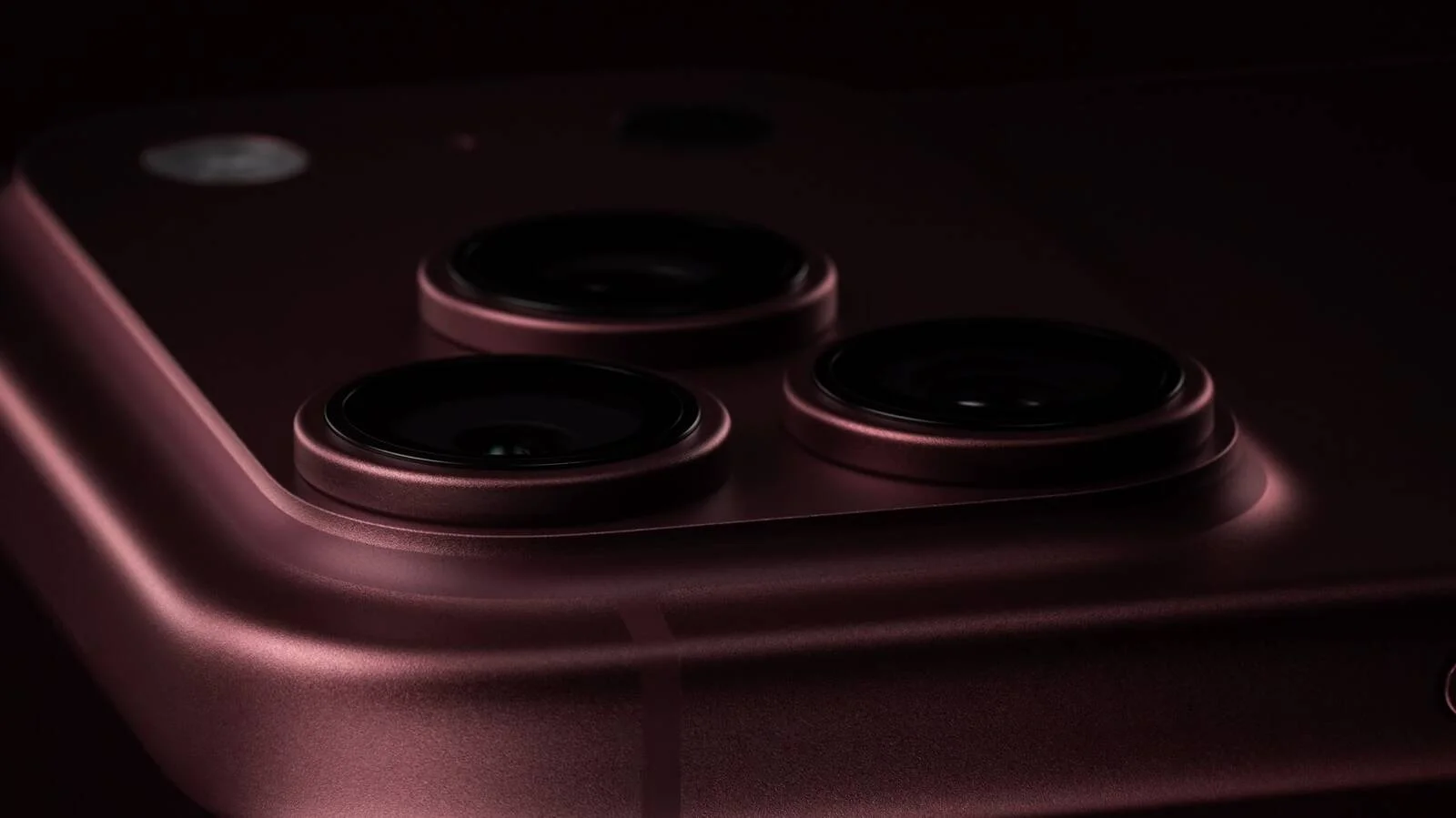
Apple plans to deploy over a dozen iPhone 18 Pro devices throughout the stadium, set to capture dynamic gameplay and scenic moments. Viewers can expect a fresh perspective on player introductions, batting practice, and the overall stadium atmosphere, all thanks to the compact design of the iPhones, which can access angles traditional cameras can't reach. This distributed approach allows for a bandwidth of viewpoints that will enhance storytelling during the game. Imagine catchers’ pitches or batters’ swings, captured in real time from unprecedented angles—that's the kind of intimacy these miniaturized professional tools can offer.
Streaming companies and major sports leagues are increasingly investing in technology to provide more engaging viewer experiences. Apple’s use of the iPhone in this context is particularly interesting; the device isn't just a communication tool but a powerful imaging and broadcasting device. The iPhone 18 Pro boasts advanced camera capabilities including improved low-light performance and cinematic mode, which should be utilized effectively to capture the essence of a night game. It's a paradigm shift, inviting spectators into a multi-dimensional experience that feels intensely closer to being in the stands.
Building on Past Success
This isn't Apple's first foray into sports broadcasting with iPhones; last year, four iPhone 17 Pro devices were used at Fenway Park during an Apple TV broadcast of the Boston Red Sox versus the Detroit Tigers. One of those iPhones even earned a place in the National Baseball Hall of Fame. That prestigious nod elevated the narrative around how technology can produce not only entertainment but also a piece of sports history.
In 2022, when Apple made a similar integration with the iPhone 17 Pro, it set the stage for exploring the boundaries of how sports coverage could evolve. Fans took to social media to express their enjoyment and critique, indicating a strong appetite for these explorations. This year, with the iPhone 18 Pro’s improved features, expectations are Set even higher. Apple's decision to push boundaries in this format reflects a growing trend seen across various sports leagues, including partnerships with tech firms to create augmented experiences for fans at home.
The precedent has been set and the feedback loop is constantly expanding. If you're working in this space, you can see the future of broadcasting is going to hinge heavily on mobile technology. This isn't just about watching a game; it's about curating experiences around it. With every iteration of the iPhone, the relationship between smartphones and live sports continues to deepen, reflecting how intertwined our digital lives are with traditional pastimes.
Fans can catch the Dodgers versus Giants matchup this Friday at 7 p.m. Pacific Time, as part of Apple TV's ongoing weekly MLB Friday Night Baseball series, available without extra fees for subscribers. The availability without extra costs is an important strategy for Apple to attract more viewers and broaden its subscriber base. As major tech companies navigate an increasingly competitive streaming environment, this tactic seems designed not just to entertain but to build community around shared viewing experiences.
Implications for the Future of Sports Broadcasting
The implications here extend beyond just the locale of Dodger Stadium. What Apple is attempting to do reflects a broader shift in sports broadcasting that could very well set a precedent for the industry. With smartphone technology continually advancing, the ability for these devices to capture high-quality video may redefine how broadcasts are created and consumed. Expect to see other tech giants closely monitoring this event.
Brands with historical bases in film and photography could take a cue from Apple’s approach. Imagine what’s possible when competitive teams start integrating similar strategies using their own technologies. And yet, there’s a challenge here too: while the technology is certainly impressive, the reliance on smartphones raises questions about regulatory standards, broadcast rights, and the overall role of traditional camera operators. Will they be pushed out or will their roles evolve?
As digital consumption increases, content creators will need to address these questions head-on. This trend isn't just the latest gimmick; it signals a shift in how we’ll view and interact with the sports we love. Stay tuned. This is just the beginning.

Discussion
Sign in to join the discussion.