From hesitant beginner to contributing developer, my rOpenSci experience has opened doors in R package creation and community engagement.
My introduction to rOpenSci was unexpected but serendipitous, coming during a bird conference in 2023. While chatting with fellow ornithologist Steffi LaZerte, she encouraged me to apply for the rOpenSci Champions program, highlighting my keen interest in R package development. Despite my doubts about being “qualified” to create an R package, Steffi reassured me with a simple question: “Can you write functions in R?” With my affirmative answer, she set me on the path to applying for the 2024 cohort. A few months later, I was among the fortunate 20 participants from across the globe, an achievement that felt as thrilling as receiving my PhD admission.
Understanding rOpenSci and Its Impact
rOpenSci stands as a vital community in the open science movement, promoting transparency, collaboration, and reproducibility in research. At its core, the aim is to empower scientists—like me—to share their findings and tools freely, thus allowing anyone to contribute to scientific knowledge. This community has facilitated the growth of numerous packages that serve various scientific fields. But beyond just software development, rOpenSci focuses on nurturing a culture of engagement, getting scientists more involved in the use and creation of accessible tools, which can ultimately accelerate innovation.
Developing the bbsTaiwan R Package
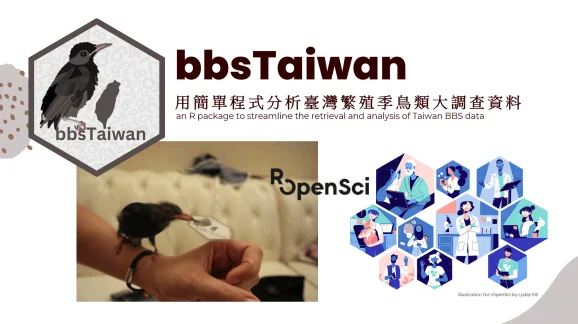
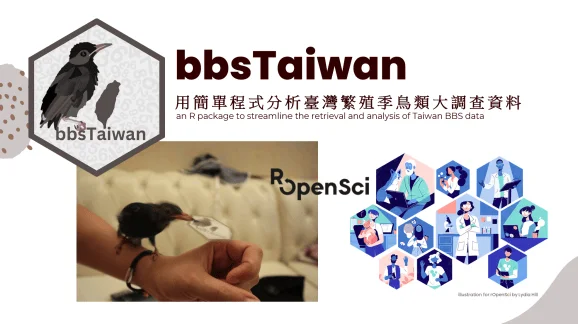
As a long-time R user, I've always been passionate about its potential to advance open science initiatives. My project, titled “bbsTaiwan,” addresses a significant hurdle posed by the Breeding Bird Survey (BBS) dataset of Taiwan. Although the data is publicly accessible via the Global Biodiversity Information Facility, it’s formatted in a way that necessitates extensive wrangling before it’s suitable for analytical purposes. This challenge is not unique to Taiwan; similar systems typically encounter data formatting issues that hinder accessibility. The bbsTaiwan package not only simplifies data manipulation for potential users but also serves as a valuable resource for students and researchers working on ecological projects. It represents more than just a coding endeavor for me; it’s my way of giving back to Taiwan, showcasing my dedication and affection for my homeland. Each function and feature was designed with the intent to support others, enhancing their research capabilities while shedding light on the biodiversity present in Taiwan.
The Mentor Experience
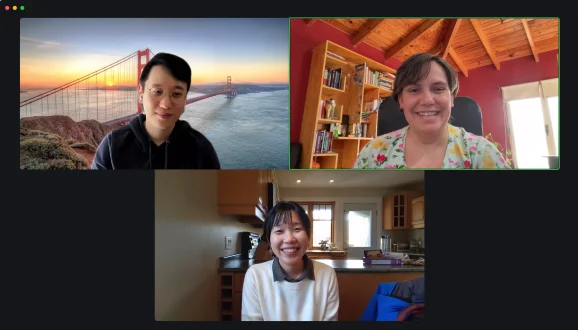
One of the highlights of the Champions program was working with my mentor, Eunseop Kim. His patience and support proved invaluable throughout my development journey. With a rich background in statistics and extensive expertise in R package creation, he guided me while allowing me the freedom to explore my project’s direction. This mentorship dynamic is essential in scientific communities, where collaboration often leads to richer outcomes. His insights into package design and usability significantly enriched my understanding of what makes a package user-friendly. One key lesson I learned from him—one that resonates deeply with me to this day—was to "be kind." Kindness fosters collaborative environments and enhances user experiences, making tools that others genuinely appreciate. This principle applies not just to project development but to all interactions in the scientific community.
Opening Doors Through rOpenSci
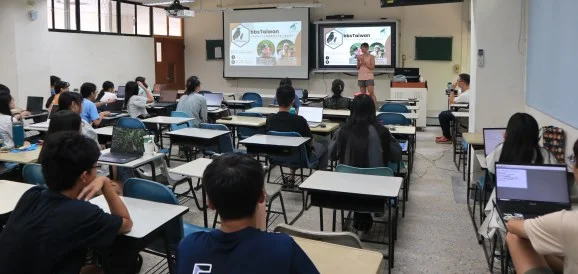
The rOpenSci Champions program did more than just introduce me to package development; it created pathways for future opportunities. My time there led to being selected as an “Opportunity Scholar” for posit::conf(2024), where I had the chance to network with other programmers and draw inspiration from various R applications. Networking is often seen as a peripheral benefit of such programs, but it can significantly enhance one’s career trajectory. Post-program, I had the opportunity to share my journey during an rOpenSci Community Call titled “From Novice to Contributor: Making and Supporting First-Time Contributions to FOSS,” allowing me to give back to the community that supported my growth. That experience underscored the importance of presence in these networks—your voice matters, and sharing your journey can inspire others in similar positions.
Moreover, with backing from the Natural Sciences and Engineering Research Council of Canada and the R Consortium, I embarked on my second R package, birdnetTools, collaborating with the prestigious Cornell Lab of Ornithology. This was truly a dream realized, and all of this stems from my participation in rOpenSci's initiative a few years earlier. This experience brought to light the multiplicative impact that such programs can have, not only on individual careers but also on the broader scientific community.
My journey with rOpenSci continues to unfold, and I remain grateful for the community that fosters innovation and connection. Each step has reinforced the idea that collaboration and shared knowledge are powerful tools in research.
Implications and Future Outlook
If you're working in this space, the implications of rOpenSci and similar initiatives run deep. Not only do they enhance data accessibility and foster innovation, but they also create new networks that can transform scientific inquiry. As more scientists embrace open-source principles, we may see a shift in how research is conducted, focusing more on collaboration than competition. The call for open science is growing louder, and programs like rOpenSci are responding effectively, inviting a new generation of contributors to engage actively with research.
The future of tools like the bbsTaiwan package remains promising. As ecological research evolves, there's potential for these packages to both adapt and expand, incorporating new data sources and refining user interfaces. These developments could significantly change how researchers prepare for and conduct ecological studies, making analysis faster and more reliable. In this ever-connected world of scientific inquiry, fostering these open approaches is more significant than it looks — they democratize knowledge while paving the way for advancements that may tackle some of the pressing challenges in science today.
R-bloggers.com offers daily e-mail updates about R news and tutorials about learning R and many other topics. Click here if you're looking to post or find an R/data-science job.
Want to share your content on R-bloggers? click here if you have a blog, or here if you don't.



Discussion
Sign in to join the discussion.