Android 17 QPR2 Beta 5 is now available for Pixel testers, tackling critical issues like unexpected reboots and Bluetooth bugs as it nears its stable release.
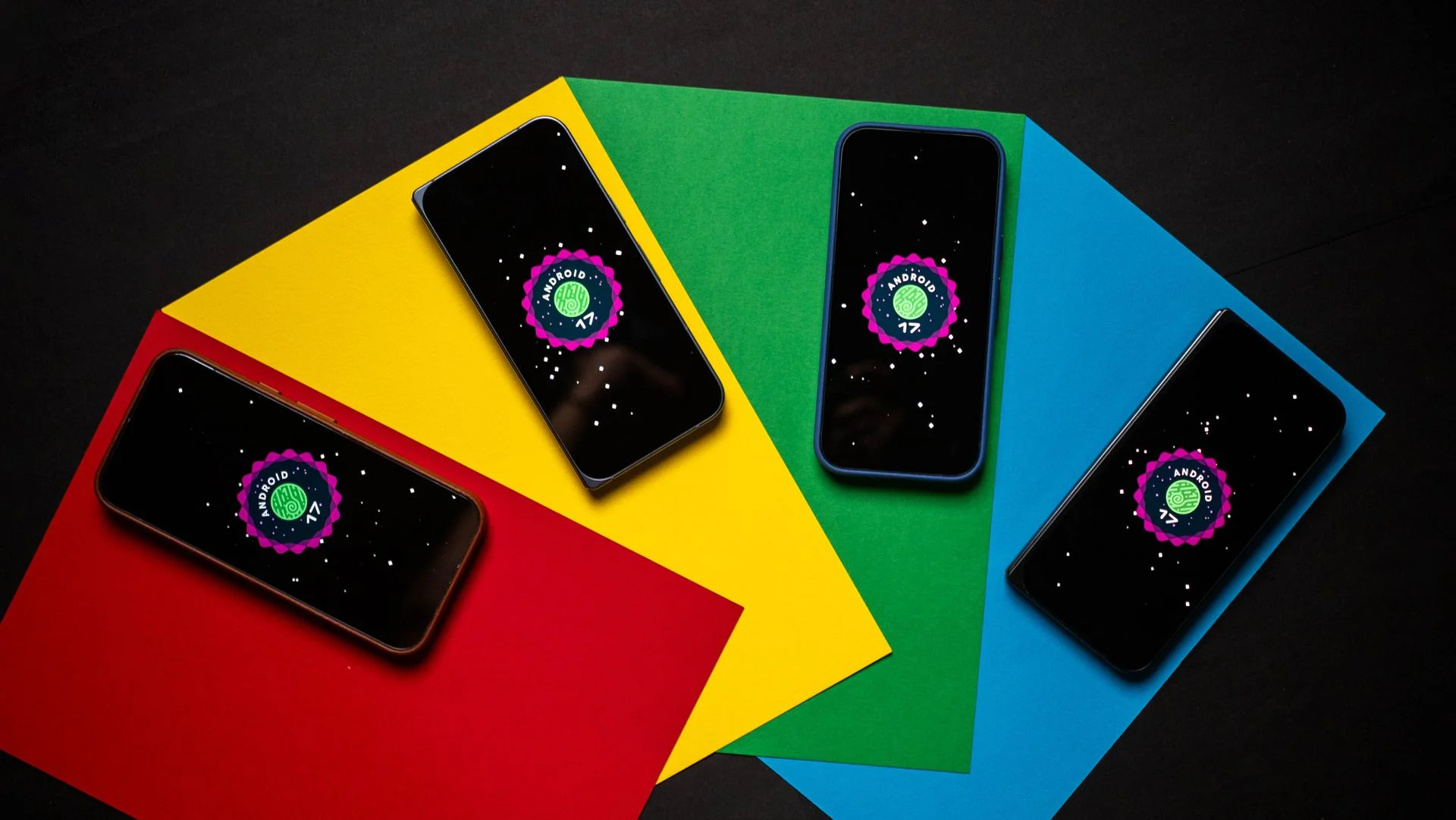
Google continues to refine Android 17 with the rollout of the QPR2 Beta 5, targeting several existing bugs as the software approaches its final release. Testers enrolled in the beta program on devices such as the Pixel 6a, Pixel 7 series, Pixel Fold, and Pixel Tablet will receive version vCP41.260828.005.A6, while other eligible devices will download version CP41.260828.004.A8.
Fixes and Improvements
This beta iteration specifically addresses a persistent issue causing unexpected device reboots during scrolling in media-heavy applications. Users have routinely expressed frustration over these sudden reboots, especially when switching between apps or browsing through visually intensive content. Such disruptions can degrade the overall user experience, making this fix a necessary enhancement.
Another problem is the volume controls not displaying the slider interface while casting media, which has led to a confusing and inconsistent user experience. With this fix, users can expect smoother interactions when controlling audio, whether they're listening to music or watching videos. These small tweaks can significantly impact day-to-day use.
A notable resolution involves an HDR feature that appeared to stay enabled despite user settings indicating otherwise, which is a common issue in mobile software. This fix could alleviate confusion for users who are trying to optimize their visual experience based on their preferences. Such inconsistencies in settings can often lead to users questioning whether their commands are being respected by the system, which can erode trust in the overall software reliability.
Here are additional issues being resolved:
- The visual update of Bluetooth device icons when changing device types.
- Text-rendering issues that led to unexpected highlights while typing in search fields.
- Navigation issues preventing Private Space from unlocking correctly.
- A glitch causing unresponsiveness after launching Google Wallet via the power button.
- Instances of camera crashes during panorama mode.
- Audio distortion in Bluetooth devices following calls.
Each of these fixes contributes to a more streamlined and polished user experience. As problems pile up, user patience can wane. Solid iterations like QPR2 Beta 5 underscore Google's commitment to listening and responding to user feedback. And this is the part most people overlook—these incremental fixes often lead to significant improvements in overall reliability and user satisfaction.
Looking Ahead
With Beta 5 addressing these issues, it felt like a necessary step after Beta 4 marked a significant moment in the journey towards stability. The previous beta not only improved reliability but also confirmed that the APIs for Android 17 QPR2 were now locked. This is a critical milestone that signals the closing phase of development, shifting focus toward refining the experience rather than introducing new features.
Even as progress continues, challenges remain. This isn't an uncommon scenario; software development, especially for complex systems like Android, often involves a fair amount of back-and-forth. Google is still dealing with Bluetooth-related issues, including an earlier problem that affected audio routing during calls. These ongoing refinements are part of the lead-up to a mature launch, making it clear that while strides are being taken, the road to a polished experience isn't smooth yet.
What this means for you, the user, is that anticipation builds as Pixel users await the rollout of the finalized version of Android 17. As the beta program refines features and fixes bugs, users are left to ponder: Are these fixes enough to warrant a smooth transition when the final version drops?
The development team acknowledges the challenges ahead, indicating that there's still a final stretch before users can expect a fully polished experience. Despite this, the effort to address pressing issues speaks to a broader goal: to enhance user satisfaction and system reliability. For many, this ongoing journey reflects not just a software update, but a whole perspective on user feedback's importance in shaping technology.
Implications and Future Outlook
The challenges faced during this phase of development are reflective of the typical hurdles in refining software products. It’s clear that the demand for a flawless user experience is ever-present, and any misstep can lead to poor reviews or loss of user trust. If you're working in this space, you'll see that addressing issues as they arise isn't just good practice—it's essential for maintaining credibility in a crowded marketplace.
Looking ahead, the lessons learned from this beta phase may directly influence how Google approaches future updates not just for Android, but across its entire product suite. The focus on agility and responsiveness may redefine expectations within the industry, especially as other major players observe and possibly mimic this approach. Anticipation is high—not just for the final version of Android 17, but for what this iterative process signifies for future updates across the board.
As Google fine-tunes Android 17, users will be watching closely. Aside from performance improvements, the effectiveness of this beta phase in squashing lingering bugs could form the foundation for enhanced user loyalty. The stakes are high. All eyes are on Google to deliver.


Discussion
Sign in to join the discussion.