A new Google wearable has appeared at the FCC, hinting at a device that could bridge the gap between the Fitbit Air and Pixel Watch.
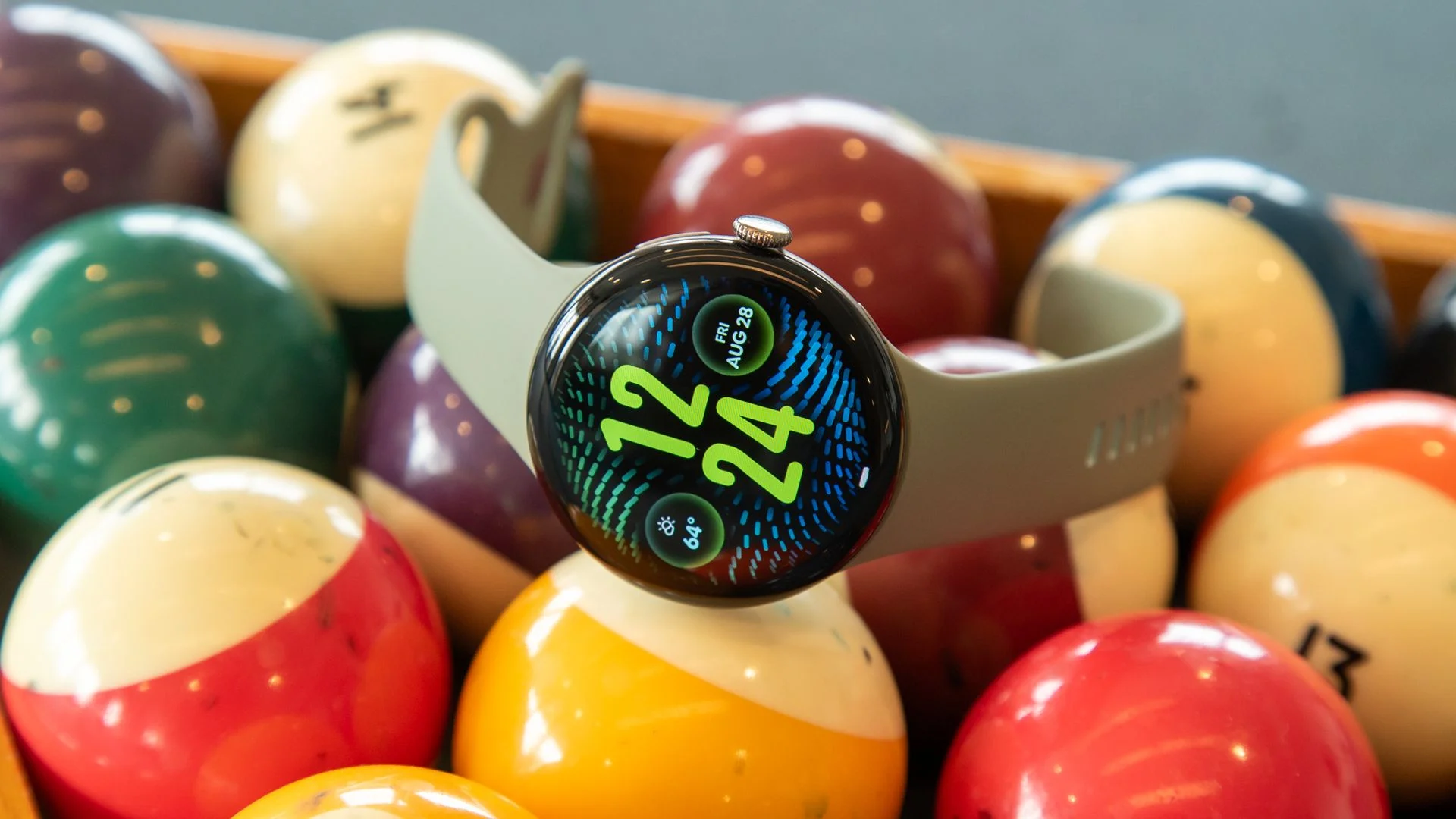
A newly identified wearable device from Google has surfaced at the FCC, raising questions and generating excitement within the tech community. Speculation indicates that this product, with the model number G8BL6, might be a fitness tracker running Wear OS.
Gaining Insights on Google's Fitness Tracker
Wearables have become a significant part of the health and fitness industry, with many consumers actively using fitness trackers to monitor their activity levels, heart rate, and other vital statistics. Google's potential entry into this specific market with model G8BL6 signals its intention to compete directly with established brands like Fitbit, Garmin, and Apple. Over the past few years, Google has been focusing on expanding its hardware offerings, especially in the health space, making this device's appearance all the more critical.
The listing reveals that the device forgoes Wi-Fi connectivity and relies on Bluetooth LE, which aligns with typical features of fitness trackers. Bluetooth Low Energy (BLE) is particularly appealing for wearables due to its efficiency in conserving battery life while ensuring a stable connection with smartphones and other devices. Fitness trackers prioritize these connections for syncing data, achieving long battery life, and offering essential functions without needing constant internet access.
Specifications and Design Insights
As per the FCC records, the wearable also includes GPS support and boasts a metal frame that doubles as an antenna — an intriguing choice for a device in this category. GPS is a standard feature in most fitness trackers, especially for those aimed at runners and outdoor enthusiasts who want to track their distance and pace accurately. The metal frame's function as an antenna indicates that Google may prioritize signal quality, potentially improving connectivity for GPS navigation and smart notifications.
Such design elements might suggest that Google is thinking about not just integrating health features, but enhancing user experience by ensuring a reliable connection and sturdiness. This is important since many consumers choose fitness trackers not just for health reasons, but also for their durability and design aesthetics.
Manufacturing Background and Credibility
The manufacturer, Goertek, has a history of collaborating with Google, notably in producing the Pixel Buds. This connection lends further credibility to the idea that this could be a Google-branded device, possibly either a new fitness tracker or an iteration on the existing Fitbit line. Goertek’s experience indicates that they understand Google's standards for quality and functionality, which could enhance the overall acceptance of this tracker among users who are keen on a seamless integration with Google’s ecosystem.
(picture of Google's potential fitness tracker)
Software Considerations
Moreover, ADB testing mentioned in the documents hints at the possibility of some form of Wear OS software running on this device. This is noteworthy, especially since the absence of Wi-Fi support marks a departure from the capabilities of traditional Wear OS smartwatches, suggesting that Google may be targeting a market segment focused more on fitness-oriented features. While other smartwatches typically offer a wide range of apps and internet connectivity, this distinction could appeal to consumers who favor straightforward health data tracking over more complex functionalities.
Google's strategic choice here is relevant; it might open avenues for a more simplified user interface tailored for fitness enthusiasts rather than casual smartwatch users who may be overwhelmed by the myriad of available applications. This product could resonate with those who prioritize functionality and ease of use in their daily health management.
Potential Implications of the New Device
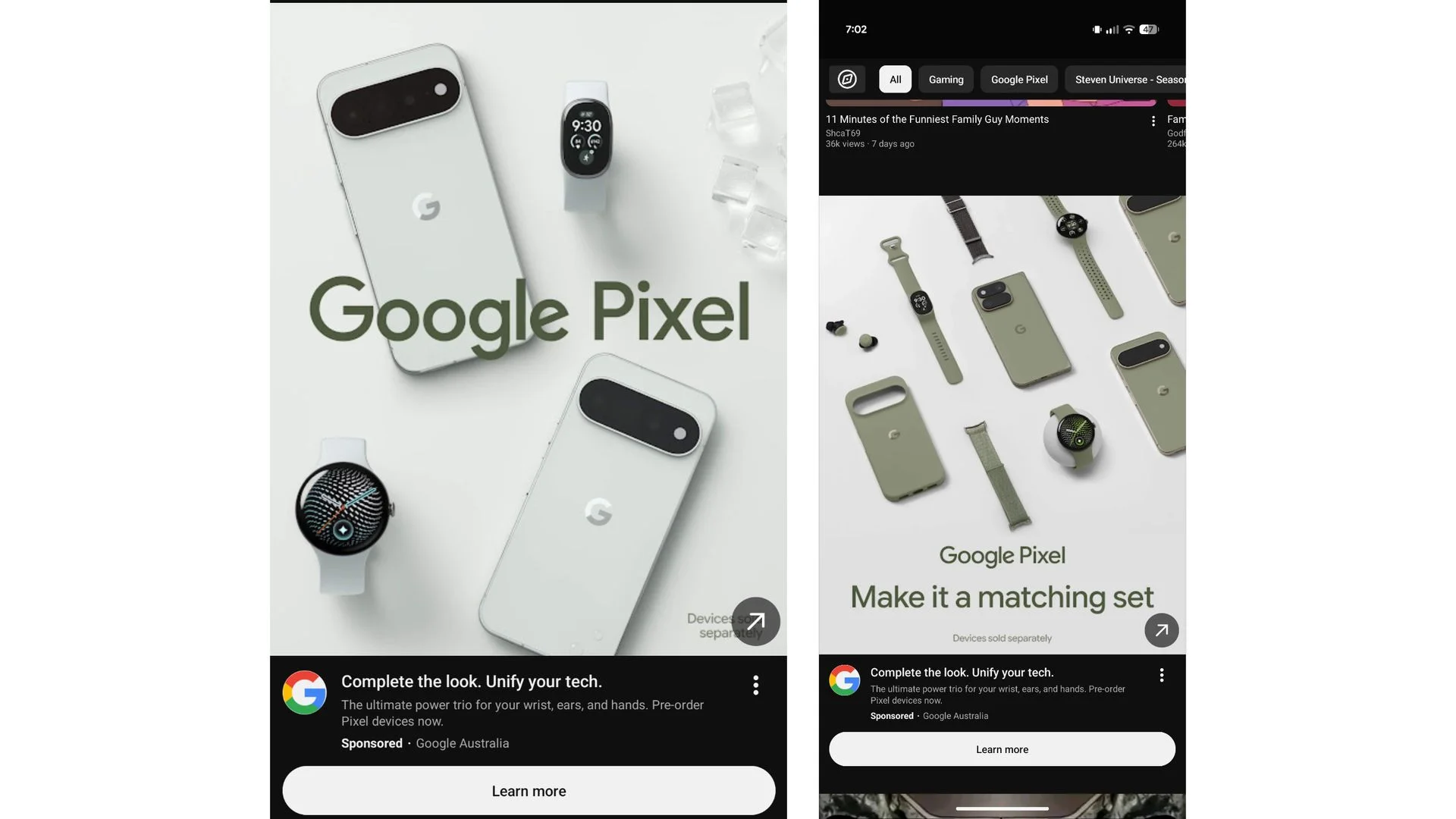
A potential teaser for this wearable already appeared during the recent Pixel 11 launch, where Google showcased an unannounced fitness tracker with a compact display. This could tie directly to the FCC's newly surfaced device. Tech enthusiasts often pay close attention to such product launches, leading to heightened anticipation about the tech giant's moves in the fitness wearable segment.
Market Positioning and Future Outlook
Positioned strategically between the Fitbit Air and the Pixel Watch, this new product could occupy a significant niche, particularly as Fitbit has not refreshed its Charge lineup since 2023. This gap in Fitbit's offerings highlights an opportunity for Google to capture users looking for fresh alternatives in the fitness tracker domain.
If all the rumors hold true, we could soon see a dedicated fitness tracker from Google that appeals to users seeking something beyond what current offerings provide. What this means for you is that if you’re working in this space, it suggests an increasing importance of fitness wearables, especially as Google continues to push into this arena.
This is more significant than it looks. A successful launch could signal further enhancements to the Google ecosystem, involving deeper integrations with health apps, data analytics, and perhaps new health initiatives that will keep users engaged and pursuing their fitness goals. In a market where consumers are continually seeking more from their devices, Google’s potential entry here should prompt both excitement and skepticism. How well this new tracker meets user needs remains to be seen.

Discussion
Sign in to join the discussion.