Valve's Steam Frame headset starts at $1,059, features Android game support, and focuses on bridging standalone and PC gaming experiences.
Pricing and Availability
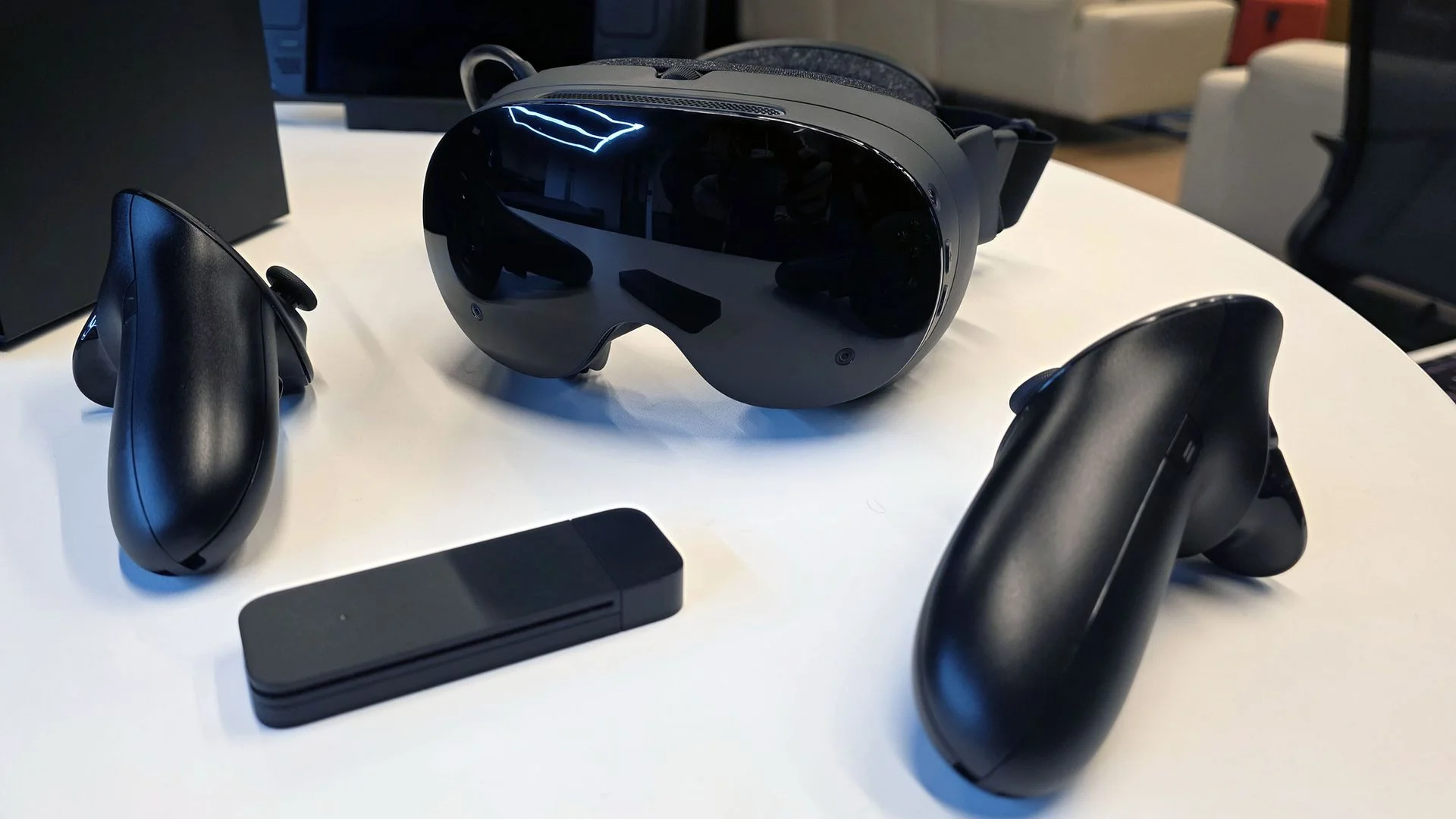
Valve has unveiled the Steam Frame, a wireless VR headset priced at $1,059 for the 256GB version, while the 1TB model is set at $1,299. The pricing strategy has placed it slightly above the anticipated cost of its predecessor, the Index, reflecting increased component expenses. Customers looking to get their hands on the headset must navigate a reservation system, with sign-ups open until September 17 and purchase invites commencing the next day.
This pricing move signals Valve's intention to position the Steam Frame as a premium product within the VR market. Prices of previous models such as the Index had already established a benchmark, and consumers were likely expecting a rise given the landscape of rising hardware costs. But why does Valve believe it's justified? For one, the company aims to strengthen its foothold in a niche but growing market of high-end VR gamers. While $1,059 is steep, Valve seems to be banking on the system’s features and capabilities to attract buyers willing to pay for advanced technology.
The reservation system adds an interesting layer to the sales approach. By creating exclusivity—a sort of “first come, first serve” model—it can generate buzz and perceived value among potential buyers. However, if you’re in the market, keep an eye on how this system plays out; it could either lead to a perceived rush or leave many disillusioned if their invites don’t come through quickly.
Hardware Features
Under the hood, the Steam Frame is powered by the Snapdragon 8 Gen 3 chip paired with 16GB of RAM. This setup is designed to support both native gaming through SteamOS and a variety of compatibility layers. Users will benefit from tracked controllers and can enjoy titles locally or stream them from a compatible PC.
The choice of hardware is designed to offer superior performance compared to earlier models. The Snapdragon 8 Gen 3 is known for its efficiency and processing power, factors that should translate to better graphics and smoother gameplay. With 16GB of RAM, you can expect multitasking capabilities far beyond prior VR offerings, allowing for enhanced experiences in more demanding games. If you're working in this space, you'll recognize that this is an essential feature, particularly as VR games become increasingly intricate.
The inclusion of tracked controllers is another significant plus. This means users won’t just be limited to a passive viewing experience; they’ll actively interact with games and applications. But the real kicker? Local gameplay paired with streaming compatibility means players can enjoy a seamless transition between standalone and PC gaming. The flexibility here might attract a wider audience who appreciate not being locked into a single vision of VR gaming. Still, many will watch closely how this hardware holds up once it’s out in the wild.
Game Library and Support
One of the standout features is the headset's support for Android games. This allows players to access existing Android APKs, dramatically expanding the potential game library without requiring separate ports for Valve’s system. Developers will be able to utilize the same APKs they already distribute for other platforms, enhancing the appeal of the Steam Frame.
This move could change everything—or at least, it could shake up how gamers perceive VR systems. Android game support offers a unique advantage because it taps into an already vast array of titles, minimizing the barriers for developers who’d otherwise have to invest extra time and money to create unique VR experiences. And this is the part most people overlook: with the steep learning curve and costs associated with developing for VR, simplifying that process could result in a more diverse, engaging library over time.
If successful, this support could lead to an influx of users who might not consider themselves traditional gamers but are already familiar with mobile gaming. This expands Valve's potential audience significantly—but it will rely on getting enough developers on board quickly to populate the library.
Storage Options
Storage flexibility is a plus, as the headset is equipped with a microSD slot, giving users an alternative to the pricier storage upgrades. For those primarily using PC streaming, opting for the 256GB version with additional storage via microSD could make financial sense.
The inclusion of a microSD slot is particularly relevant in an age where cloud solutions are often pushed as the default option. While cloud storage might sound great, it often comes with pitfalls—like the necessity for a strong internet connection. With a simple microSD card, users can expand their storage without worrying about external servers. This strikes a chord with gaming enthusiasts who want dependable access to their games, especially when VR experiences can consume significant data in terms of storage.
It's an acknowledgment from Valve that not every user will need a massive internal drive, especially if their usage leans heavily on PC streaming. That said, if you're thinking long-term, consider how VR titles continue to grow in space requirements, combined with the growth of software updates and DLCs.
Market Positioning
At its starting price, the Steam Frame isn’t targeting budget-conscious VR enthusiasts. Instead, Valve is banking on its existing Steam library, the added value of Android game compatibility, and wireless streaming capabilities to justify the investment. For gamers who seek a blend of standalone and PC-powered experiences, the Steam Frame appears to be a compelling option.
Valve seems to believe that gamers willing to pay a premium will also expect advanced features, and they've equipped the Steam Frame to meet those demands. This strategy does come with risks, highlighted by the fact that many competitors are offering viable, often less expensive alternatives that could divert attention. However, the focus on an expansive library and interoperability may just set the Steam Frame apart in a crowded market.
Valve's strong brand identity and community loyalty also play a significant role in this equation. Longtime Steam users may see the value proposition fitting nicely with their established online ecosystems, making the Steam Frame a tempting addition. But only time will tell if the bold price point pays off.
Implications and Future Outlook
The arrival of the Steam Frame marks not just an extension of Valve’s hardware ambition but hints at its intentions to redefine the market. By combining high-end specs with an inclusive game library, they aren't just selling a headset; they're trying to create a new ecosystem.
Success for Valve might bring a reckoning for other companies in VR who are still trying to find their own footing. If the Steam Frame succeeds, expect to see other manufacturers explore similar pathways—especially the combination of powerful hardware with extensive software support. This could lead to a clearer shift in how VR is perceived, moving from a niche hobby to a more mainstream outlet for gaming.
Consumers will be watching closely. If Valve manages to deliver on its promises, the Steam Frame could set a standard. If it doesn’t? Competitors will be ready to pounce. After all, in technology, promises mean nothing unless they’re backed by performance and delivery.

Discussion
Sign in to join the discussion.