Meta's Project Phoenix aims to transform mixed reality with a lightweight design that resembles smart glasses, challenging the norms of headset usability.
What You Should Know
- Meta's Project Phoenix is emerging as a lightweight, high-end mixed-reality headset after extensive speculation.
- The design resembles smart glasses rather than traditional VR headsets, featuring nose pads and sensors on the temples.
- An external computing puck appears to be integral to its functionality.
After more than a year of industry whispers, Meta’s Project Phoenix is finally taking shape, presenting a distinct interpretation of what a mixed-reality headset could be. The project, cloaked in secrecy until recently, has sparked curiosity and discussion across technology and gaming sectors alike. Insights and leaked visuals hint at a design that significantly deviates from the bulky, conventional headsets that have primarily dominated the market for the past few years.
This isn't just another iteration in a crowded market; it's a shift that could influence user adoption of mixed-reality technology. Traditionally, devices have leaned heavily on weight and aesthetics that made them cumbersome. Now, Phoenix’s visuals suggest a transition towards a sleeker profile that should appeal to users who might be deterred by conventional VR headsets. There's a growing recognition that wearability can directly impact usage; if a device feels more like eyewear than a tech gadget, it might invite a broader audience.
Revelations about Project Phoenix began to emerge through Meta's HorizonOS Prescription Lens package, which first displayed minimal details back in August. Subsequent updates in September unveiled functional images showcasing how users can incorporate prescription lens inserts into the Phoenix headset, thereby simplifying the personalization process. This focus on user-centric design underlines a broader trend within technology, whereby companies are gradually moving towards products that are tailored to unique user needs.
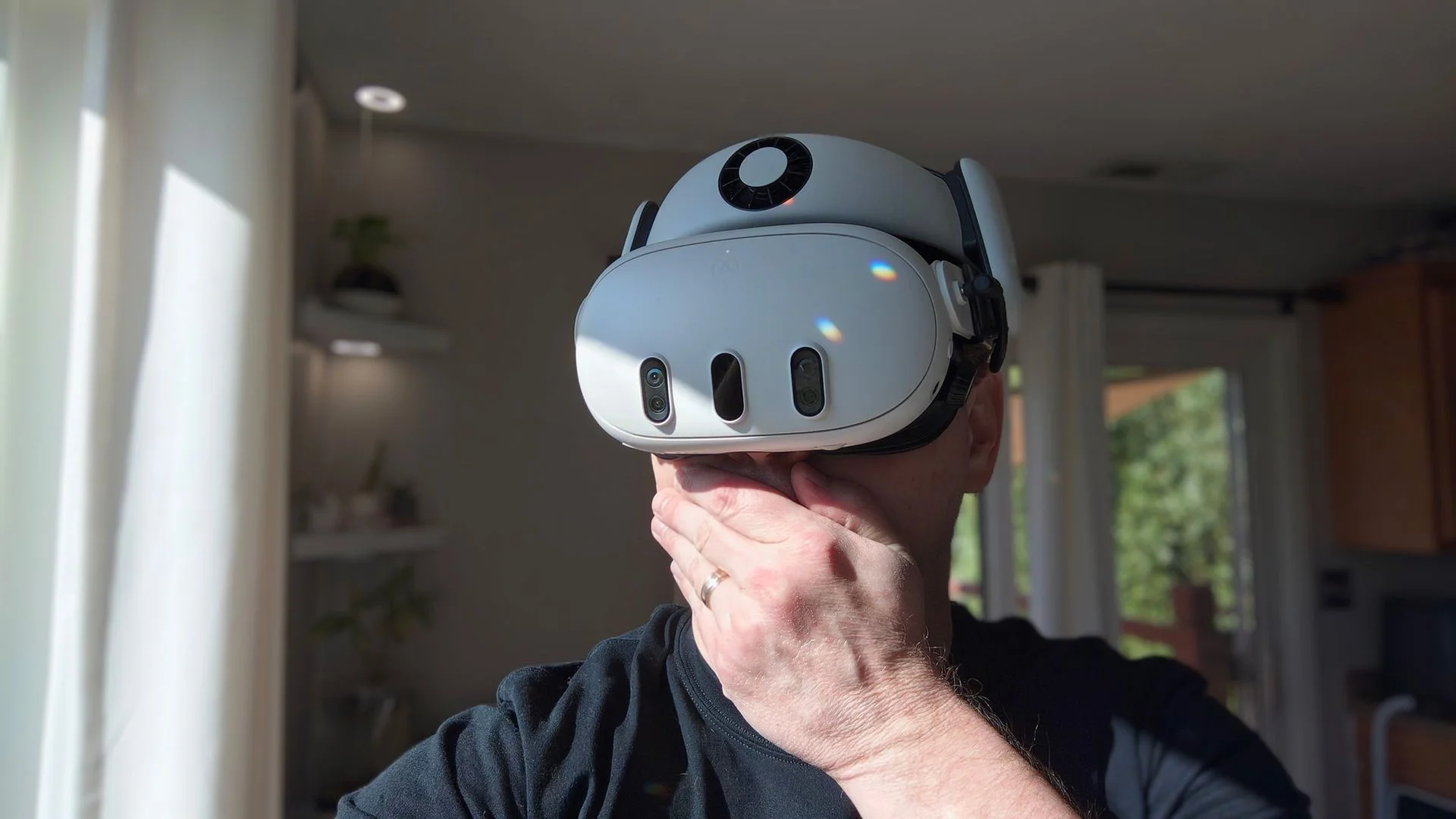
What stands out about Phoenix is its departure from the traditional VR headset aesthetic. Instead of the thick face padding typical of devices like the Quest 3, Phoenix incorporates a more streamlined form that resembles bulkier eyewear. This design uses nose pads and features sensor technology positioned along the temples. You’ll also notice a notable cable extending from the left temple, which aligns with speculations about the need for an external computing unit. (And this is the part most people overlook: the external device might create a new set of challenges for consumers.)
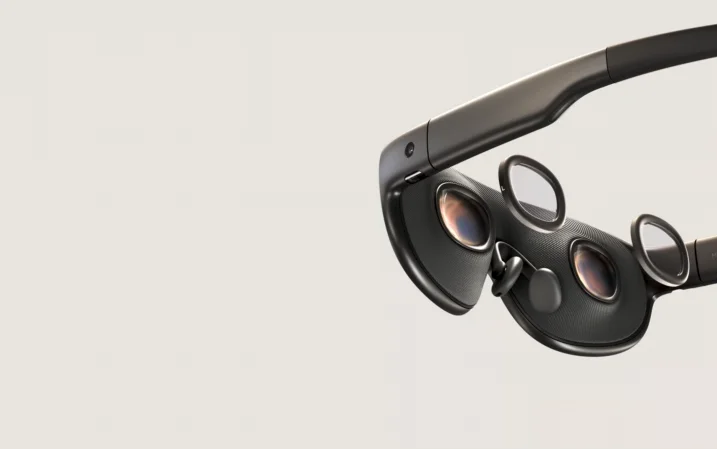
The design shifts the paradigm on how users perceive mixed reality headsets. The reduced weight could lead to a more comfortable experience—a key aspect in a product meant to be worn for extended periods. However, this convenience has trade-offs; handling a separate computing unit and managing the cable could detract from the user experience. The challenge for Meta will be ensuring that this new device feels casual and unobtrusive, not cumbersome and clunky, which will be crucial for mainstream acceptance.
Examining the Features
Another intriguing detail arises from the leaked setup information, hinting at features utilizing prescription inserts and eliminating the need for controllers. This is a significant shift. For many users, controllers represent a barrier to entry, often creating an intimidating learning curve. If Phoenix lives up to the promise of a controller-free experience, it could democratize access to mixed reality. Enabling users to engage directly with the interface through their natural movements might consistently encourage more casual use scenarios.
Meta hasn't officially unveiled Phoenix yet, but the anticipation is palpable, especially with Meta Connect 2026 scheduled for late September—an event notorious for significant product announcements. Sessions on controller-free interactions are set to be a focal point, making it likely that more updates will clarify whether this new design offers substantial advancements in mixed reality headsets or simply redistributes the weight without providing meaningful innovation.
Implications and Future Outlook
The potential implications of Project Phoenix on the tech industry shouldn't be overlooked. Should this headset succeed, it could very well redefine user engagement across the mixed-reality space. Imagine a device so light and integrative that it encourages spontaneous user interaction, shifting the perception of MR from a niche market to a more universally adopted platform.
If you’re working in this space, it’s critical to consider how your products might need to adapt. The market's trajectory might be moving towards products that not only focus on immersion but also ease of use and comfort. The success of Project Phoenix could set new benchmarks in design and functionality, influencing competitors to adopt similar strategies aimed at user-friendliness.
In a nutshell, while enthusiasm for this project is warranted, it's important to remain skeptical. The mixed-reality market is littered with ambitious products that fell short. Meta’s ability to execute on these concepts could be as pivotal as the concepts themselves. Watch this space; the balance of aesthetics, functionality, and user experience will dictate whether Project Phoenix is a harbinger of a new direction or just another footnote in the ongoing tech saga.

Discussion
Sign in to join the discussion.