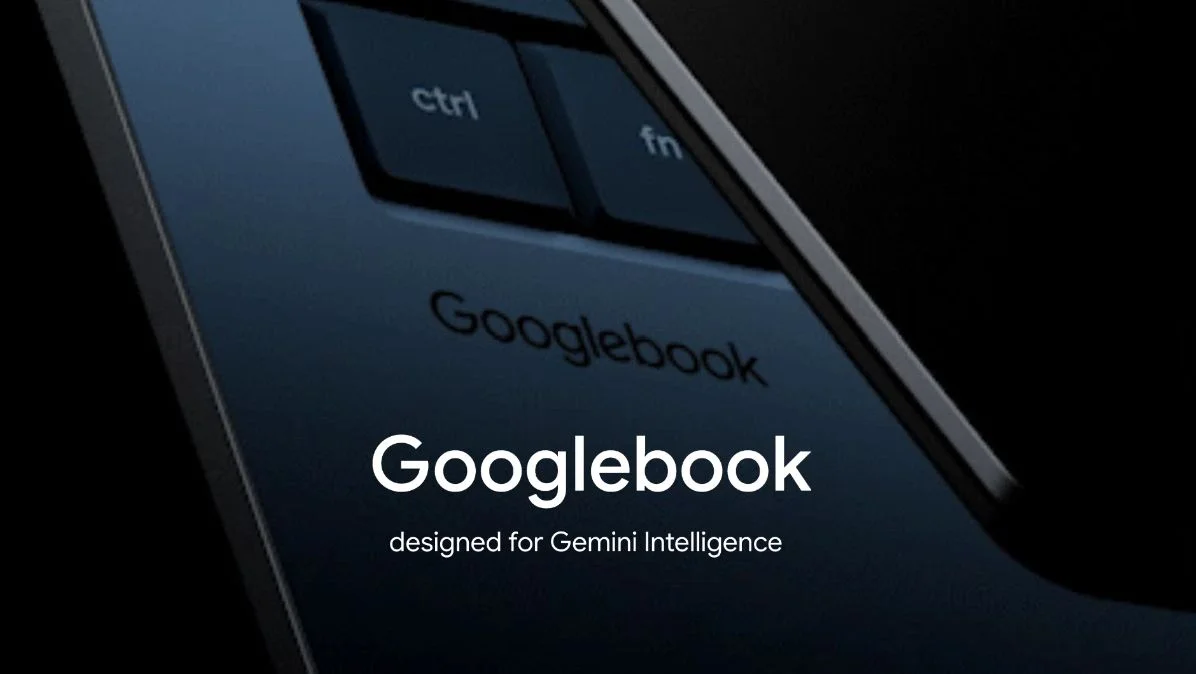
Googlebooks will be available for pre-order on September 21, with features heavily integrated with the Gemini AI system and partnerships from major brands.
What to Expect from Googlebooks
Google has officially set September 21 at 9 a.m. ET as the kickoff for pre-orders of its highly anticipated Googlebooks, a new category of premium laptops. Although specifics on initial models remain under wraps, major brands such as Acer, ASUS, Dell, HP, and Lenovo are expected to be among the first to offer these devices. This marks a significant moment for Google as it seeks to solidify its venture into hardware aimed at competing with established laptop makers.
The announcement of Googlebooks followed months of speculation and hints during various tech events, culminating in a formal unveiling during The Android Show. These laptops are touted as devices tailored for the "intelligence system" era, focusing prominently on the features offered by the Gemini AI system. With AI becoming increasingly important in consumer electronics, Google’s push could redefine how users engage with their devices. This dual-purpose setup isn’t just about sleek design; it aims to revolutionize user experiences with advanced functionalities like Magic Pointer and AI-generated custom widgets, making it a more intuitive tool in everyday tasks.
Pre-Order and Features
As pre-orders approach, Google has confirmed the September launch date through email notifications. Buyers can already visit a dedicated Googlebook website that showcases branding, teaser content, and the upcoming launch date. However, specifics about which models will be available for pre-order next week haven't been disclosed yet. Uncertainty remains over which features will be standard and which might be reserved for premium versions. Clarity here is essential for potential buyers parsing through various options and making informed decisions.
Among the standout features is the Magic Pointer, designed for direct access to Gemini. This functionality aims to enhance productivity by allowing users to more efficiently navigate their laptops. Beyond that, the ability for users to create personalized widgets just by describing their requirements represents a shift towards a more tailored experience. This customization facet, if executed well, could convince users who in the past may have shied away from Google devices due to perceived limitations in personalization.
Compatibility and Technology
In a notable shift, Googlebooks will operate on a newly developed Android-based technology stack rather than the familiar ChromeOS, although the official name for this operating system hasn't been unveiled. This change is striking and hints at a broader strategy for Google, positioning these laptops as versatile companions for Android phone users. Ample integration means that apps from an Android phone can be accessed directly on a Googlebook, with the added ability to retrieve files stored on the phone. Here’s the thing: such interconnectedness can enhance productivity and streamline tasks, particularly for those already embedded in the Android ecosystem.
This transition away from ChromeOS is particularly interesting. ChromeOS has been reliable but limited in certain aspects, especially for power users. By moving towards an Android base, Google books could potentially address these gaps. However, it’ll be imperative for Google to ensure that this operating system can handle the productivity demands of typical laptop users. If they can successfully combine the flexibility of Android with the power needed for laptop functionality, they could carve out a new niche in an already crowded market.
Market Competition and Implications
As the competitive wave in the laptop market increases—especially with new RTX Spark-powered devices on the horizon and rising RAM costs—Googlebooks will certainly have their work cut out for them. Major players like Apple, Microsoft, and Lenovo set high benchmarks in terms of both performance and user experience. Simply matching features won’t be enough; Google must differentiate itself through unique functionalities and competitive pricing.
This moment is more significant than it looks. With users increasingly looking for devices that seamlessly integrate with their digital lives, any missteps in the rollout could have lasting effects on Google's ambitions in the hardware space. Tech enthusiasts and general consumers alike are keenly watching how Googlebooks will integrate AI. If the promise of a more intuitive interaction holds true, it could attract both dedicated Google followers and new users alike.
If you're working in this space, take note of how Googlebooks are positioned—not just as laptops but as potential gateways to AI-driven experiences. With the prevalence of smart home devices and other interconnected tech, a device that serves as a central hub could change not just personal computing, but how users employ technology on a daily basis.
And this is the part most people overlook: the potential for Googlebooks to set new standards in customization and interconnectivity. As users seek more ways to make their technology work for them rather than the other way around, Google could position itself as a leader in a less trodden path if these features are effective and intuitive.
Future Outlook
The future of Googlebooks will be closely tied to its reception in the market. Initial sales numbers and user feedback could greatly influence future iterations. There’s a clear opportunity for Google here, but success will require careful attention to user needs and a solid marketing strategy to penetrate the established laptop market.
In the long term, if executed well, this might also signal a gradual shift in consumer expectations towards AI-integrated devices. As Googlebooks land in homes and workplaces, the implications for how we carry out everyday tasks—and even the design of future tech—could become profound. The users’ takeaway? Anticipation may pay off. Keep a close watch on Google’s next moves.

Discussion
Sign in to join the discussion.