Rumors suggest Samsung's Galaxy SmartTag 3 features a redesigned squircle shape while losing its built-in loop, sparking mixed reactions.
Anticipated Features of the SmartTag 3
- Samsung is rumored to introduce the Galaxy SmartTag 3 with a redesigned squircle shape, reminiscent of the Galaxy Watch 8 and 9.
- The tracker may be available in both black and white, but lacks a built-in loop, potentially necessitating a separate purchase for attachment.
- Initial expectations included a release alongside the Galaxy S26 FE; however, it debuted without the SmartTag 3.
After a three-year gap, Samsung's next iteration of the SmartTag could soon hit the shelves. Recent leaks indicate that the design has undergone significant changes. It’s not just about a new look; the SmartTag 3 aims to align with Samsung’s broader design philosophy, which emphasizes functionality while maintaining aesthetic appeal.
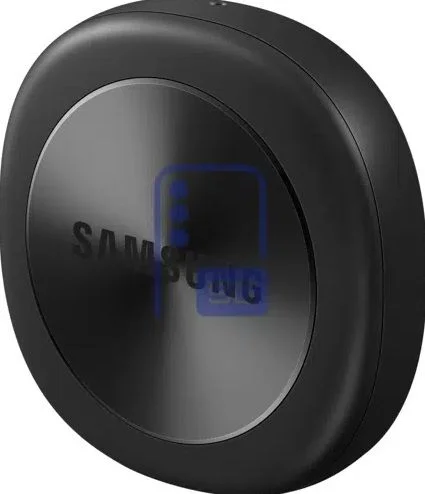
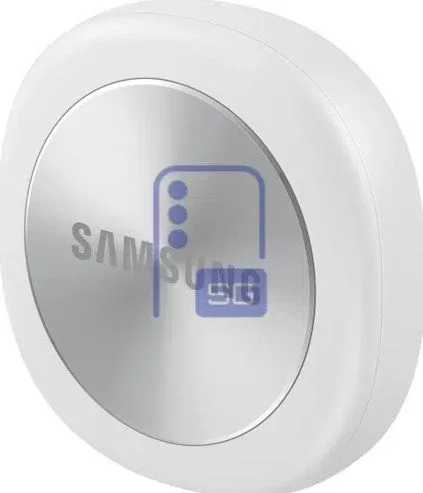
Renderings surfaced via SammyGuru, suggesting a shift to a squircle format. This new design incorporates a thicker colored outer layer surrounding a metallic center, available in white and black options. The black variant notably features a brushed metal finish instead of silver. Design choices like these aren’t made in a vacuum—they signal Samsung's desire to keep products visually cohesive across their portfolio, something tech enthusiasts often appreciate.
Improvements in Bluetooth capabilities and ultra-wideband (UWB) functionality are anticipated in this model, maintaining features from the last generation. You have to wonder how much these enhancements will actually improve user experience, though. The "NFC-based Lost Mode" known from previous SmartTags is also likely to continue, but battery details remain unclear, raising concerns about longevity. Will these new features lead to better tracking accuracy? Will battery life suffer due to increased functionality? The answers to these questions will be pivotal.
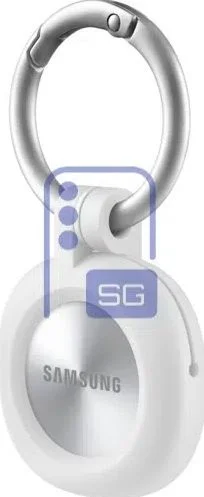
One notable change stands out: the absence of a built-in loop for mounting. Given how users have generally relied on that feature in earlier models, this redesign could be a puzzling step backwards. With this shift, users may need to purchase an additional case or accessory to attach the tracker to their belongings—an added expense that could affect consumer uptake. If you’re like most people, you probably don't want to pay more than necessary for what should be a straightforward device.
Pricing estimates suggest the SmartTag 3 could retail around $30 in the U.S., with a slight increase expected in Europe. But at that price point, is the value proposition compelling enough, especially given its new design decisions? Consumers will likely weigh the benefits of enhanced features against the inconvenience of needing an additional accessory just to use the product effectively.
Redesign Decisions and Market Position
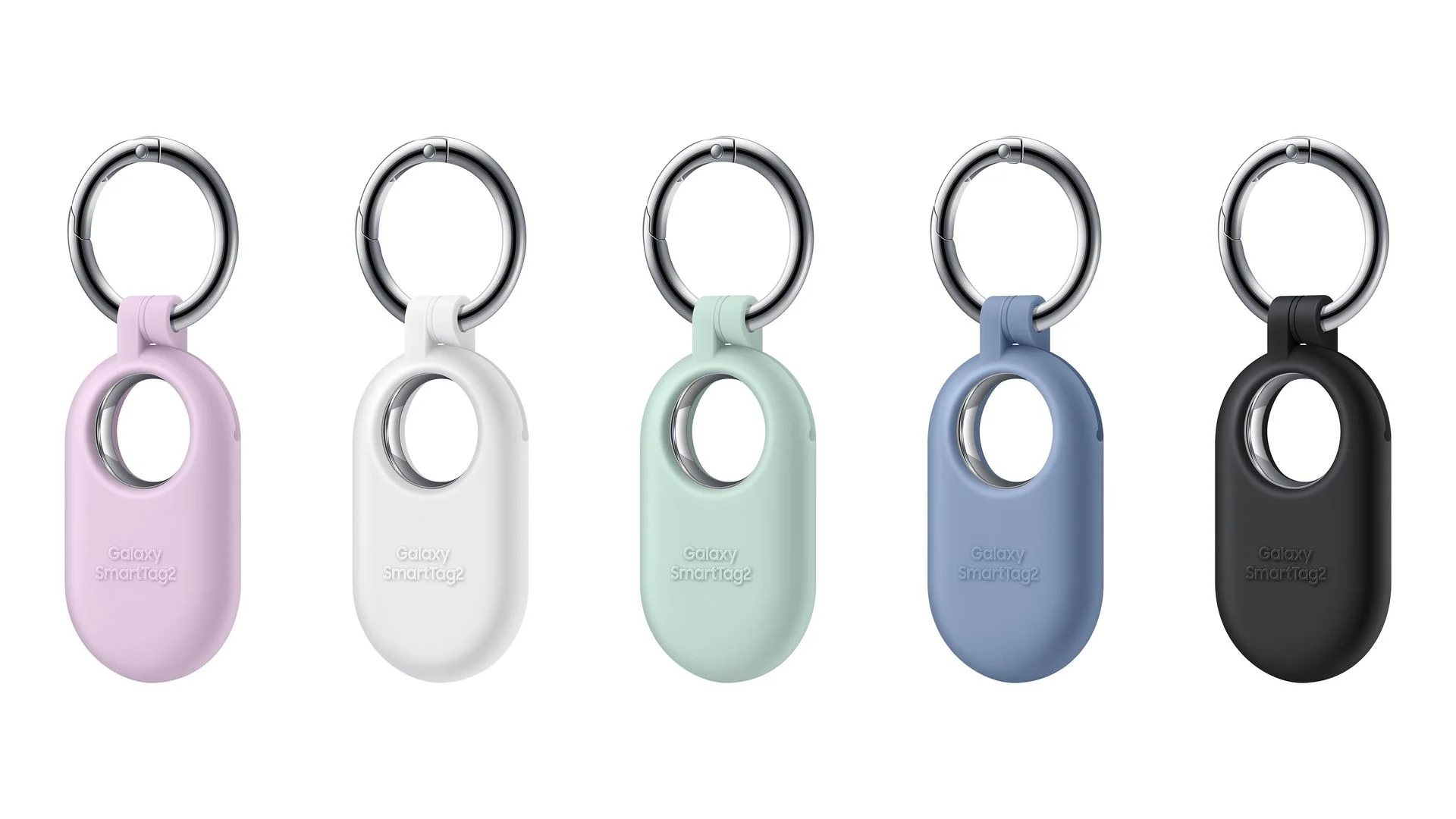
Having tested the Galaxy SmartTag 2 extensively since its release in 2023, it’s evident that Samsung has previously altered its design to enhance usability, such as adding a more functional attachment loop. This observation raises a critical question: Why revert to a design that complicates user experience? Current smartphone users expect convenience and utility. The decision to eliminate the built-in mounting feature may alienate those who appreciated SmartTags for their practical, no-fuss solutions.
A tip-off had suggested a September launch to coincide with the Galaxy S26 FE, which instead made a solo appearance late in August. This leaves the door open for a standalone debut for the SmartTag 3 or possibly a launch stacked with the upcoming Galaxy Tab S12. The timing of such launches often reflects strategic market positioning; however, will Samsung's decision to delay the SmartTag 3 serve to bolster its perceived value, or will impatience lead to consumer apathy?
Implications and Future Outlook
The trajectory of the SmartTag 3 could indicate Samsung’s broader strategy in the tech accessories market. As devices become more interconnected, it’s essential for manufacturers to balance innovation with user-friendly design. If Samsung can effectively integrate advanced functionalities without alienating customers through unnecessary complexities, it stands to gain a more significant foothold.
What this means for you, the consumer, is more than just new products on the shelf. If Samsung’s gamble on an untested design philosophy backfires, it could provide a learning lesson for the company and potentially alter its approach to future product iterations. Sometimes, a misstep can be more telling than a success. Keep an eye on customer feedback; it’ll likely shape the direction of SmartTag 4 or any successors that emerge. Consumers won't hesitate to voice their discontent if enhancements come at the cost of usability.
(And this is the part most people overlook) the attachment dilemma could serve as a microcosm of larger industry trends. When companies focus on aesthetics or advanced features, they must remember the basics that consumers expect. If Samsung fails to meet those expectations, it may not only lose customers but also provide an opening for competitors.

Discussion
Sign in to join the discussion.