Samsung's Galaxy Tab S12 series may see price hikes, with new models potentially costing €200 more than their predecessors in Europe and affecting U.S. prices.
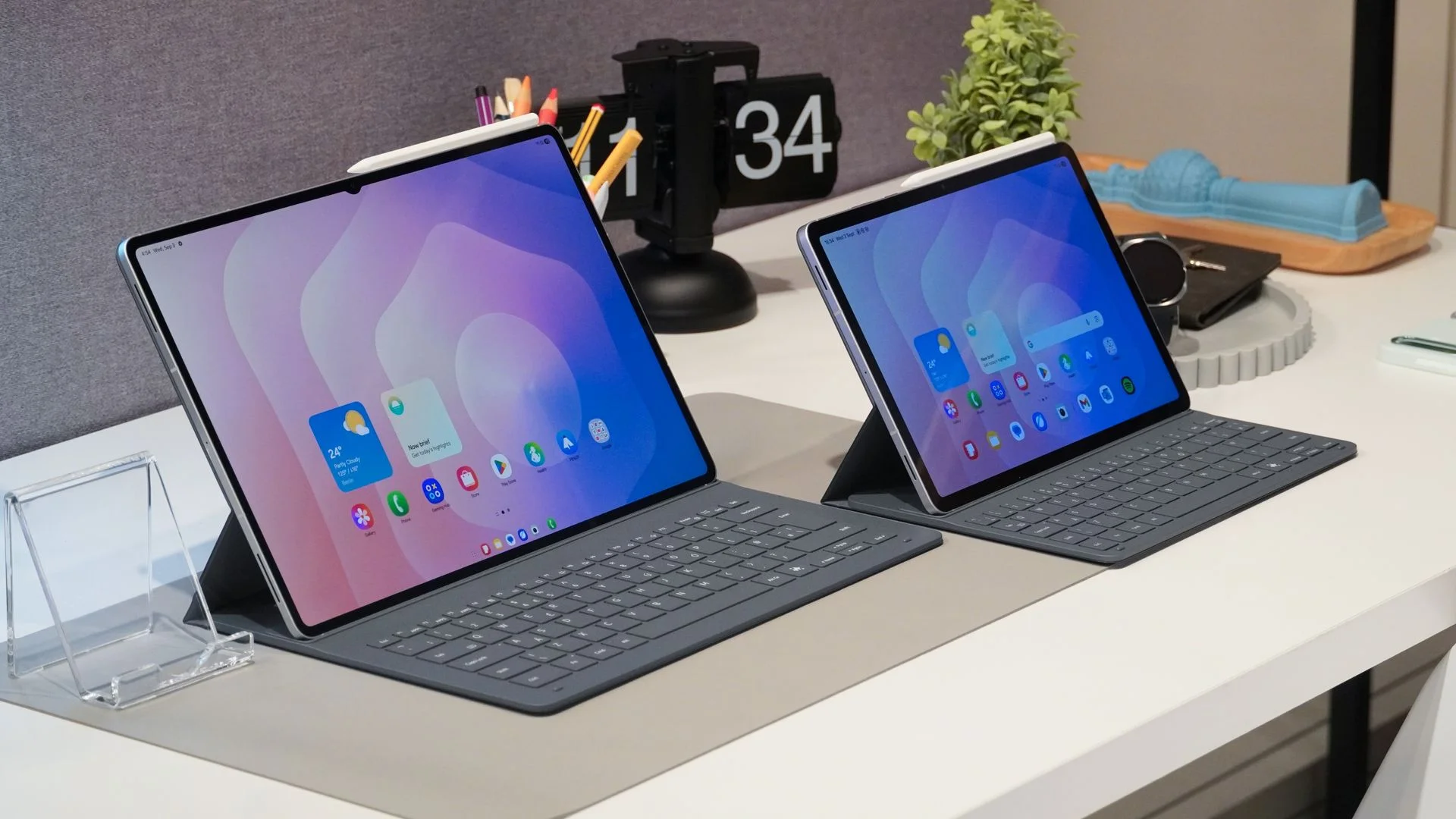
The Samsung Galaxy Tab S12 series is generating buzz with recent reports indicating a likely price increase for its upcoming models. This news, emanating from WinFuture, suggests that consumers might face higher costs across Europe and potentially in the U.S. as well.
Projected Pricing Details
According to the report, the Galaxy Tab S12 Ultra will come in two configurations: Wi-Fi and 5G, with prices ranging from €1,539 to €1,739 for the 12/256GB and 12/512GB versions, respectively. The 5G variants are estimated to cost €1,689 and €1,889. This represents a notable bump from previous models and could affect how potential buyers view Samsung's flagship tablets. It's worth considering that Samsung has traditionally positioned its high-end tablets as premium devices, and these new price points align with that strategy.
Meanwhile, the Galaxy Tab S12 Plus is also rumored to offer similar storage options and is expected to retail for €1,299 and €1,499. Here's the thing: while Samsung's pricing strategy typically reflects inflation and increased production costs, the question remains whether consumers will be willing to absorb these hikes. As with prior releases, Samsung is likely to adjust pricing according to the region, but the upward trend could also apply to the U.S. market, which could see prices closer to $1,000 for the Plus model.
Comparative Analysis with Previous Models
WinFuture notes that the anticipated prices for the Galaxy Tab S12 lineup could be approximately €200 higher compared to the Tab S11 series. For context, the Tab S11 starts at $699, while the S11 Ultra begins at $949. If these increases materialize in the U.S., we might see the Tab S12 Plus approaching $900 and the Ultra crossing the $1,100 mark. This is significant in light of the competition from brands like Apple and Microsoft, which have been aggressive with their own pricing and product offerings. Raising the stakes, Samsung's price adjustments might alienate some users who are stepping into tablet technology for the first time.
It's also worth considering the trade-offs at these new price points. Consumers might expect better features, enhanced performance, or higher-quality displays with these upcoming models. If they don’t deliver on expectations, we could see backlash from a market that’s becoming increasingly discerning. Flagship products need to justify their cost with tangible benefits—something that draws users from other ecosystems.
Rumors and Specifications
Leaks regarding the Galaxy Tab S12 series have surfaced sporadically throughout the year. Initial speculation hinted at the existence of a 16/1TB Ultra configuration; however, recent updates have reportedly dismissed that possibility. This change might stem from ongoing supply chain issues affecting memory components across the tech industry. As you know, this sector has been scrambling to cope with disruptions ranging from global chipset shortages to logistical hurdles caused by the pandemic, causing manufacturers like Samsung to rethink product specifications.
As for the design aspects, the Tab S12 Ultra is rumored to sport a familiar aesthetic akin to its predecessor, featuring a 14.6-inch display and maintaining a sleek profile, coupled with a sizable 11,600mAh battery. While sticking to an established design may ease production and customer familiarity, it does raise a question: Is Samsung playing it too safe? There’s a fine line between brand consistency and stagnation. If you're working in this space, you'll know that consumers often want to see fresh ideas even in familiar formats.
Anticipating Market Reactions
The U.S. market appears poised for similar price adjustments if the trend holds true. Experts predict that an uptick of $100 to $200 seems plausible. With September upon us, expectations are mounting for Samsung to unveil these tablets within the coming weeks. However, the true measure of success will come down not just to pricing but also to consumer response. If the new models can wow users with significant upgrades in usability and functionality, the higher prices might not matter much. Yet, if the upgrades are minimal, prospective buyers might opt to seek out more competitive options.
This brings to light an intriguing dynamic in the tech sphere. As tablet users become more educated about their choices, Samsung's price hikes may feel prohibitively high if the offerings don’t showcase substantial advancements. Emerging competitors are ready to swoop in if the established player falters, putting pressure on Samsung to deliver more than just basic improvements. As always, these projections are speculative and may vary once official details are released. Tech enthusiasts should stay tuned for Samsung's official announcement and final pricing strategies.
Implications for the Market
The potential price increase for the Galaxy Tab S12 series isn't just a note on a ledger; it can have ripple effects across the entire tablet market. If Samsung pushes its prices higher, it sets a precedent that may compel other manufacturers to follow suit. This could skew perceptions around the value of premium tablets and what consumers are ultimately willing to pay for them. The fluctuating economics of tech could usher in a new wave of pricing strategies, and that’s where the real impact will be felt.
If you're in the market for a tablet, this means you'll want to closely evaluate not just what Samsung brings to the table but how it compares to other options in the pipeline. Do you go for the tried-and-true Samsung experience, or do you gamble on upcoming devices from its competitors? The answers to these questions will shape the buying decisions of many and could determine market winners and losers as we enter the holiday shopping season.

Discussion
Sign in to join the discussion.