The SEC's new framework for tokenized stocks opens avenues for crypto firms by emphasizing real securities and controlled trading environments.
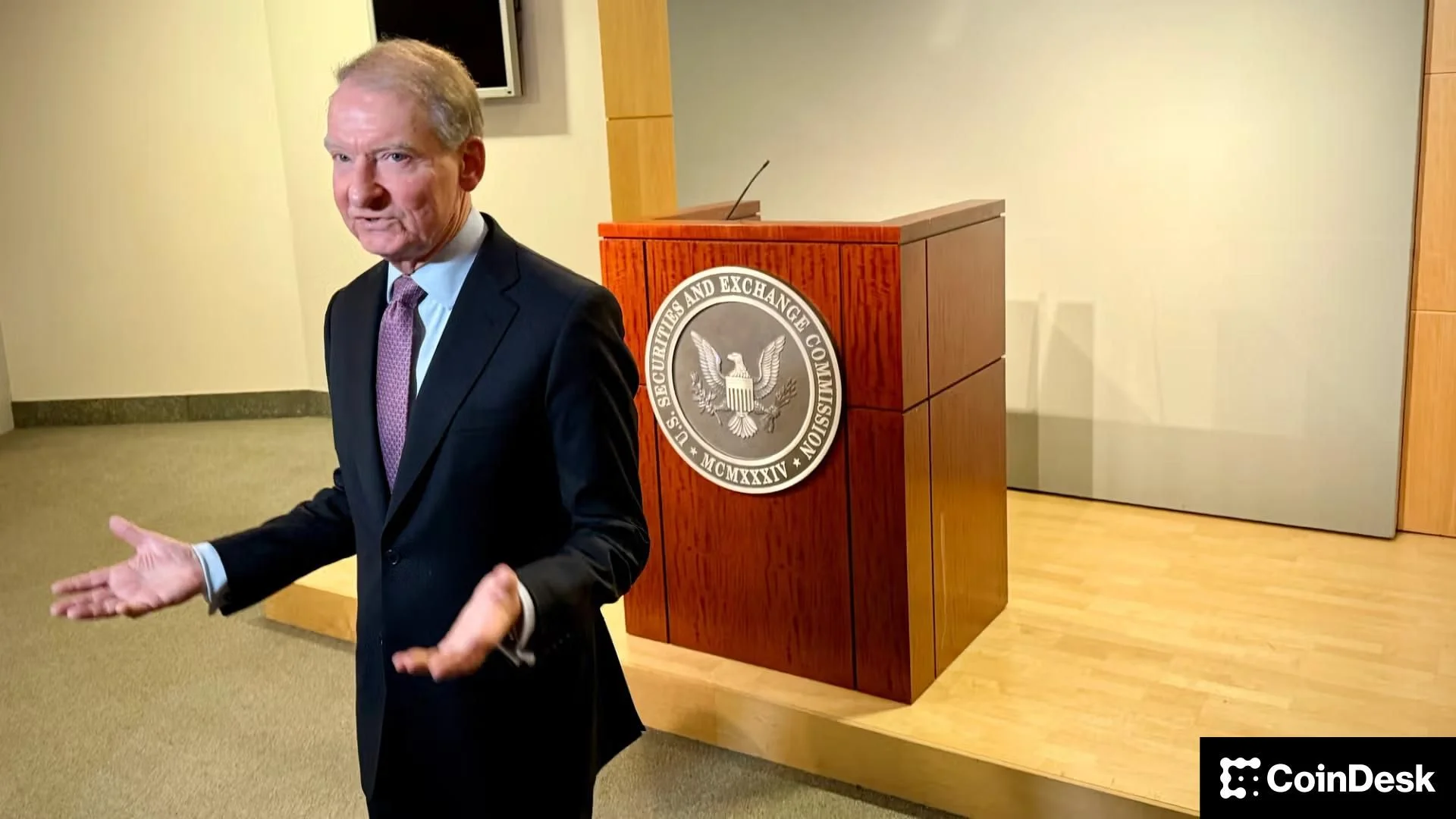
The U.S. Securities and Exchange Commission (SEC) has initiated a new framework that could significantly reshape the trading of tokenized stocks. By allowing firms to tokenize actual U.S. securities on blockchain platforms, this policy paves the way for a new wave of companies dedicated to merging traditional equity with decentralized technology.
Under this newly established framework, the SEC favors tokens that mirror the rights associated with conventional shares, encompassing dividends and voting privileges. This emphasis on rights and entitlements is essential for maintaining the integrity of stock ownership and facilitating the growth of the tokenized market. "This is extremely positive because it gives a way to trade real tokenized stocks," expressed Carlos Domingo, CEO of Securitize, a platform centered on real-world asset tokenization.
The SEC's guidelines exclude synthetic tokens, which merely reflect price movements without conferring ownership rights. This differentiation favors companies directly collaborating with issuers and using custodial models that uphold full shareholder rights. The framework aims to incentivize high-integrity tokenization practices while disincentivizing less transparent financial products.
Implications for Decentralized Trading Platforms
An intriguing aspect of this SEC move is its potential to revolutionize the decentralized finance (DeFi) landscape. With tokenized stocks permitted to trade via automated market makers (AMMs) on public blockchains, the door is ajar for DeFi protocols to integrate more closely with U.S. securities markets. However, the SEC stipulates that these exchanges must employ controlled access measures, such as Know Your Customer (KYC) protocols and trading limits, to ensure compliance with regulatory standards.
"The SEC’s move is a strong validation for tokenized shares that represent actual underlying securities," Domingo emphasized. His insights underscore a pivotal shift towards adopting native tokenized security structures, which could redefine how stocks are traded within the crypto ecosystem.
Despite the initial optimism, experts like Thomas Cowan, global head of tokenization at Bullish, suggest caution. He encourages viewing the exemption as a preliminary measure rather than the start of a broad-based onchain stock market. "It's a fantastic start for the future of financial markets," he acknowledged, while also reminding stakeholders of the limitations that still exist.
Veto Power for Issuers
Another significant element of the SEC framework grants public companies a degree of control over the tokenization of their shares. Before any trading begins, the designated trading venue must inform the issuer and wait 30 days for potential objections. If a company disapproves, the token in question cannot trade under this exemption. "The issuer veto is the key safeguard," noted Joris Delanoue, CEO of Fairmint, illustrating the agency's aim to balance innovation with corporate governance.
This provision reverses recent trends in tokenization that saw companies grappling with unauthorized token representations, such as the case involving AMC Entertainment and Robinhood. It aligns the interests of companies with regulatory oversight, further solidifying the notion that tokenized products should carry the same rights as their traditional counterparts.
The Road Ahead for Tokenized Trading
As investment in tokenization grows, firms are actively rethinking their strategies to align with the SEC’s directives. Notably, Securitize's stock saw a 14% increase following the announcement, and Bullish's stock also experienced a notable rise, emphasizing market confidence in the new directive.
Looking ahead, the SEC's framework presents a carefully controlled yet promising path for firms eager to harness the benefits of tokenized assets. It offers a defined U.S. mechanism for trading real tokenized stocks on public blockchains—an opportunity for innovation and market expansion. "I expect that over the coming weeks and months, we'll see issuers rethink products to conform with these rules," said Robert Leshner, CEO of Superstate.
Despite the narrow scope of this initial experiment—which confines trading venues to a limited number of stocks and trading volumes—the groundwork is being laid for future developments. The industry is watching closely as firms experiment with new products that could fit within the SEC's outlined parameters, signaling a possible shift in how financial markets operate.
Given the controlled entry into this newly defined space, the SEC’s actions indicate a willingness to explore how tokenization can coexist with rigorous regulatory standards. As firms adapt to this landscape, the promise of a blended financial market—including elements of both traditional and decentralized finance—could redefine investment strategies and opportunities in the long term.
Anticipation among industry practitioners is palpable, with many commentators suggesting a surge of new liquidity venues as firms begin to implement the mechanisms allowed under the new framework. "I think this is going to create a number of liquidity venues on chain for these things," Domingo stated, highlighting the transformative potential of recent developments.
As the SEC's experiment unfolds, the industry stands ready for a reshaping of equities trading, melding compliance with blockchain technology to create avenues for growth and innovation within the U.S. market framework.
For ongoing updates regarding these changes, industry professionals are encouraged to participate in discussions, such as those at CoinDesk's upcoming Policy and Regulation summit on September 22 in Washington, D.C.


Discussion
Sign in to join the discussion.