The SEC is exploring round-the-clock trading for traditional securities, with new regulations for tokenized assets on the horizon.
The SEC's Move Toward 24-Hour Trading
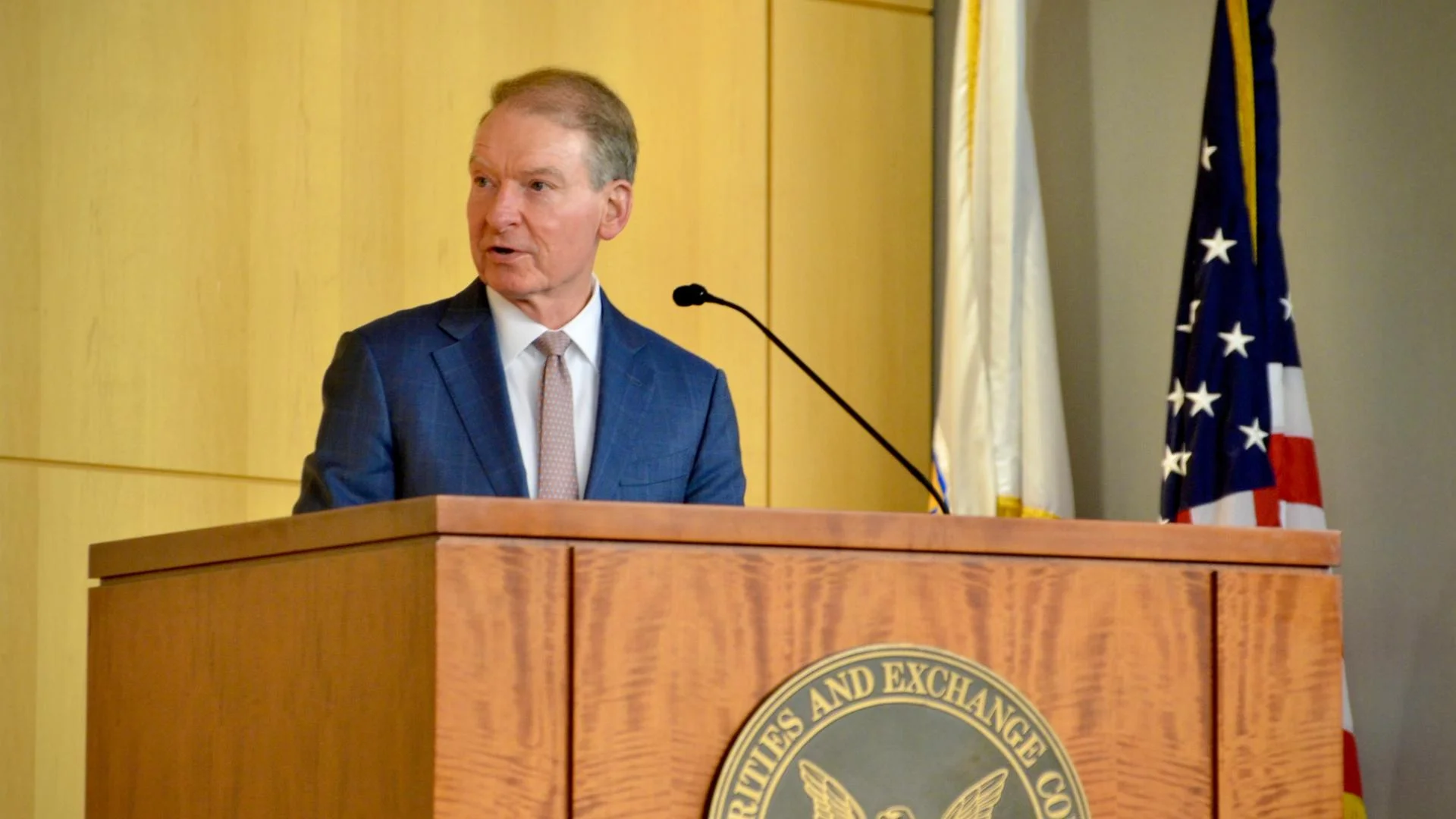
In a noteworthy shift, the U.S. Securities and Exchange Commission (SEC) is preparing to align its traditional trading hours with the around-the-clock trading habits seen in the cryptocurrency sector. This discussion echoes a broader trend where global financial markets are seeking to adapt to the fast-paced demands of modern trading. Recently, a roundtable at the SEC's Washington headquarters highlighted this transformative vision, coming right after the agency's approval of trading practices for tokenized securities.
Revisiting Trading Hours
Paul Atkins, an SEC commissioner, underscored the necessity of this transformation. He suggested that expanding trading hours would allow investors to respond more promptly to market developments that happen outside of conventional hours. "We're moving to a new day—and night," he remarked, a phrase that encapsulates the urgency felt by many in the financial sector. The traditional 9-to-4 trading window has long been seen as obsolete in a digital age where trades can happen at any time. Investors are increasingly looking for flexibility, and this proposed change could provide them with the nimbleness they desire.
However, this move also prompts a reexamination of market structure. Historical trading patterns established under a different technological regime could shift dramatically, impacting everything from liquidity to price discovery. Traders who are used to operating within a limited timeframe may need to adapt their strategies or risk missing lucrative opportunities. If you're working in this space, the implications are profound — the strategies you deploy might need a significant overhaul.
Tokenized Securities and New Exemptions
During the discussions, the SEC also announced a new exemption that aims to facilitate a smoother transition toward tokenized securities trading. This exemption grants firms a five-year period free from stringent securities regulations, allowing them to experiment with tokenization without excessive legal burdens. Tokenization could bring traditional assets into the digital sphere, making them more accessible and liquid.
Atkins believes this pivot toward tokenization could enhance efficiency in the securities industry. It’s about streamlining inventory management, reducing the likelihood of settlement failures, and mitigating risks associated with abusive naked short selling. The potential for a more agile trading environment is tantalizing. Yet, it's crucial to appreciate the caution Atkins emphasized — any change needs to create a favorable environment for growth while providing safeguards against detrimental market actions. Market integrity must remain a priority as new technologies are adopted.
Challenges Ahead
However, extending trading hours isn't without its challenges. Commissioner Hester Peirce voiced legitimate concerns regarding the impacts of trading in the middle of the night on market dynamics. Issues such as broader price spreads and increased volatility could arise, given that liquidity might not match that of daytime trading.
(And this is the part most people overlook.) With lower trading volumes often seen during off-peak hours, these risks may amplify price fluctuations, complicating trading strategies for both institutional and retail investors alike. There's also the risk of technological setbacks occurring when markets are less staffed.
Another concern Peirce raised was the risk of disruptive events occurring while offices are closed, where a single viral social media post could negatively impact stock prices. "These concerns are the real consequences of extending trading hours when human oversight is limited," she stated. This is a call to maintain a balance — any system changes need to account for human error and the potential for unforeseen disruptions.
The SEC’s Commitment to Change
Despite these potential drawbacks, the SEC seems to be committed to this expansion. Atkins assured attendees that “several needed preparations are already underway or in place,” implying that this significant shift is more than just talk—it's being actively pursued. The question remains: can the SEC navigate the complexities of these changes effectively? The agency's resolve will be put to the test as it attempts to balance innovation with regulation.
Implications and Future Outlook
The marketplace for trading is undoubtedly in a state of transformation as the SEC grapples with the increasing demand for a more agile financial system. As these discussions progress, the outcomes could potentially reshape the way securities trading is conducted in the U.S., marking a pivotal moment for the industry. This isn't just about longer trading hours; it reflects a shift towards a 24-hour marketplace that operates in real-time, accommodating global investors and ensuring responsiveness to announcements or events that could quickly alter market conditions.
The integration of 24-hour trading could bring several benefits, particularly for individual investors who might appreciate the flexibility it offers. One can envision a scenario where traders can react to news in real-time, minimizing losses or maximizing gains. However, the intricacies of risk management will become even more pronounced. Will the market be prepared to handle these nuances? The results of these changes may not unfold smoothly, and there will be much for traders and regulators to watch as we navigate this transition.


Discussion
Sign in to join the discussion.