Despite recent Fed rate hikes, Bitcoin displays resilience, sparking cautious optimism among traders as they navigate historical trends.
This is an excerpt from CoinDesk newsletter 'Daybook.' Sign up here, if you haven't already.
Interest Rates and Cryptocurrency Response
After the Federal Reserve's latest interest rate hike, cryptocurrencies found themselves on a surprising rally. Normally, an increase in interest rates would draw investors away from riskier assets like Bitcoin in favor of information-bearing investments. Yet, this situation seems to contradict traditional economic wisdom. At a first glance, such a response might appear illogical. However, history often serves as a reminder that market reactions can be unpredictable and even contradictory. Historical trends from previous Fed cycles, especially those from 2022, suggest that this rise in cryptocurrency prices could be a temporary phenomenon. Traders are advised to maintain a level of caution as they navigate these turbulent waters.
Currently, Bitcoin sits roughly 40% below its all-time high of $126,000, a record established in October of the previous year. This situation might sound eerily familiar to anyone who was following the market during the Fed's tightening measures initiated in March 2022. At that time, Bitcoin also hovered at about 40% below its peak, only to experience a short-lived rally of about 18% before undergoing a dramatic decline of roughly 50% over the subsequent months. This downturn was notably punctuated by the catastrophic collapse of the FTX exchange. A lot of traders experienced losses, and skepticism about the cryptocurrency market swelled. Thus, similarities between 2022 and the current market situation are striking.
Interestingly, while Bitcoin experienced a slight decline following the shelving of the U.S. Clarity Act, it hasn't shown the same level of downturn witnessed in 2022. Yet, caution should be exercised: the outflow from spot bitcoin funds remains a significant concern. During just this week, a staggering $746 million exited these funds. This is a clear indicator of investor sentiment shifting, creating apprehension regarding the asset's future stability.
Understanding Federal Reserve Actions
The current climate surrounding interest rates complicates the cryptocurrency narrative even further. Analysts are buzzing with speculation that the Fed may not stop its rate hikes at just one. Historical data backs this suspicion; there’s only been one instance since 1994 where the Fed raised rates solely once before pausing. Futures markets are currently indicating that a further increase of 75 basis points is likely in the next six months, suggesting a tightening that could further stress risk assets like Bitcoin. Goldman Sachs has even adjusted its projections to hint at another rate hike around October. Such changes could reverberate throughout the financial markets, and especially in sectors already fragile, like cryptocurrencies.
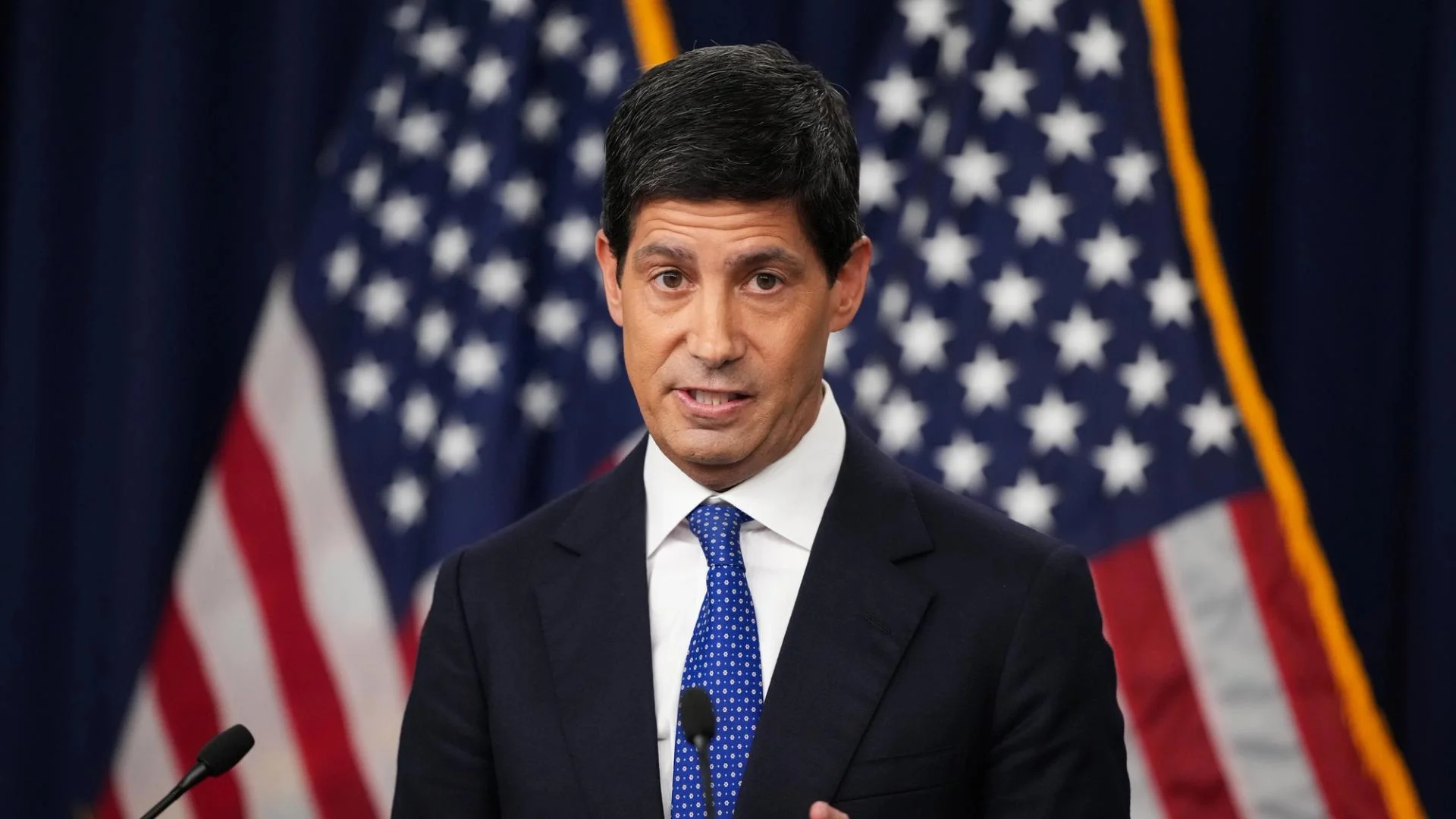
This tightening occurs against the backdrop of a supply shock that the Fed appears ill-equipped to address effectively. Core inflation has dipped to 2.4%, representing the lowest rate we've seen in five years, yet crude oil prices remain stubbornly elevated. Both Brent and WTI crude have surpassed $100, contributing to economic anxiety. Diesel prices in the U.S. have hit unprecedented levels, and the 10-year Treasury yield stands at a striking 5%. Fed Chair Kevin Warsh openly acknowledged the Fed's limitations in affecting specific price changes, reiterating that the Fed's aim is to stave off further relative price increases.
Understanding these dynamics is essential for anyone invested in cryptocurrencies. There's a sense of ambiguity that could lead to volatility. If you're working in this space, you'll want to keep a vigilant eye on Fed actions—they have a profound influence on market psychology and can shift sentiment significantly.
Market Sentiment and Emerging Trends
Amidst these tumultuous events, we’re starting to see flickers of market optimism poking through. Several cryptocurrencies have seen notable price movements recently. For instance, zcash has hit an all-time high, a clear indication that not all segments of the market are struggling under the weight of these economic pressures. Bitcoin has remained relatively stable despite facing regulatory challenges and the first rate hike in quite some time. As this month draws to a close, comparisons to last year will become increasingly difficult to ignore, especially as we approach the anniversary of the last major rally.
The U.S. Dollar Index (DXY) has surged to over 100 for the first time since late July, a direct consequence of the Fed’s recent hike of 25 basis points. This index serves as a barometer for the dollar’s strength against six significant currencies, suggesting a stronger dollar typically leads to rising interest rates. Such conditions can be challenging for risk assets like Bitcoin, as higher borrowing costs loom on the horizon. The situation isn't just complicated; it’s precarious.
The DXY’s maintenance above its 200-day moving average lends credence to the idea that the dollar's recovery could have some staying power. That said, this trend presents a substantial headwind for cryptocurrencies as global financial conditions begin tightening. The market sentiment is highly sensitive to these shifts, and any sustained momentum in the dollar could suppress upward movements in Bitcoin and other digital assets.
The Regulatory Landscape: Shifting Dynamics
As cryptocurrencies struggle with market fluctuations, the regulatory framework surrounding them continues to morph. The stablecoin sector, for instance, is transitioning into more regulated financial environments. In this environment, the Asia-Pacific (APAC) region is emerging as a critical proving ground for new rules and use cases. This evolution offers a nuanced perspective, particularly regarding RLUSD's impact, suggesting that a well-structured regulatory approach could enhance stability and investor confidence in the long run. For investors, this could signal a transitional moment, where the once unregulated nature of cryptocurrencies gives way to a more structured landscape.
Implications and Future Considerations
What does this all mean for you? The convergence of monetary policy, regulatory shifts, and market sentiment could shape the cryptocurrency ecosystem dramatically in the coming months. For traders and investors alike, understanding these dynamics can inform strategies. As history suggests, prices can be as volatile as they are unpredictable; caution is advisable. The rally experienced by cryptocurrencies, while enticing, may not last against the backdrop of potential further rate hikes and a stronger dollar. Whether this sentiment will hold, or whether investors will again retreat to safer pastures, remains to be seen. Get ready; staying informed is your best defense in a fast-moving sector.
Read more: For analysis of today's activity in altcoins and derivatives, see Crypto Markets Today. For a comprehensive list of events this week, see CoinDesk's "Crypto Week Ahead."
Disclosure & Policies: CoinDesk is an award-winning media outlet that covers the cryptocurrency industry. Its journalists abide by a strict set of editorial policies. CoinDesk has adopted a set of principles aimed at ensuring the integrity, editorial independence and freedom from bias of its publications. CoinDesk is part of Bullish (NYSE:BLSH), an institutionally focused global digital asset platform that provides market infrastructure and information services. Bullish owns and invests in digital asset businesses and digital assets, and CoinDesk employees, including journalists, may receive Bullish equity-based compensation.


Discussion
Sign in to join the discussion.