Goldman Sachs has shifted its forecast, now anticipating a Federal Reserve interest rate hike in October, moving away from previous expectations.
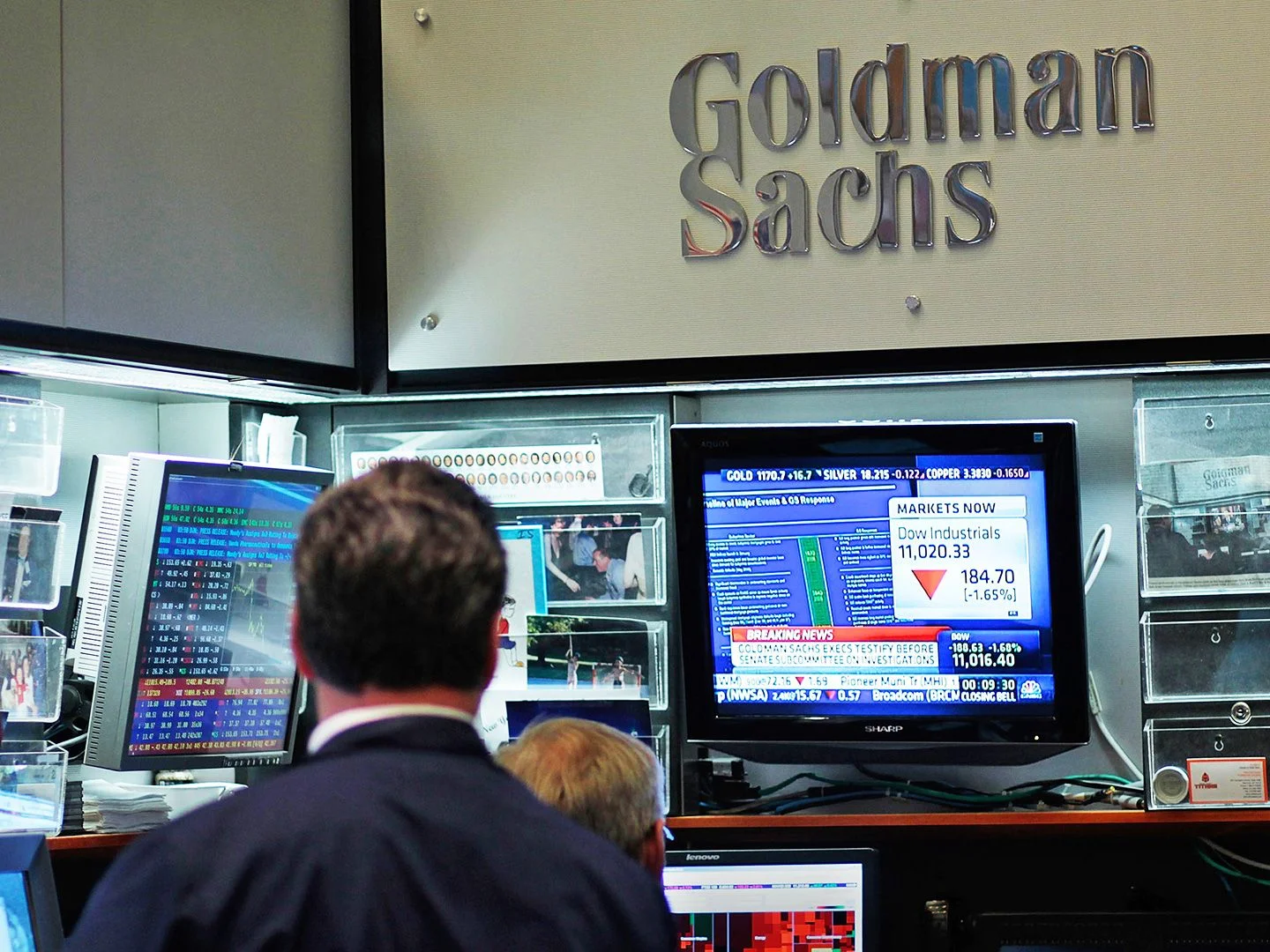
Goldman Sachs has changed its forecast, now believing the Federal Reserve will implement another increase to its benchmark interest rate in October. This marks a significant turnaround from its earlier prediction, which anticipated a rise in September followed by a temporary pause.
Shifting Economic Predictions
Goldman Sachs is not the only major financial institution reevaluating its outlook. Many analysts have been forced to reassess their predictions due to the fluid nature of economic indicators in recent months. Inflation data, employment rates, and consumer spending trends are all factors influencing these alterations. Historically, central banks like the Fed tend to respond to economic pressures such as rising inflation or weak growth, making these predictions not just educated guesses but reactions to tangible economic conditions. The Fed's decision-making process is influenced by a host of economic variables, and market sentiment can often sway these decisions dramatically.
Recent Rate Hikes and Implications
This adjustment follows the Fed's recent decision to raise rates by 25 basis points, bringing the current target range to 3.75%–4.00%. The latest projections released by the central bank indicate that a notable portion of policymakers expect one more rate adjustment before the year concludes. Such a shift can lead to a domino effect across various markets, impacting everything from mortgage rates to corporate borrowing costs. So, while Goldman’s revision may seem like a tactical adjustment, it underlines a more extensive uncertainty in economic management.
Fed Chair's Hawkish Commentary
In the post-meeting press briefing, Fed Chair Kevin Warsh emphasized a hawkish stance, expressing that inflation continues to be "too high." He described the recent hike as merely a reduction in policy accommodation. Many observers interpret this kind of rhetoric as a clear indication that the Fed remains vigilant against inflation, possibly at the expense of economic growth. When the Fed leader uses terms like "not yet restrictive enough," it sends a signal to markets: further hikes could be on the horizon, causing investors to brace for volatility.
Market Reactions and Predictions
Market traders are currently pricing in a little over a 50% likelihood of another 25 basis points increase in October, as shown by the CME’s FedWatch tool. This anticipation of an additional rate hike highlights how interconnected financial markets are with monetary policy. As interest rates rise, you’ll often see shifts in stock prices, bond yields, and commodity markets. Traders are looking for any indication from the Fed that may justify their strategies, often leading to speculative behavior that can amplify short-term market volatility.
Bitcoin's Status Amid Rate Changes
As if the stock and bond markets weren't enough to keep investors on their toes, Bitcoin is fluctuating around $76,260, reflecting a modest gain of 0.5% in the last 24 hours. Cryptocurrency markets often react differently to central bank actions compared to traditional financial instruments. Bitcoin's price can be influenced not just by macroeconomic factors, but also by the broader sentiment around digital currencies, regulatory changes, and global economic conditions. What's particularly interesting is how cryptocurrencies might serve as a hedge against traditional market fluctuations. Yet the ongoing volatility suggests that Bitcoin remains a risky asset in uncertain economic times, drawing both speculative and long-term investment interest.
The Rise of Stablecoins and Regulatory Context
As the financial landscape evolves, particularly with stablecoins gaining traction in regulated markets, the Asia-Pacific region is emerging as a testing ground. Stability in currency value is what draws many to stablecoins, particularly in regions experiencing significant economic volatility. A report outlines the regulatory framework, use cases, and the role of RLUSD within this dynamic environment. Stablecoins can bridge the gap between traditional finance and the digital economy, allowing for efficient transactions and limited fluctuations in value. However, challenges remain, particularly with regulatory scrutiny that could complicate their widespread acceptance.
Implications for Investors and Industry Stakeholders
The shifting rates and evolving regulatory environments come with palpable implications for various stakeholders. If you're working in this space, understanding these dynamics is essential for formulating investment strategies and risk assessments. An increase in interest rates may curtail borrowing, which can decrease consumer spending and investment in the short run. This might weigh on corporate performance, ultimately affecting stock prices.
There's an air of uncertainty as the market adjusts to possible further rate hikes. Investors need to keep a close watch on Fed announcements and economic indicators. As for the cryptocurrency space, the interaction between traditional finance and digital assets will significantly shape the landscape moving forward. Regulatory clarity is desperately needed for stablecoins to proliferate safely. Those who navigate these waters effectively stand to gain leverage, while those who hesitate may find themselves at a disadvantage.
Disclosure & Policies: CoinDesk is recognized for its in-depth coverage of the cryptocurrency sector, adhering to strict journalistic standards and principles aimed at maintaining independence and integrity. CoinDesk operates as part of Bullish (NYSE:BLSH), a firm focused on digital assets and market infrastructure.


Discussion
Sign in to join the discussion.