The Federal Reserve has increased interest rates by 25 basis points for the first time since 2020, signaling confidence in the economy's growth despite challenges.
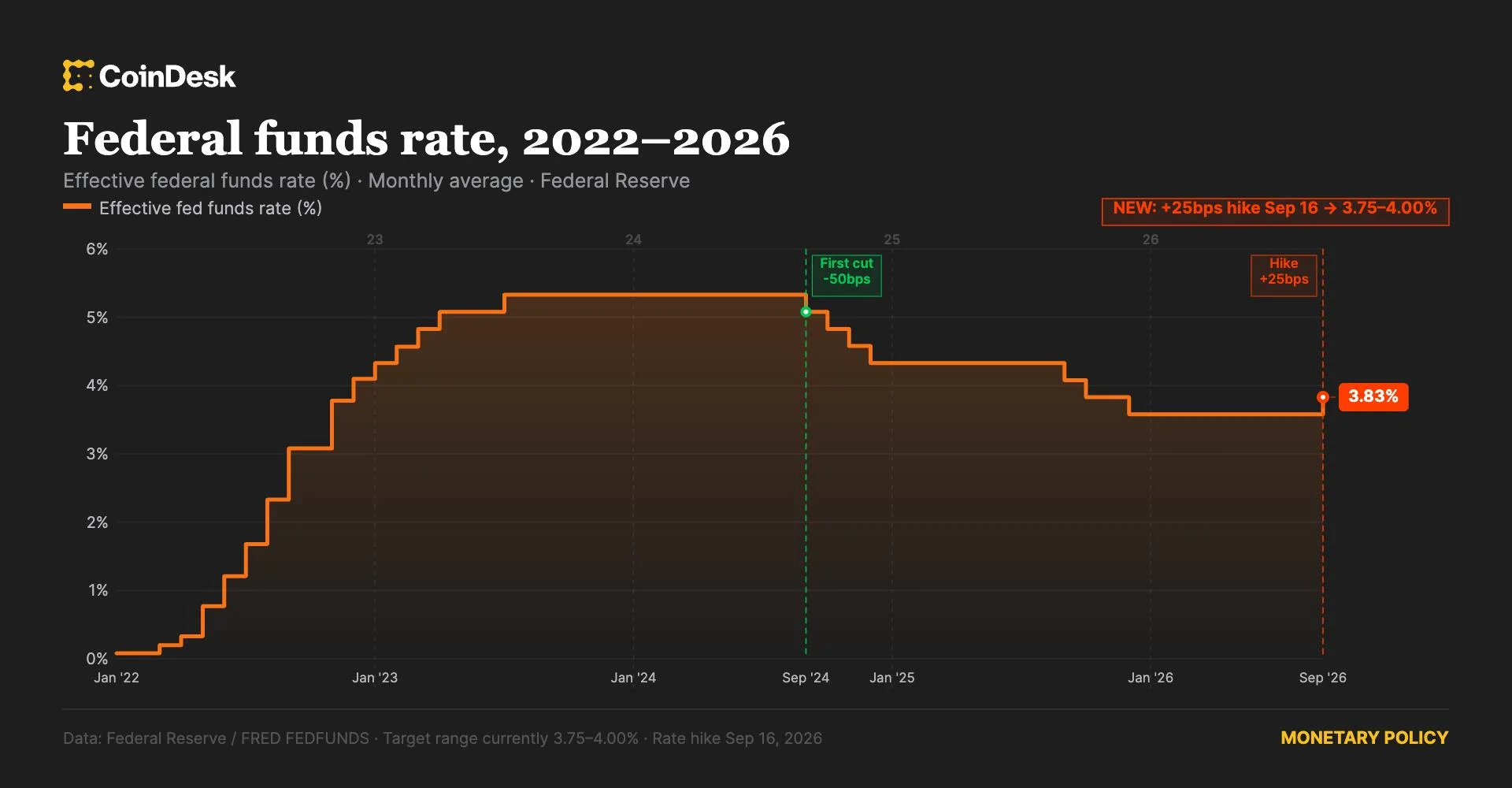
The U.S. Federal Reserve has taken a decisive step to adjust monetary policy, marking its first rate hike in over three years. On Wednesday, the central bank raised its benchmark federal funds rate range by 25 basis points, now set between 3.75% and 4%. This move reflects a significant shift in the Fed's approach, and it comes at a time when many stakeholders are grappling with the economic implications of such a decision.
Understanding the Rate Hike
This rate hike is a response to various economic indicators, including inflation that has remained stubbornly elevated. Typically, the Fed increases rates to cool off an overheating economy and to combat inflationary pressures. In this latest meeting, the Federal Open Market Committee (FOMC) indicated a shift towards a more hawkish stance — a noticeable change from the historically low rates that persisted during the pandemic to stimulate growth.
This unanimous decision highlights a collective belief among committee members regarding the need for a cautious approach to monetary tightening. While raising interest rates can effectively curb inflation, it also carries the risk of choking off economic growth. That's a delicate balance to strike. According to the “dots” forecast, there's an expectation for one additional rate increase anticipated in 2026. Although this timeline seems far off, the Fed's cautious optimism indicates they expect gradual improvement in key economic indicators.
Economic Context and Fed's Assessment
The Federal Open Market Committee (FOMC) stated, “Economic activity is expanding at a solid pace.” This statement reflects a nuanced understanding of the current economic climate, characterized by resilience in domestic spending even amidst global uncertainties. The committee acknowledged ongoing uncertainty, largely attributed to geopolitical tensions, yet noted that this resilience could provide a buffer against potential downturns.
Importantly, inflation continues to be a concern; indeed, it has been more than a passing challenge for the Fed over the past year. The consumer price index has seen significant increases, influencing the Fed’s decision-making. This latest policy action aims to support a quicker move towards the Committee's target of 2% inflation. They’re making it clear: they are committed to achieve price stability, a goal that is often easier said than done.
Market Reactions and Immediate Impacts
In the immediate aftermath of the announcement, Bitcoin exhibited volatility but remained relatively unchanged at around $75,700. Interestingly, the digital currency has been caught in a broader discussion around monetary policies, with its value often reacting sharply to Fed decisions. U.S. stocks showed modest gains, indicating a mix of investor apprehension and optimism. The slight uptick in equities may suggest that market participants are still processing the implications of higher interest rates. Meanwhile, bond yields experienced a slight dip, signaling a complex interplay between investor sentiment and Fed policy.
This volatility isn’t surprising, especially given the current economic climate where each monetary policy shift can influence not just traditional markets but also emerging ones like cryptocurrencies. This uncertainty is something that every investor should keep an eye on, especially if you're working in this space.
Future Communication from the Fed
Fed Chair Kevin Warsh is set to address the media in a press conference scheduled for 2:30 PM ET, where insights into the decision-making process and future expectations may provide further clarity. Given the Fed's attempt to communicate transparently about its goals and methods, this could be a pivotal moment for market participants. They'll be looking for guidance on how aggressive future rate hikes might be and whether the Fed perceives any additional threats to economic stability.
The press conference will likely cover potential hurdles ahead as well. With global uncertainty surrounding geopolitical events and economic indicators, the Fed's discussions will shed light on its strategic priorities for the remainder of the year. Investors should pay close attention to any hints of future policy changes. What this means for you, if you’re following the Fed’s trajectory, is that such briefings could lead to significant market adjustments.
Emerging Trends in Stablecoins
Meanwhile, the dynamics of stablecoins are evolving in APAC, which is becoming a significant testing ground as these digital currencies transition into regulated finance. The ongoing developments present a sharp contrast to Fed policies in the U.S., illustrating how different regions are tackling the challenges of digital finance. An upcoming report will explore the regulatory frameworks, practical applications, and the role of RLUSD in this changing environment. The implications here are broad, as regulatory clarity can potentially influence market stability and investor confidence.
Implications and Significance of Current Trends
These adjustments by the Fed do more than just influence interest rates; they signal a broader economic strategy that affects employment, consumer spending, and investment. As the central bank navigates through this terrain, businesses and individuals must remain vigilant. The balance between encouraging growth and curbing inflation is a tightrope walk that requires careful monitoring of economic indicators.
As we look ahead, it's clear that the Fed's decisions will shape the economic landscape. Adapting to these changes may not be straightforward for many sectors. This is more significant than it looks; how the Fed reacts to domestic spending trends, inflationary pressures, and global uncertainties will reverberate across financial markets and economies worldwide. And while stablecoins offer a glimpse into the future of finance, their success hinges on regulatory clarity and adoption.
Disclosure & Policies: CoinDesk is an award-winning media outlet that covers the cryptocurrency industry. Its journalists adhere to a strict set of editorial policies, ensuring integrity and independence in reporting. CoinDesk is a part of Bullish (NYSE:BLSH), a global digital asset platform that provides essential market infrastructure and services, where CoinDesk employees may receive equity-based compensation.


Discussion
Sign in to join the discussion.