The iOS 27.2 beta unveils a revamped Health app with new tabs, delivering enhanced insights and personalized health metrics for users.
Introduction to the Health App Overhaul
Apple’s recent unveiling of the iOS 27.2 beta showcases a reimagined Health app, a significant shift from previous versions. This redesign, initially teased at the September iPhone event, aims to enhance how users track and interpret their health data. With health and wellness becoming ever more critical for consumers, Apple's focus on user-friendly data presentation aligns with broader trends in the tech and health industries.
Insights and Longevity Tabs
The new Insights tab delivers immediate access to a range of health metrics, helping users connect dots between their activities and overall wellness. Users will find details on Activity Rings, heart rate, and sleep scores, which are integral to understanding daily performance. This feature is especially timely, as modern consumers increasingly seek actionable insights into their lifestyles. While Apple has promised personalized guidance as a future update, even the current suite of features offers a more holistic view of health data.
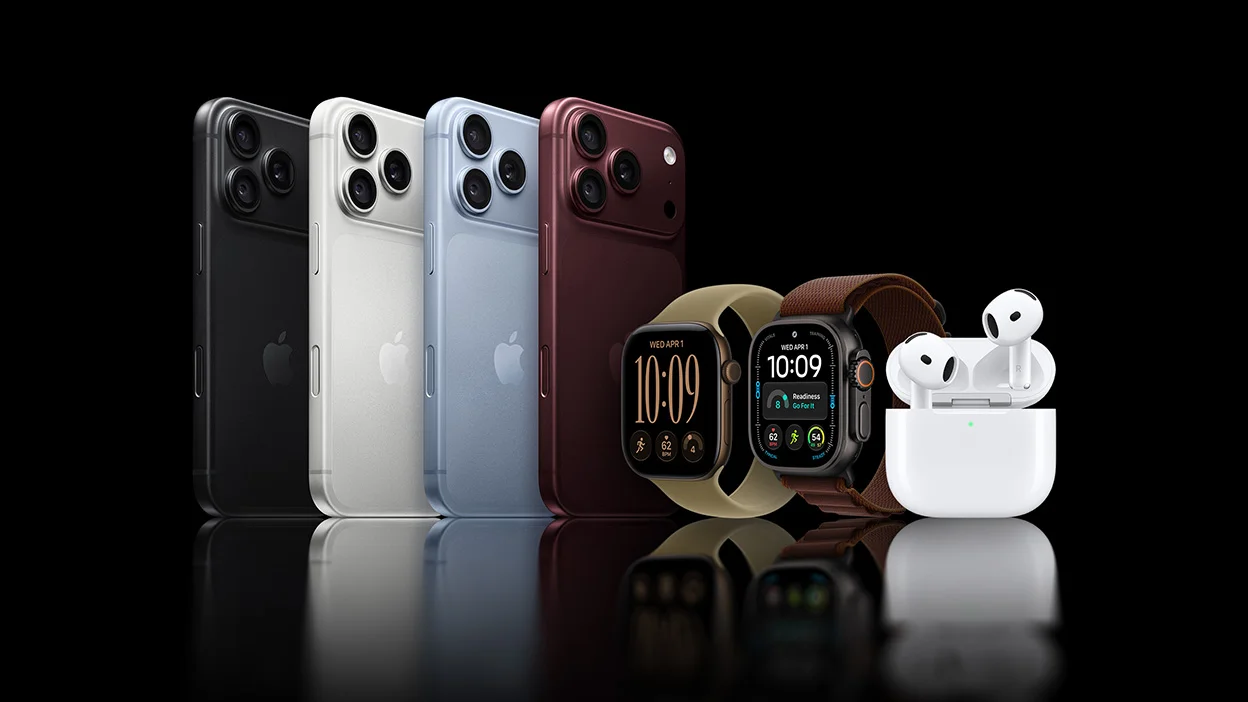
For users of the Apple Watch Series 12 and Ultra 4, the app takes integration a step further by calculating a readiness score. This score merges data from activity levels, vital signs, and sleep quality, acting as a decision-making tool for fitness enthusiasts. Should you rest or persevere in your workout routine? This feature gives users more information for better choices about their health journeys.
And yet, some might question whether one app can effectively synthesize such diverse data types. Health metrics can vary widely in how they're perceived and applied personally. The real challenge for any health app lies in translating raw data into actionable insights meaningful to the user.
Understanding Health Age
The Longevity tab provides a deeper temporal analysis, allowing users to determine their Health Age. This metric is calculated through various factors including activity levels and VO2 max. Interestingly, this type of analysis caters to a growing demographic interested in wellness metrics that extend beyond traditional medical check-ups. People want to understand not just their current fitness state, but how it compares to their potential physical capabilities.
The ability to assess physical skills like flexibility and balance via the iPhone marks a shift toward greater accessibility in health evaluations. It removes several barriers to entry that often plagued personal health assessments. (And this is the part most people overlook.) Additionally, Apple’s partnership with Quest Diagnostics is noteworthy. By introducing a $119 laboratory panel, Apple is effectively placing a clinical tool in the hands of everyday users. This development holds promising potential, especially with the option for users to upload existing lab results, enhancing the utility of the Health app.
Device Integration and Future Availability
This enriched user experience hinges on device compatibility; an Apple Watch or compatible fitness equipment is essential for getting the most out of the app. While testing is in progress for the beta version, the full release is yet to come, leaving users eagerly awaiting the finalized features. Apple’s decision to split the rollout hints at careful refinement, possibly reflecting lessons learned from previous app iterations. It’s not just about adding features; it’s essential to ensure they work together effectively across devices.
For users heavily invested in the Apple ecosystem, this redesign signifies a potential shift toward more integrated health management. If you're working in this space, you might consider how these new features can enhance both physical well-being and digital engagement. There's a certain promise in Apple’s new direction; however, questions linger about widespread usability. Will all users find the new features appealing or user-friendly? The tech giant’s recent history does suggest they need to tread carefully to maintain user trust and satisfaction.
Implications and Future Outlook
The shift in Apple's Health app embodies a broader trend in consumer tech, where personalization and data interactivity are paramount. Health metrics are not just numbers anymore; they are narratives about personal wellness journeys. Users are now positioned to take more control over their health, but the implications stretch beyond individual functionality. This advancement could lead to changes in how health data is perceived in the larger healthcare system.
The partnership with Quest Diagnostics also hints at possible future paths. As users become accustomed to integrating clinical data with personal metrics, we might see a rise in hybrid health applications that combine consumer gadgets with formal health assessments. This isn't just a contest for tech supremacy; it reflects a shift toward a more engaged consumer who demands transparency and control over their health data.
This evolving app isn’t merely an upgrade; it prompts deeper questions about ownership of personal health data. Are users prepared to share their sensitive information for a richer experience? How much trust will they have in the recommendations that the app provides? These are significant considerations as Apple rolls out its new app features.
This article, "Apple's Health App Redesign in iOS 27.2 Beta Introduces New Features for Health Monitoring" first appeared on MacRumors.com
Discuss this article in our forums


Discussion
Sign in to join the discussion.