Explore how optimized research workflows can improve data science practices for better results and publishability.
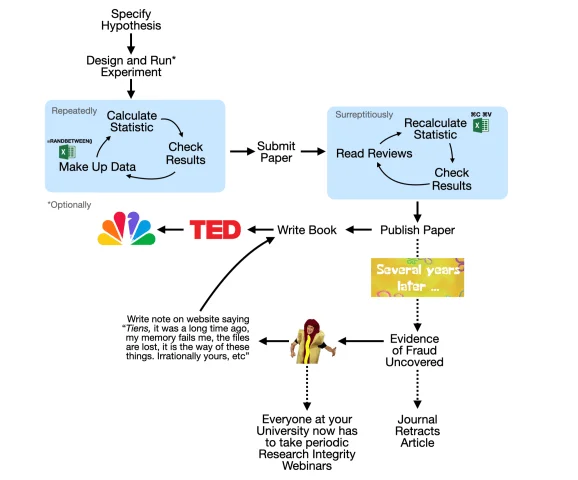
As I teach MPTC this semester, I've been focusing on crafting effective workflow slides. One of the standout visuals I've developed captures a widely accepted data science workflow. This workflow encapsulates what has become a foundational approach in data science, illustrating the systematic steps from data collection to analysis and ultimately, insight dissemination. Understanding these steps is vital for anyone hoping to navigate the complexities of data-driven research.
The Significance of Effective Workflow Slides
Effective communication is crucial in any instructional setting, but it takes on added importance in the technical discipline of data science. Workflow slides serve not just as visuals, but as a roadmap that guides students through the intricate terrain of data processes. They bridge the gap between complex theories and practical applications. By breaking down the workflow into digestible parts, educators can enhance student comprehension and retention, making abstract data science concepts more concrete. Moreover, such slides provide a common language that unites learners, enabling them to engage in discussions with a clear frame of reference.

The Scientific Process.
Understanding the Data Science Workflow
The data science workflow generally follows a few key stages: defining the problem, collecting data, exploring and preparing data, modeling, and finally evaluating and communicating results. Each phase plays a critical role in ensuring that the research process is not only effective but also reproducible. For example, data collection methods must align closely with the research question to avoid biases that could skew the results. Similarly, preparation and exploration of data require a keen understanding of data types, standardization techniques, and cleaning procedures, often influencing the project’s outcome significantly.
At a glance, modeling might seem like the most technical part of this workflow, but that perception belies the intricate interplay of earlier phases. A well-conceived model can yield invaluable insights; however, without rigorous data preparation and a clear problem definition, even the most sophisticated algorithms may lead researchers astray. This dynamic makes each part of the workflow interconnected, creating a tapestry of dependencies that impacts the final outcome, reinforcing the need for clarity in each phase.
Teaching and Learning Principles
When illustrating these workflows, the choice of visuals becomes pivotal. A cluttered or overly complex slide can do more harm than good, overwhelming learners rather than clarifying. This is where minimalist design philosophies often come to bear. Simple icons, connected arrows, and a rational flow improve cognitive retention and allow students to focus on the substantive content rather than being distracted by theatrics.
But there's more than just aesthetics at play. The underlying pedagogical principles guide how effectively information is transmitted. Research in cognitive science suggests that visuals can enhance memory retention when they complement verbal information. This synergy is particularly salient in data science, where frameworks like the one being taught act as scaffolding for students grappling with abstract concepts. This collaboration between visual and verbal learning modalities often fosters deeper understanding.
Webinars and Professional Development
Currently, I'm preparing to attend a webinar, focusing on expanding my own understanding of research workflows. Events like these provide an opportunity for practitioners and educators to share insights and refine their methodologies. In the fast-paced, high-stakes world of data science, continuous professional development is key. These platforms also allow for networking, where individuals can share challenges and brainstorm solutions in an evolving tech landscape. This collective knowledge-sharing not only aids personal growth but serves to elevate the entire field by propagating best practices and innovative thinking.
Implications for Future Research
The implications of adopting a clearly defined data science workflow extend beyond merely improving individual projects. The enhanced publishability of research results, as indicated in the visual accompanying this discussion, positions scholars favorably within the academic community. Research that is organized and well-presented gains a higher chance of being accepted and cited, thereby influencing broader discourse within the field.
Moreover, as the relevance of data science expands across various industries, from healthcare to finance, the ability to clearly articulate and visualize workflow processes becomes increasingly significant. If you’re working in this space, consider how adopting detailed workflows in your own projects could elevate not only your work but also the larger conversation around data science. What this means for you and your colleagues is an enhanced framework for collaboration, making research findings more accessible and actionable.
As we look ahead, the need for systematic research approaches will likely grow in prominence, fostering environments where clarity and organization are championed. And yet, this emphasis on structure should not eclipse the creativity and intuition essential for groundbreaking discoveries. That equilibrium between rigorous methodology and creative exploration is where the true potential of data science lies.
R-bloggers.com offers daily e-mail updates regarding R news and tutorials about learning R and many other topics. Click here if you're looking to post or find an R/data-science job.
Want to share your content on R-bloggers? click here if you have a blog, or here if you don't.



Discussion
Sign in to join the discussion.