Samsung's rumored Galaxy Z TriFold 2 aims for a lighter, more durable design but faces market and component cost challenges echoing the original model's difficulties.
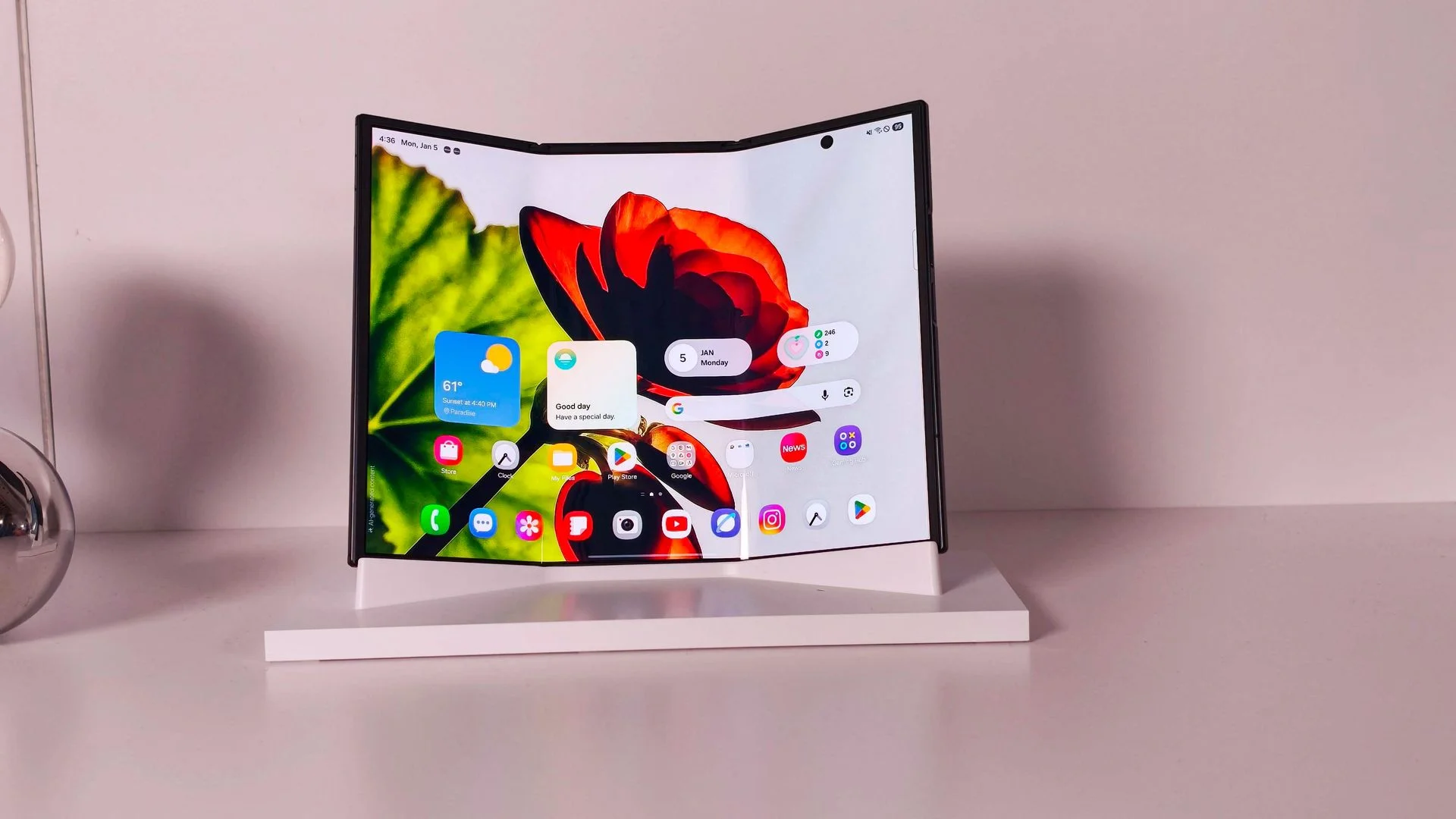
Rumored Features of the Galaxy Z TriFold 2
Word has it that a successor to the Samsung Galaxy Z TriFold may debut in 2027. According to tipster Lanzuk on Naver, the purported Galaxy Z TriFold 2 could be designed to be thinner, lighter, and "more durable," with a price point potentially around $2,899, similar to its predecessor. This blend of updates suggests Samsung is taking customer feedback seriously while aiming to improve the structural integrity of the device, especially its hinge and display, which were points of concern with the original model.
The ambition to make the Galaxy Z TriFold 2 thinner and lighter indicates a shift in design focus. Historically, foldable phones have struggled to balance durability and portability. The fact that Samsung seems to be prioritizing these enhancements is significant. Folding mechanisms, especially when faced with everyday wear and tear, often become points of failure. A durable hinge and display could enhance user trust and possibly expand the device's appeal. Embedded in this innovation narrative is also the challenge of ensuring that increasing lightness does not compromise the materials' integrity.
Market Reception and Predecessor's Performance
The first Galaxy Z TriFold came with its share of hurdles. Launched amid high component costs, its price tag ultimately limited its market reach, lasting just three months before Samsung halted sales. The initial device was positioned as a "limited release," an approach that might also characterize the next iteration. As such, the question looms: will customers justify spending nearly $3,000 on a folding gadget? Given its niche appeal, this pricing strategy could face significant scrutiny.
For context, the debut of the original Galaxy Z TriFold didn’t just hit a technological wall; it ran into the harsh reality of a premium price bracket during unstable market conditions. The high costs of components raised eyebrows, and consumers were hesitant to invest heavily in an unproven concept. This price sensitivity isn't likely to have changed much by 2027; consumers tend to expect increased value and functionality for their money, especially when it comes to flagship devices. If you're working in this space, you know the uphill battle ahead for Samsung in justifying this price point again. Will they convince prospective customers of the value in a folding design, or will the faintly flickering excitement around foldable tech fizzle out?
Looking Ahead to Future Developments
As anticipation builds for the TriFold 2, there are also whispers of a "slideable" Samsung device on the horizon. This could represent a noteworthy addition to their product lineup, as Samsung has showcased rolling and sliding screen concepts over the past few years. If executed successfully, it might capture a wider audience beyond current foldable enthusiasts.
This is where Samsung's vision appears quite ambitious. Slideable devices could offer a new way to experience smartphones, potentially combining the benefits of a large screen with the compactness of a traditional phone. Yet again, execution will be pivotal; previous attempts at novel designs can often feel gimmicky without clear practical benefits. Maintaining a simple user experience while delivering a futuristic design has been a challenge for many tech companies. And this is the part most people overlook: while a flashy concept can drive initial buzz, sustained market interest will require proven utility and performance.
Analyst Insights
Pricing remains a critical factor for the TriFold 2's success. The original model, priced at $2,800, prompted many to question the practicality of premium folding devices. The looming question of whether a sequel's cost will exceed $3,000 could dissuade potential buyers, steering them towards more affordable options in their tech budgets.
Analysts are closely monitoring consumer behavior and sentiment as the tech sector grapples with wider economic uncertainties. If Samsung pushes forward with the TriFold 2 while maintaining a similar price structure, they might face fierce resistance. Premium devices often rely on a compelling value proposition, but the high price of folding devices might be hard to justify, especially when consumers can obtain highly capable non-folding alternatives for significantly less. Disposable income for luxury tech isn’t only shrinking; consumer priorities are shifting.
Despite the risks, if Samsung pushes forward with the TriFold 2, it might need to address previous manufacturing woes. The rising costs of components continue to pose challenges, raising further concerns about the financial viability of a second installment. As Samsung navigates these tumultuous waters, the choices they make now could indeed shape how they approach future innovations in the foldable segment and determine their market strategy. A cautious approach—balancing cost, durability, and consumer appeal—could pave the way for not just this specific model, but set standards for the future of their entire foldable lineup.
Implications and Future Outlook
The noise around the Galaxy Z TriFold 2 is both a challenge and an opportunity for Samsung. If they manage to address the flaws of the original model while innovating with features like sliding screens, they could redefine how consumers view foldable devices. Yet, as analysts have pointed out, the pricing strategy needs reconsideration. Will higher costs correlate with higher sales? Or will consumers gravitate toward more sensible options as they grow increasingly price-sensitive during uncertain economic times?
As we look toward the future, different paths could emerge. Samsung may have the resources and brand influence to forge ahead into a market of high-end foldables. Alternatively, they could learn from the pitfalls of their predecessors, recalibrating their approach. Whatever route they take, the buzz surrounding the Galaxy Z TriFold 2 will undoubtedly be a major talking point in tech circles, driving discussions around foldable technology and beyond.

Discussion
Sign in to join the discussion.