Samsung may hike the Galaxy S26 prices amid rising component costs, raising concerns about consumer affordability as the launch approaches.
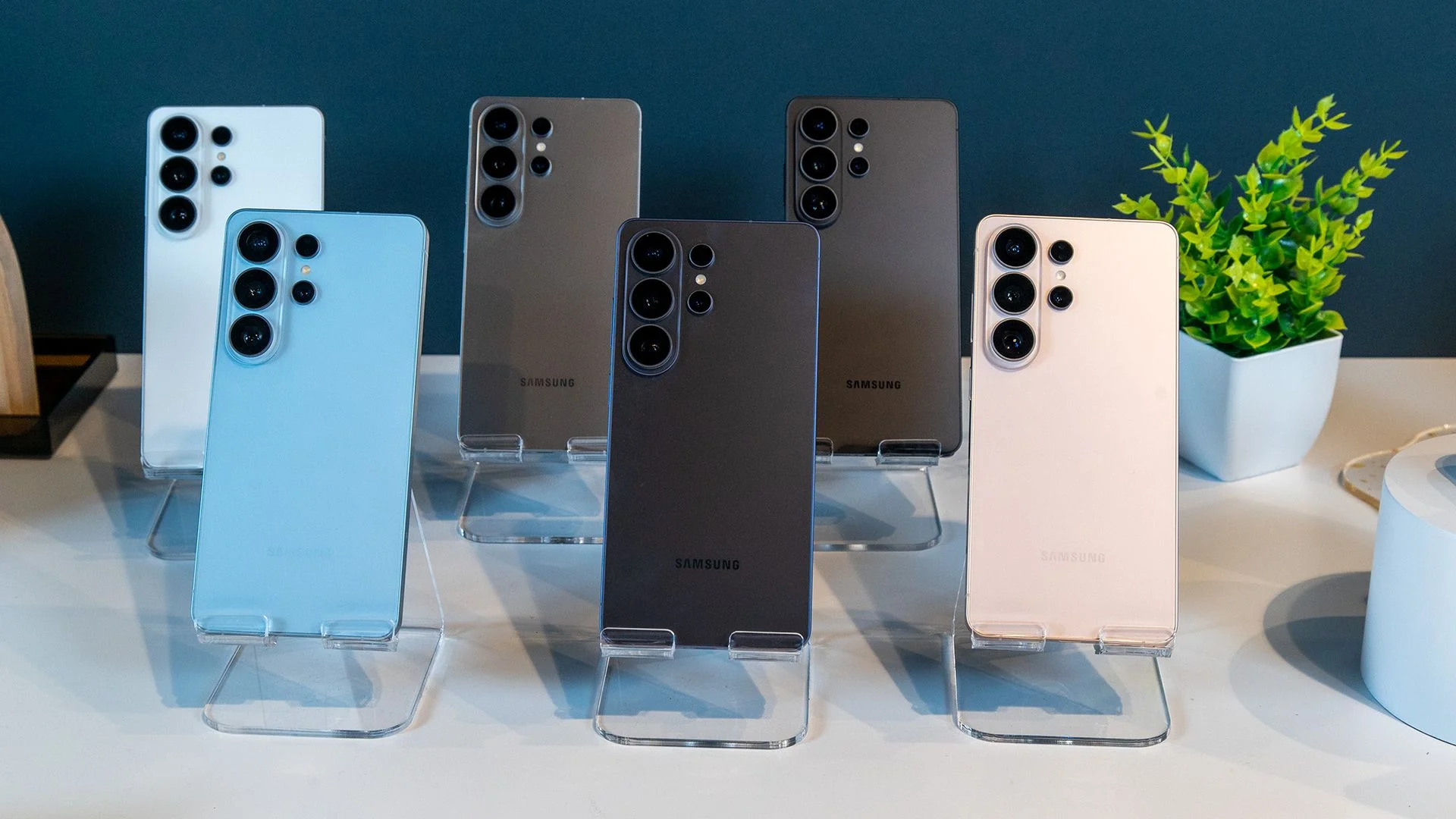
The impending launch of Samsung's Galaxy S26 series might come with unexpected news for consumers: a possible price increase. Recent reports suggest Samsung is contemplating raising prices by about $100, which translates to roughly 149,000 KRW. This potential adjustment comes as the tech giant grapples with challenges in maintaining its pricing structure due to escalating costs of components like RAM and memory.
According to Hans Economy, Samsung is facing pressure in the smartphone market that could lead to these increases specifically in Korea. However, the company has publicly commented that it has yet to finalize any decisions, stating they're "internally reviewing" the situation. This indicates the situation is fluid and subject to change, with official confirmation expected as early as October.
Current Trends in Pricing
In recent years, we’ve seen prices for smartphones and various tech gadgets surge, and Samsung's current predicament isn’t isolated. When the Galaxy S26 debuted, it already carried a price tag approximately $100 higher than its predecessors, the S25 and S25 Plus, while the S26 Ultra maintained its previous price. Despite the uptick, sales numbers revealed that demand remained high, especially for the Ultra model, which accounted for a staggering 71% of sales in its initial weeks.
Factors driving these trends include inflation and shortages in key components. Prices for memory chips, for instance, have seen observable increases due to global supply chain constraints. This will resonate with consumers who might feel squeezed by their own budgets. Just because a product is in demand doesn't mean consumers are willing to pay significantly more for it. The strong performance of the Galaxy S26 Ultra could be attributed to its powerful features, including the new Privacy Display. However, questions linger about whether potential price hikes will deter customers in an already strained economy that’s seeing increases in various sectors. It's quite possible that while some may upgrade eagerly, others might hold back, hoping for better deals as the market evolves.
A History of Price Adjustments
Samsung's pricing strategies have raised eyebrows in the past, particularly in April when the U.S. market experienced dramatic increases for products like tablets. The Galaxy Tab S11 Ultra's price went up by $280, leading to consumer frustration. This event highlights a growing trend of steep price hikes across various categories that many consumers can't overlook. Such sharp increases raise critical questions about consumer behavior and spending power. Many shoppers are weighing the necessity of upgrading against their budgets, often leading them to postpone purchases or seek alternatives. The shift in consumer sentiment can sometimes change the trajectory of an entire product line.
Implications of Price Hikes
If Samsung goes through with these price increases, the implications could be substantial. Increased costs could impede the brand's ability to attract new customers while risking alienation of loyal ones who have been priced out of newer models. This predicament isn't just about numbers; it's about perception. Consumers often interpret price changes as a signal of a brand's value or market position. If you’re working in this space, understanding how consumers view their purchases is crucial. A price hike may lead to a perception of the Galaxy S26 as less accessible, which ultimately may shift market focus toward mid-range competitors that promise similar features without the premium price tag.
Looking Ahead
With economic factors pushing for higher prices, it’s essential for consumers to strategically evaluate their purchasing choices. As Samsung assesses the financial implications of potential hikes, the broader tech market must be vigilant. If consumers begin to retreat from upgrading frequently due to price sensitivity, it may signal trouble ahead for manufacturers reliant on consistent sales growth. In a market already filled with uncertainty, the balance between innovation and affordability is delicate.
What this means for you, the consumer, is that now might be the time to reassess your gadget needs. Many people are feeling the squeeze of economic pressures, with inflation affecting daily expenses. (And this is the part most people overlook) Many might decide that holding onto their current devices a little longer is wise, especially if upgrades don’t come with enough new features to justify the cost. Brands will have to adapt or risk losing ground in a sector increasingly focused on value rather than just performance.
Ultimately, the anticipated price changes for the Galaxy S26 series reflect broader trends in the tech industry, where affordability remains a key concern for consumers navigating a changing market. This isn't just another price bump; it could represent a pivotal shift in how companies engage with their customer base. For both consumers and tech manufacturers, the future could depend on adaptability and consumer sentiment that’s as unpredictable as the market itself.

Discussion
Sign in to join the discussion.