Apple's latest iPhones introduce key features that could enhance the Android experience, from advanced displays to innovative software.
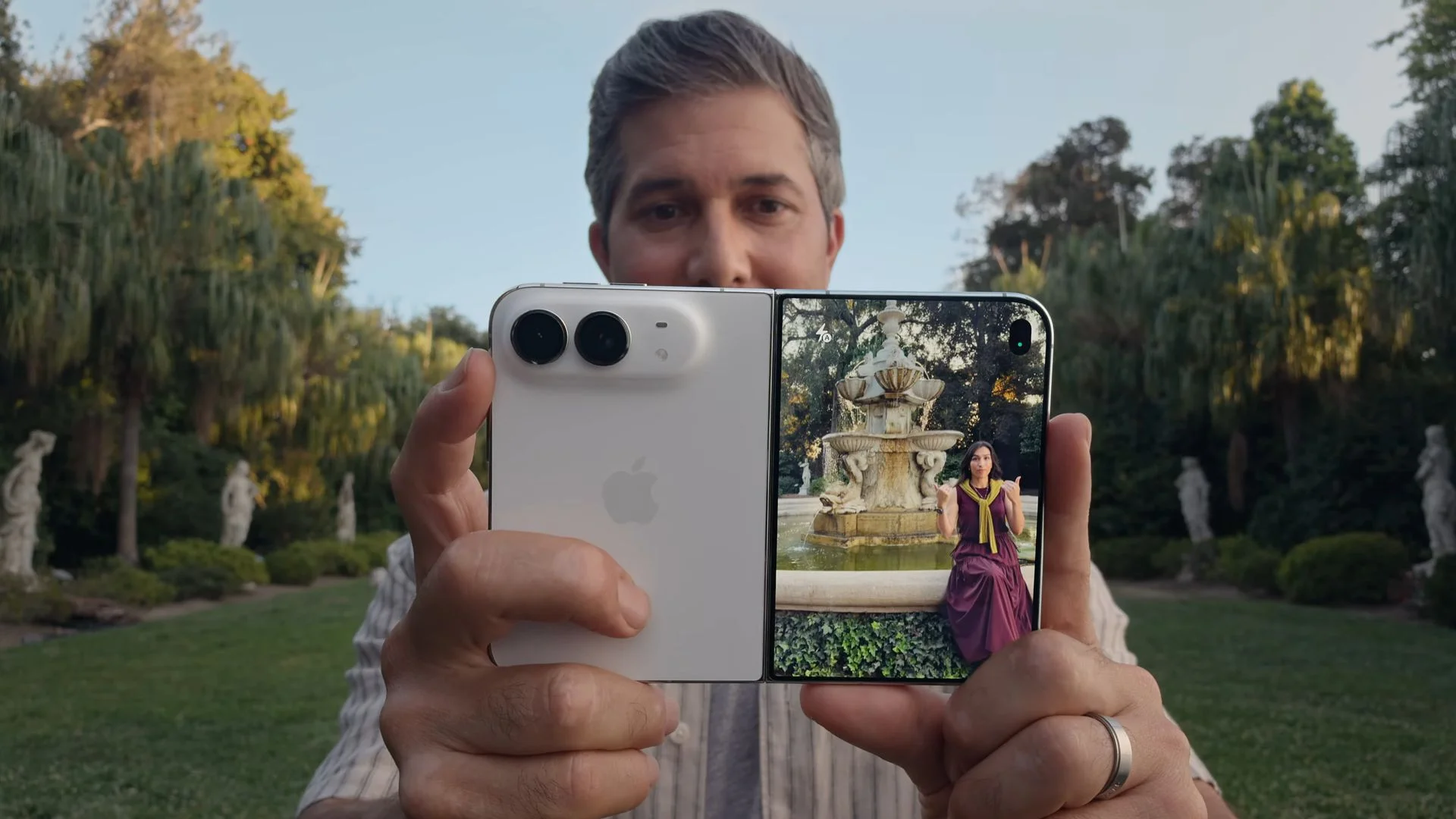
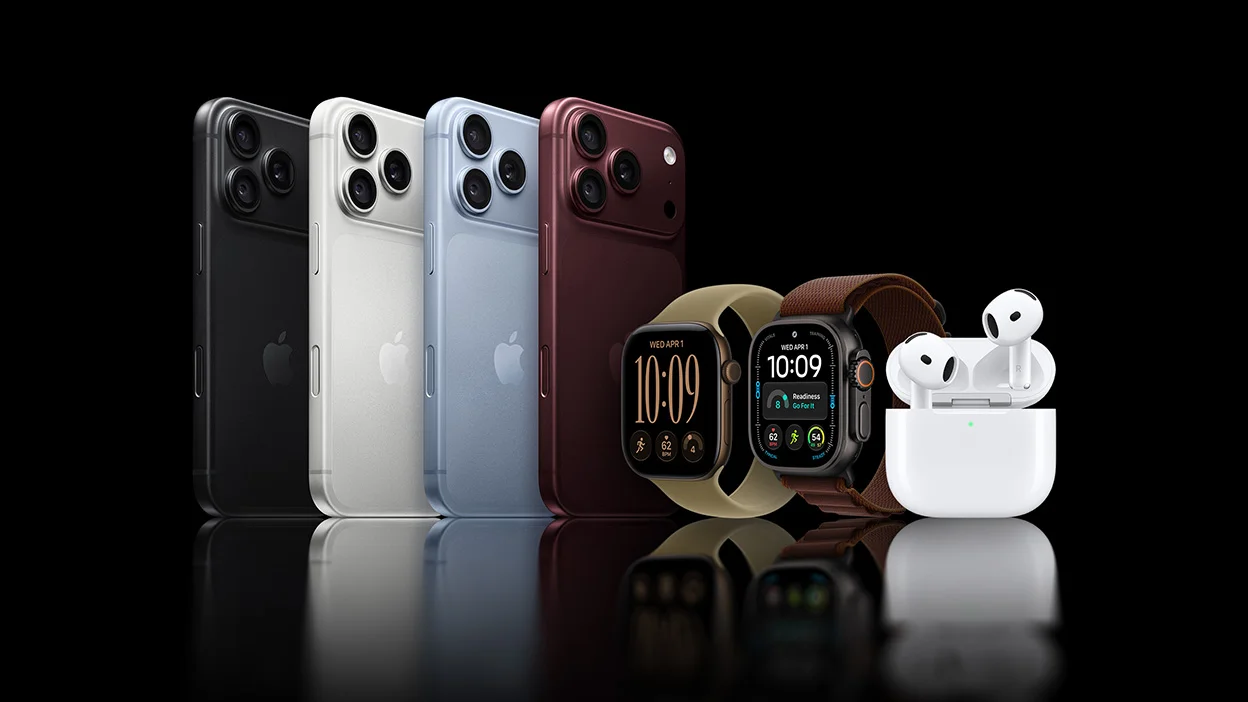
Apple's foray into foldable smartphones with the launch of the iPhone Duo marks a significant shift in their product lineup. Alongside this flagship, the company also unveiled the iPhone 18 Pro and iPhone 18 Pro Max, both of which incorporate substantial upgrades and new functionalities that have the potential to influence Android manufacturers. While Apple has historically taken inspiration from Android, there are several components of the new iPhones that could greatly benefit the Android ecosystem if adopted.
The Foldable Nano-Texture Display
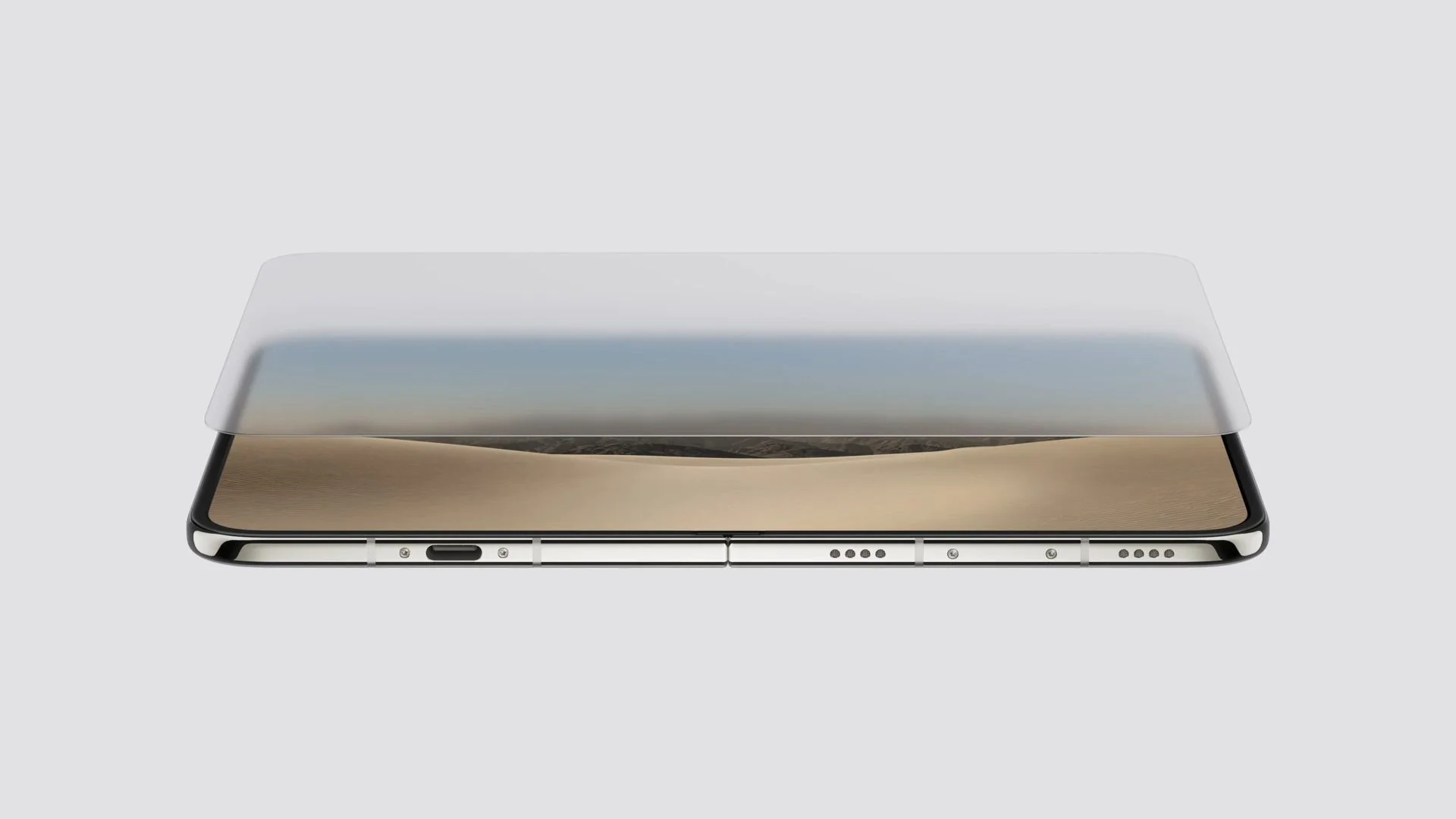
The iPhone Duo's display introduces a matte, nano-texture finish that enhances visibility and reduces glare, effectively hiding the intrinsic crease that comes with foldable designs. This clever implementation addresses common issues faced in existing Android foldables that frequently utilize glossy plastic surfaces. The matte coating minimizes reflections and fingerprints, creating a more practical device for everyday use, while also offering a visually appealing finish. Apple’s decision to prioritize functionality in their design could set a new standard for future Android foldables. If you're working in this space, this design shift might push Android manufacturers to rethink their approach to display technology.
Revisiting Under-Display Cameras

Apple's introduction of an under-display camera (UDC) in the iPhone Duo might reignite interest in this feature among Android brands. While Android pioneers like Samsung initially embraced UDC technology, it has since been sidelined in favor of hole-punch designs that can disrupt content layout. The UDC in the iPhone Duo is discreet enough to ensure a more immersive viewing experience, especially in various device orientations. By capturing 1080p video, the camera becomes a practical tool for video calls, striking a balance between aesthetics and functionality that many users will appreciate. This could lead to a resurgence of UDC technology in Android devices, emphasizing a more immersive usage experience.
Innovative Variable Aperture Technology
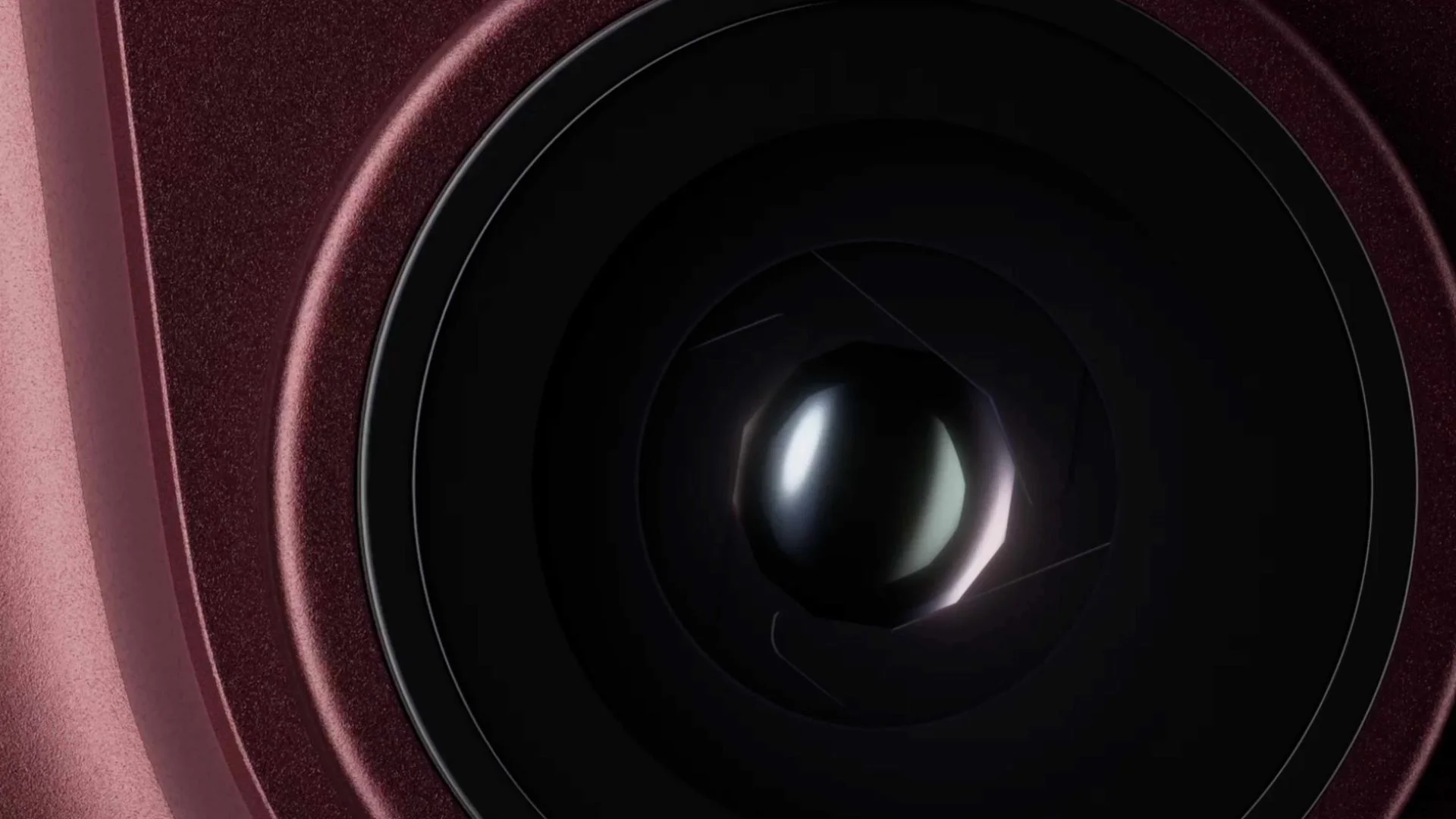
The iPhone 18 Pro introduces a variable aperture feature, which allows the camera's aperture settings to shift between f/1.8 and f/4.0. This capability has been an aspiration for photographers using smartphone cameras, but successfully implementing it is no small feat. Achieved through six laser-cut blades that adapt to different lighting conditions, this feature enhances users' control over their photography without needing multiple lens options. Integrated software for manual adjustments further enhances versatility. Users increasingly want advanced camera options; this could herald a return to similar implementations in Android devices, pushing the boundaries of mobile photography.
iPhone Handoff Capability
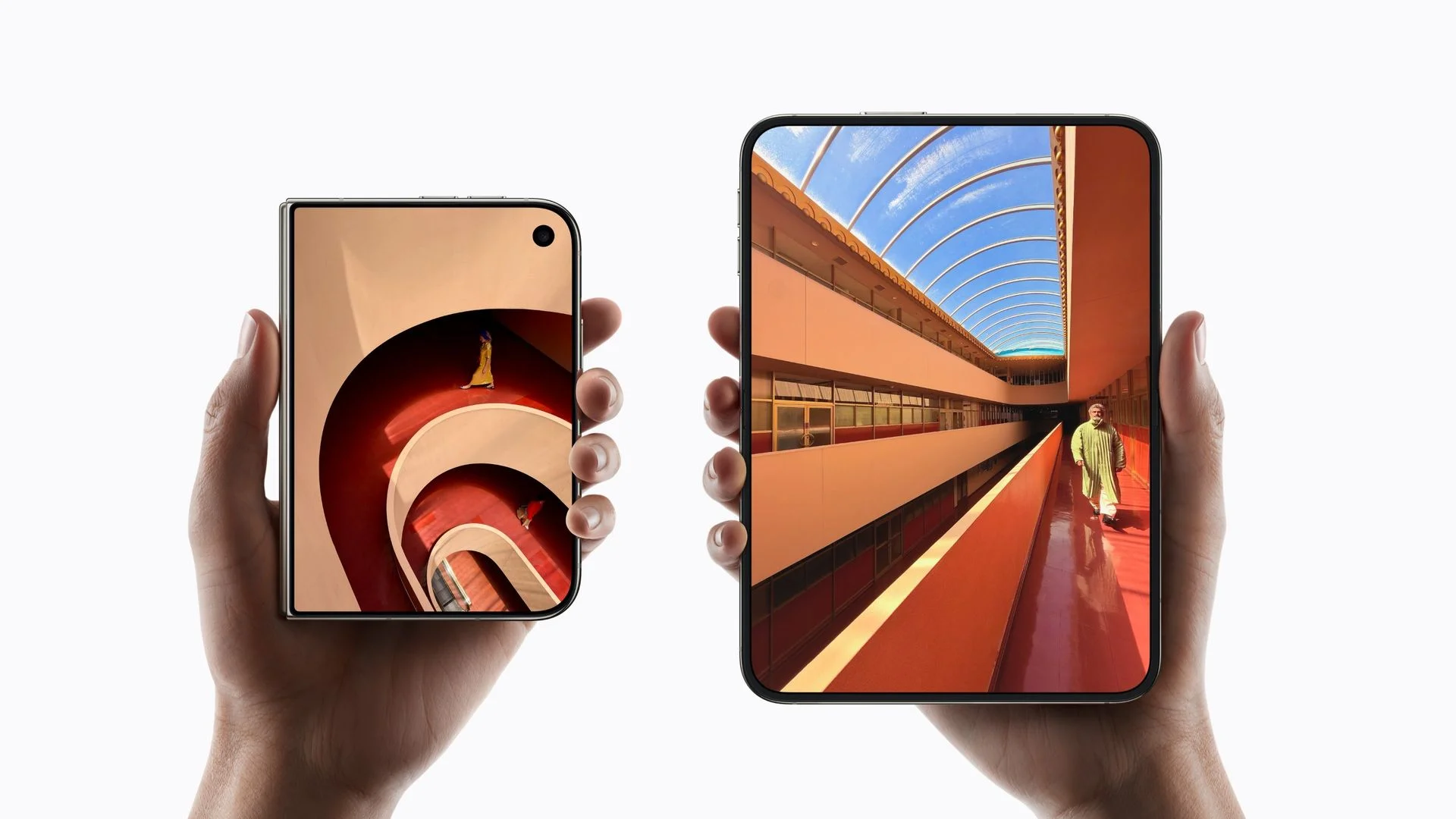
Another noteworthy feature is the iPhone Handoff, which allows simultaneous use of a single phone line across two iPhones. This feature works by loading the primary eSIM onto one device while a secondary eSIM can be utilized on a companion device. This caters to users juggling multiple devices, promoting convenience that some may find groundbreaking. The initial availability, currently limited to T-Mobile, indicates an industry trend toward better integration of eSIM technology. Android manufacturers might take cues from Apple and explore similar functionalities to enhance connectivity for users across devices.
Enhanced Software Experience
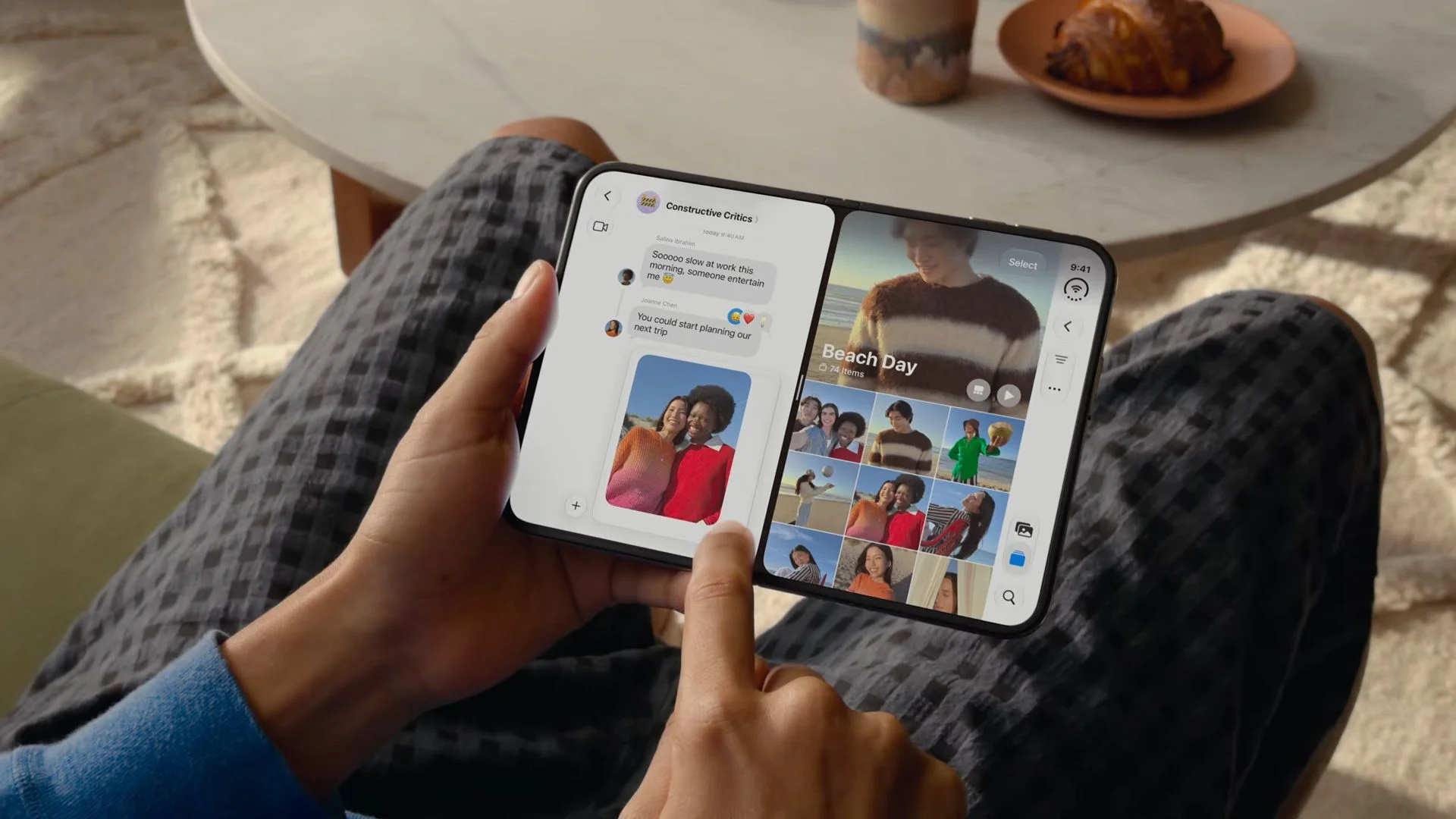
iOS 27 also brings a suite of enhancements specifically designed for the iPhone Duo. The way apps launch and transition between screens has been optimized for the foldable experience, creating a dynamic interface that aims to feel fluid. Transition animations, such as blurring and dissolving effects, contribute to a coherent user experience that feels polished. This level of attention to software design could influence Android manufacturers, nudging them toward improving their own foldable software experiences, ultimately benefiting users seeking a more intuitive interaction with foldable devices.
Honorable Mentions: IP68, Qi2, Pen Support, and Vapor Chamber
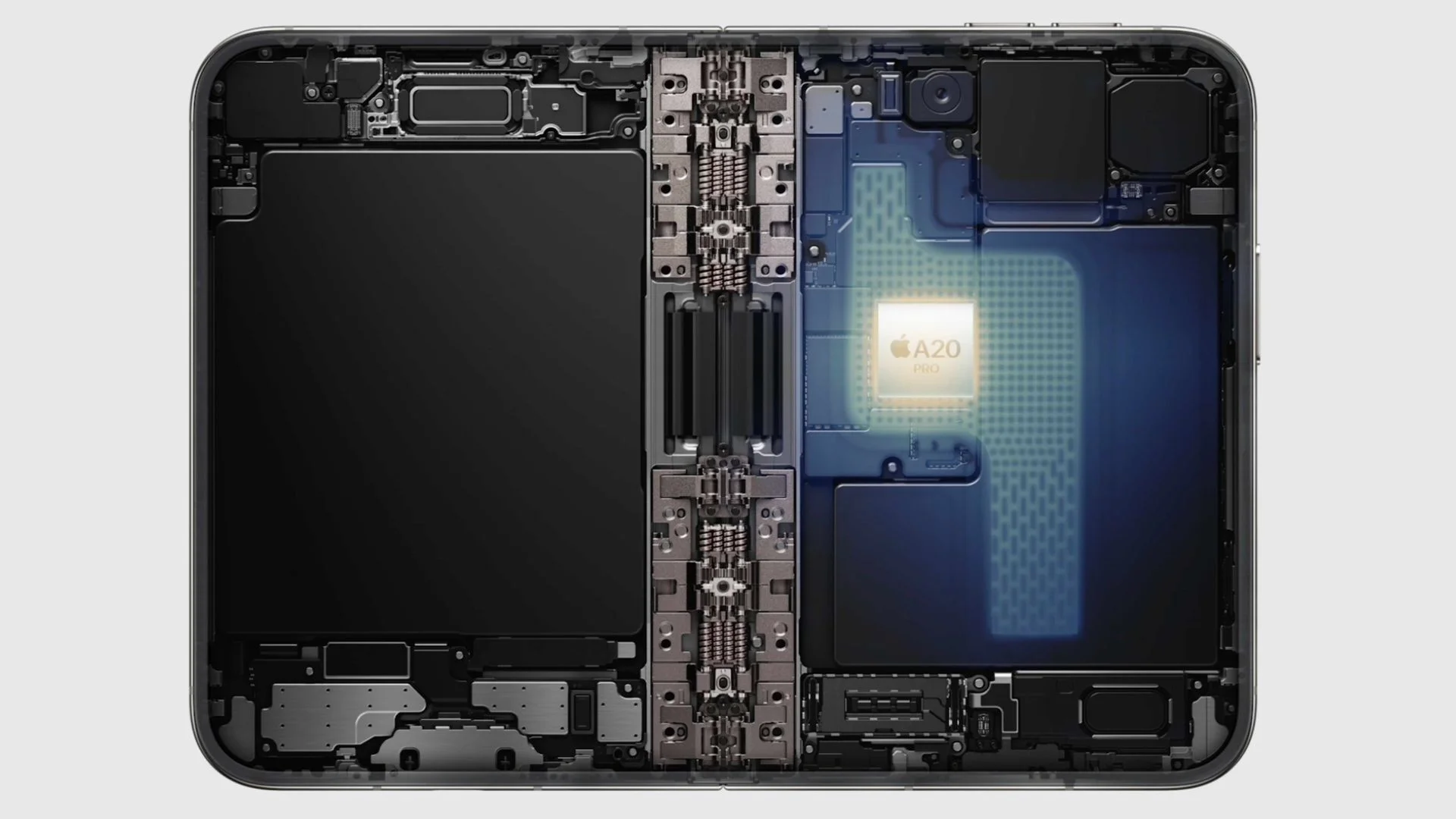
Several other noteworthy aspects of the iPhone Duo are scattered across various Android manufacturers but aren't consolidated in any single device. For instance, the phone supports IP68 water resistance, Qi2 charging, and compatible stylus input. It even incorporates a vapor chamber for better heat management. These elements often appear independently in Android devices, but rarely in a holistic package. The iPhone Duo presents a compelling case for what a high-end foldable can be. And this is the part most people overlook: the potential for Android devices to evolve by adopting similar features could drive competition in the foldable market.
Future Outlook and Implications
The introduction of the iPhone Duo raises intriguing questions about the future of foldable technology, both for Apple and its competitors. If Apple’s features resonate with users, it may force Android manufacturers to rethink their strategies. The competitive pressure could lead to rapid advancements in foldable technology across the board. Users, now more aware of what a high-end foldable should look like, will have increased expectations. For the consumer, this could mean better devices that offer a more engaging and practical user experience. Ultimately, Apple might be steering the ship toward a new era of mobile technology, but its influence will extend beyond its own ecosystem, pushing all companies to innovate to keep pace.

Discussion
Sign in to join the discussion.