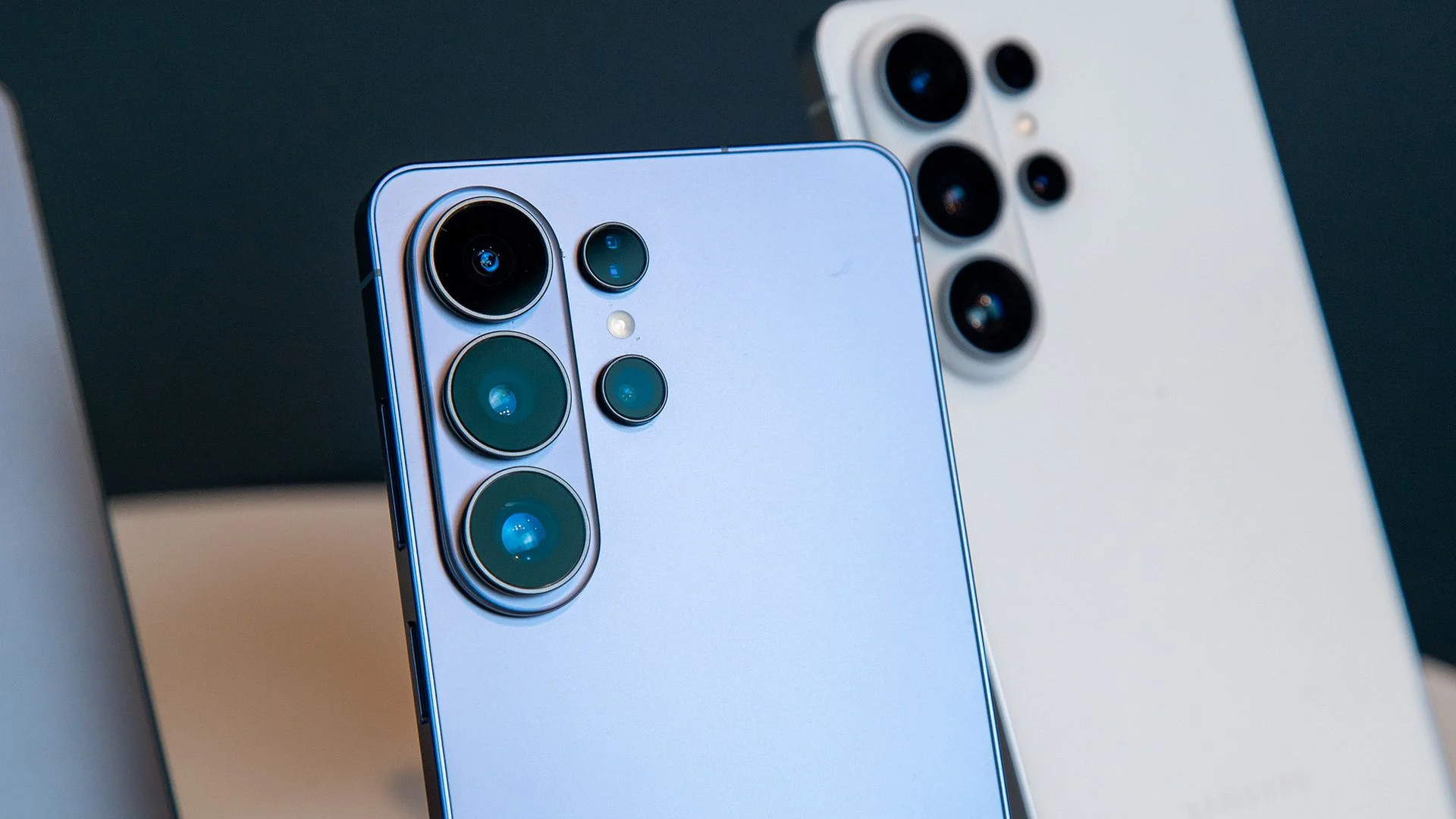
The Galaxy S27 Ultra may retain its 5x periscope telephoto camera, sidelining plans for a new 50MP 4x sensor, shifting telephoto strategy instead.
The Galaxy S27 Ultra Telephoto Update
Recent leaks indicate a potential shift in Samsung’s camera strategy for the Galaxy S27 Ultra. Initially, there were strong hints about a 50MP 4x telephoto lens backed by a large 1/1.9-inch sensor, designed to replace the current 3x and 5x telephoto units. However, new information suggests that this upgrade might not materialize. The stakes here are high, particularly given the competitive nature of the smartphone camera market, where each increment in zoom capability can influence consumer buying decisions.
Rumor Roundup
According to reliable tipster Ice Universe, the Galaxy S27 Ultra will stick with its traditional 5x periscope, featuring a 1/2.52-inch sensor similar to those found in previous models. This development points to Samsung possibly eliminating the dedicated 3x telephoto camera, allowing the 5x module to stand as the primary optical zoom solution. Retaining the existing technology might simplify manufacturing processes but raises questions about how Samsung intends to differentiate itself in a market where competitors are pushing the envelope with their camera setups.
Financial Implications
Samsung's choice to retain the 5x telephoto system appears to be rooted in practicality. Transitioning to a new 4x zoom setup would require significant investment in sensor design, optics, and overall production techniques. Given that the 5x system is already integrated into Samsung’s existing camera framework, the financial rationale for sticking with this configuration is clear. Plus, the higher optical reach of the 5x allows for better quality at magnifications like 10x and beyond, utilizing the 200MP main camera’s resolution effectively. This not only saves costs but also reduces the risks associated with deploying untested technology.
Camera upgrades can drive up manufacturing expenditures, and with the smartphone market facing slowing growth in some regions, manufacturers like Samsung are now more cautious about expenses. Balancing feature enhancements with cost efficiency is fundamental in a competitive arena, especially in the premium segment where marketing narratives heavily focus on camera prowess.
Sensor Size Scenarios
While the concept of adopting a 1/1.9-inch sensor for a 4x lens does present compelling advantages—such as improved low-light capabilities and enhanced dynamic range—the costs associated with its development may outweigh the benefits for Samsung at this stage. Enhancements in sensor size can improve image quality, a position that could elevate a device in consumer consciousness. However, introducing new technology mid-cycle can destabilize a product line and complicate the user experience.
Moreover, larger sensors can generate superior zoom results, particularly in challenging lighting conditions. Yet, if Samsung sticks with the 5x design, it will certainly simplify their developmental focus. (And this is the part most people overlook.) By prioritizing a familiar setup, Samsung can fine-tune its software enhancements and image processing algorithms to capitalize on existing hardware rather than investing in a risky transition. The approach reflects a thoughtful evaluation of market demand versus technological ambition.
Future Considerations
Samsung hasn’t finalized its approach, and the inclusion of multiple prototypes indicates that adjustments could be made before the official launch. The company faces a significant challenge: developing software that can compensate for the limitations of the 5x hardware if they choose to stick with it. Should they opt to drop the 3x camera entirely, it could be perceived merely as a reduction in specifications rather than a true enhancement of their lineup. This is a delicate balancing act—innovating while maintaining user trust is paramount.
What this means for you, the consumer, is a potential scenario where Samsung shifts focus away from outright camera specifications to software enhancements that optimize existing modules. There’s a chance that this strategy could blossom into something beneficial if Samsung successfully fine-tunes its image processing. On the flip side, if users expect a more substantial camera upgrade but find the same basic setup, it could lead to disillusionment and frustration. Samsung must tread carefully; every decision here could set a precedent for how future models are judged on performance metrics.
Implications and Future Outlook
The decision to potentially retain the 5x telephoto camera suggests a cautious approach amidst a challenging market. Samsung could face increased pressure if competitors successfully integrate more advanced camera technologies, reflecting a potential stagnation in innovation. While this steady approach minimizes financial risks, it risks falling behind in storytelling as a brand known for innovation.
Smartphone buyers are understandably skeptical—camera specifications often serve as a primary deciding factor for many. Samsung's ability to innovate within these constraints will be put to the test, and how well they communicate their strategy to the consumer will be critical. As options continue to diversify, a stable approach could alienate those constantly chasing the latest in mobile photography.

Discussion
Sign in to join the discussion.