AI & ML
Artificial intelligence and machine learning news

Streamlined Seed Germination Analysis with R: A Practical Approach
Explore a new framework and R packages that simplify the analysis of seed germination and emergence data for agricultural research.
Maximizing Insights from High-Dimensional Data: Upcoming R Workshop
Learn how to enhance data visualization techniques for high-dimensional datasets in an interactive workshop led by an expert statistician.
Enhancing Data Analysis: R and Excel Integration Through BERT's Recent Updates
BERT bridges R's advanced modeling with Excel's accessibility, now updated to support R 4.6, improving productivity for data professionals.

Recorded Future Unveils Automated Signature Creation to Enhance Vulnerability Management
Recorded Future's new Automated Signature Creation enhances real-time threat detection, enabling faster responses to AI-generated vulnerabilities.

Mastering R for SEO: Essential Techniques for Data Analysis and Reporting
Explore practical skills from our R for SEO series, culminating in a hands-on approach to creating SEO reports with R and Google Sheets.

Master Data Manipulation in Bioinformatics with Tidyomics' Slicing Functions
Learn how to use the `slice()` functions in tidyomics for effective data selection and exploration in bioinformatics. Enhance your R data analysis skills!
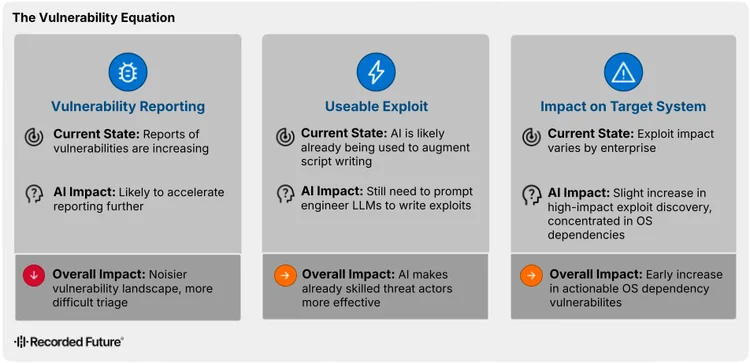
Evolving Malware Vulnerabilities: Trends and Threats in H1 2026
Malware tactics have shifted, relying more on legitimate tools and workflows, while AI-enabled threats add complexity to the vulnerability landscape.
Mastering Z-Tests in R: Effective Techniques for Statistical Analysis
Learn how to effectively perform one-sample and two-sample Z-tests in R, along with practical guidance on selecting the right test.

Mastering ROC-AUC: A Deeper Look into Binary Classification Model Evaluation
Explore the nuances of ROC-AUC, including its limitations and common pitfalls, to enhance your binary classification model evaluation.
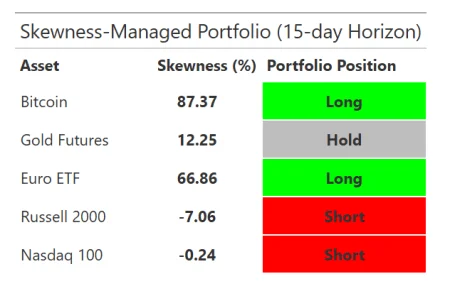
Harnessing Skewness for Enhanced Portfolio Performance in R
Discover how skewness can improve your portfolio strategy by identifying mispriced assets and optimizing returns using R.

Mastering Repeated Measures ANOVA: A Practical Guide for Analyzing Related Observations
Learn how repeated measures ANOVA effectively analyzes correlated data in studies, enhancing insights while addressing key assumptions and data structures.

Transforming Security Operations: The Shift Toward Autonomous Defense
The evolution of Security Operations Centers (SOCs) hinges on AI's role, focusing on measurable results and proactive defenses against emerging threats.
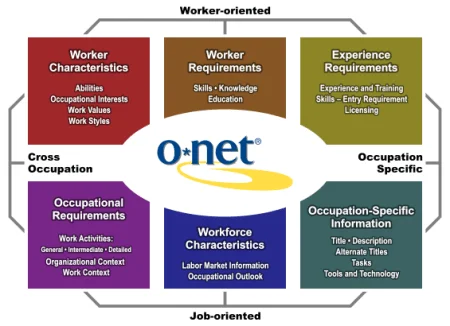
Harnessing Transferable Skills: A Framework for Occupational Transition in an Evolving Job Market
Explore how the O*NET framework enhances understanding of job transitions, emphasizing transferable skills amid changing industry dynamics.
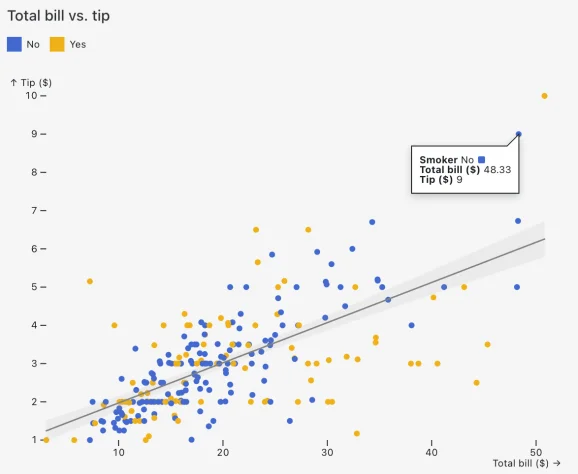
Streamlining Dashboard Development with Observable Framework
Observable Framework simplifies dashboard creation by producing static, fast-loading sites without a heavy backend process.

Recorded Future Unveils Advanced AI Alert Filtering to Optimize Threat Intelligence Management
Recorded Future introduces AI Alert Filtering, enhancing threat analysis by automating relevance-based filtering and reducing alert overload for analysts.

Unifying Threat Intelligence and Risk Ratings: Recorded Future's New Approach to Third-Party Risk Management
Recorded Future's latest features integrate threat intelligence and risk ratings to enhance third-party risk management, offering real-time insights for better decision-making.
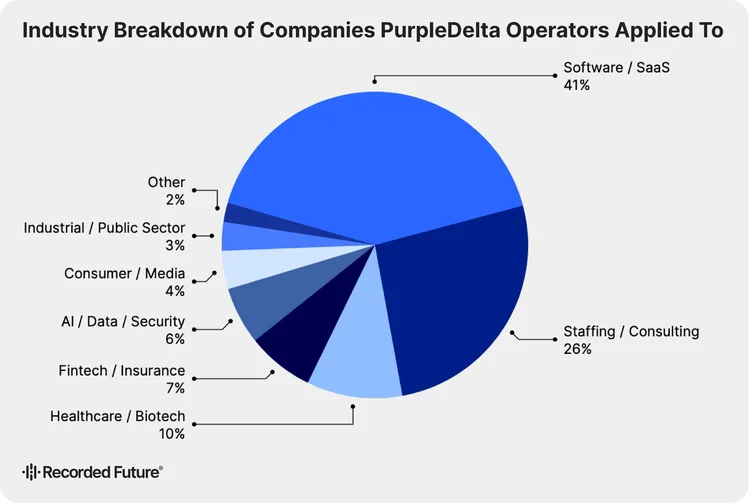
North Korean IT Workers' Employment Tactics Highlighting Global Security Risks
North Korean IT operatives persistently infiltrate global job markets, raising serious security concerns for firms hiring remote talent.

Navigating Cyber Threats: The Emerging Impact of AI on Offensive Tactics
AI is reshaping the tactics of cyber attackers, presenting new challenges for organizations in cybersecurity defenses and threat detection.

AI's Impact on Threat Intelligence: Strategies for Effective Defense
Organizations must adapt to AI's rapid evolution in threat intelligence to prioritize defenses, utilizing trusted automation and real-time decision-making.

Navigating the Evolving Threat Landscape: Understanding Modern Attack Vectors
Modern threat actors are adapting their methods, shifting focus from brute-force attacks to exploiting identities and vulnerabilities.